
JOURNAL
Stories of Herbal Wellness
Making Korean medicine accessible. We share insights to support your daily health.
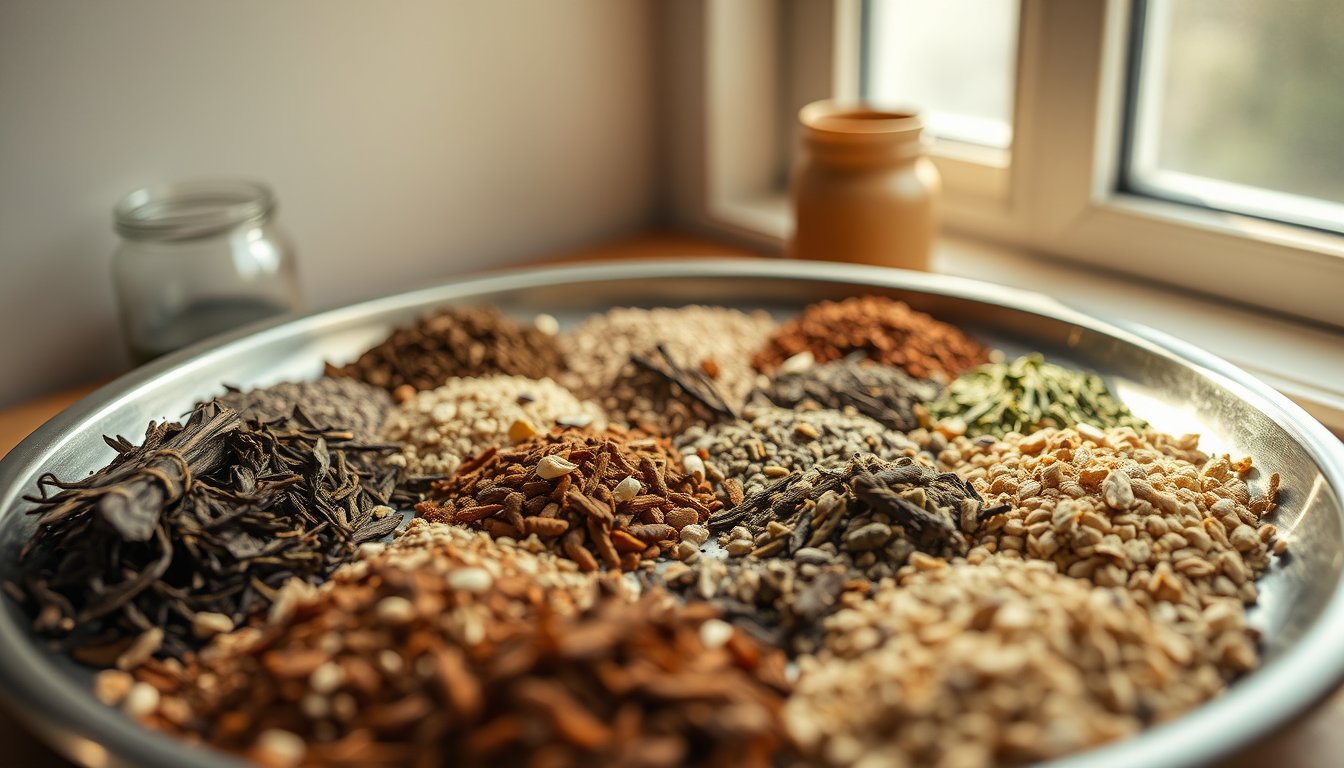
Korean herbal medicine quality: preparation and traceability
Ask how the prescription, preparation facility, ingredient records and supplied product connect when reviewing Korean herbal medicine quality.
Read more →
Maintaining weight loss: meals, activity and tracking habits
Build a realistic maintenance plan around everyday meals, movement and weight trends, including when to review the plan with your clinician.
Read more →
Sudden weight changes: body fat, fluid and swelling
Interpret short-term weight changes alongside swelling, measurement conditions and other symptoms instead of treating every increase as body fat.
Read more →
Weight-loss plateau: causes, duration and what to review
Review weight trends, eating, activity and sleep when weight loss stalls. Learn what a Korean medicine consultation can assess and what treatment cannot promise.
Read more →
Korean herbal weight management and appetite medicines
Compare assessment, ingredients, monitoring and treatment goals when discussing Korean herbal weight management and appetite medicines.
Read more →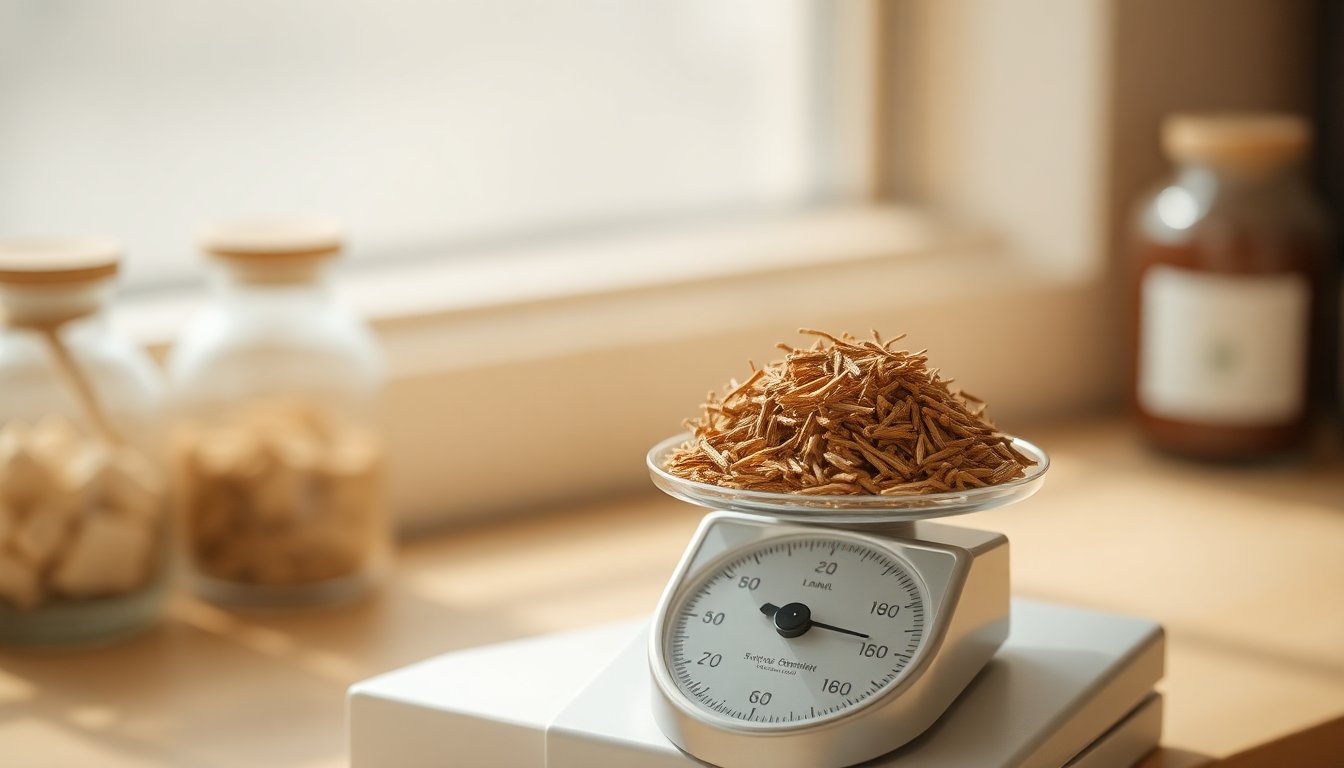
Ephedra and ephedrine: side effects and precautions
Check the exact preparation, current medicines and health conditions before considering ma-hwang. Learn why individual assessment and monitoring matter.
Read more →
Child growth concerns: records and questions for assessment
Bring growth measurements over time to a pediatric assessment. Review questions about nutrition, growth concerns and proposed Korean herbal products.
Read more →
Recurring period pain: treatment questions and follow-up
Prepare for an assessment of recurring period pain, compare treatment questions and discuss Korean medicine options without assuming a single cause.
Read more →
How Korean medicine assesses weight-management concerns
Learn how appetite, digestion, sleep and daily routines inform Korean medicine assessment, alongside safety checks and realistic treatment goals.
Read more →
Constipation and bloating: what to record and when to seek care
Start with bowel symptoms, food and medicine records. Learn which questions to bring to a consultation about persistent constipation and bloating.
Read more →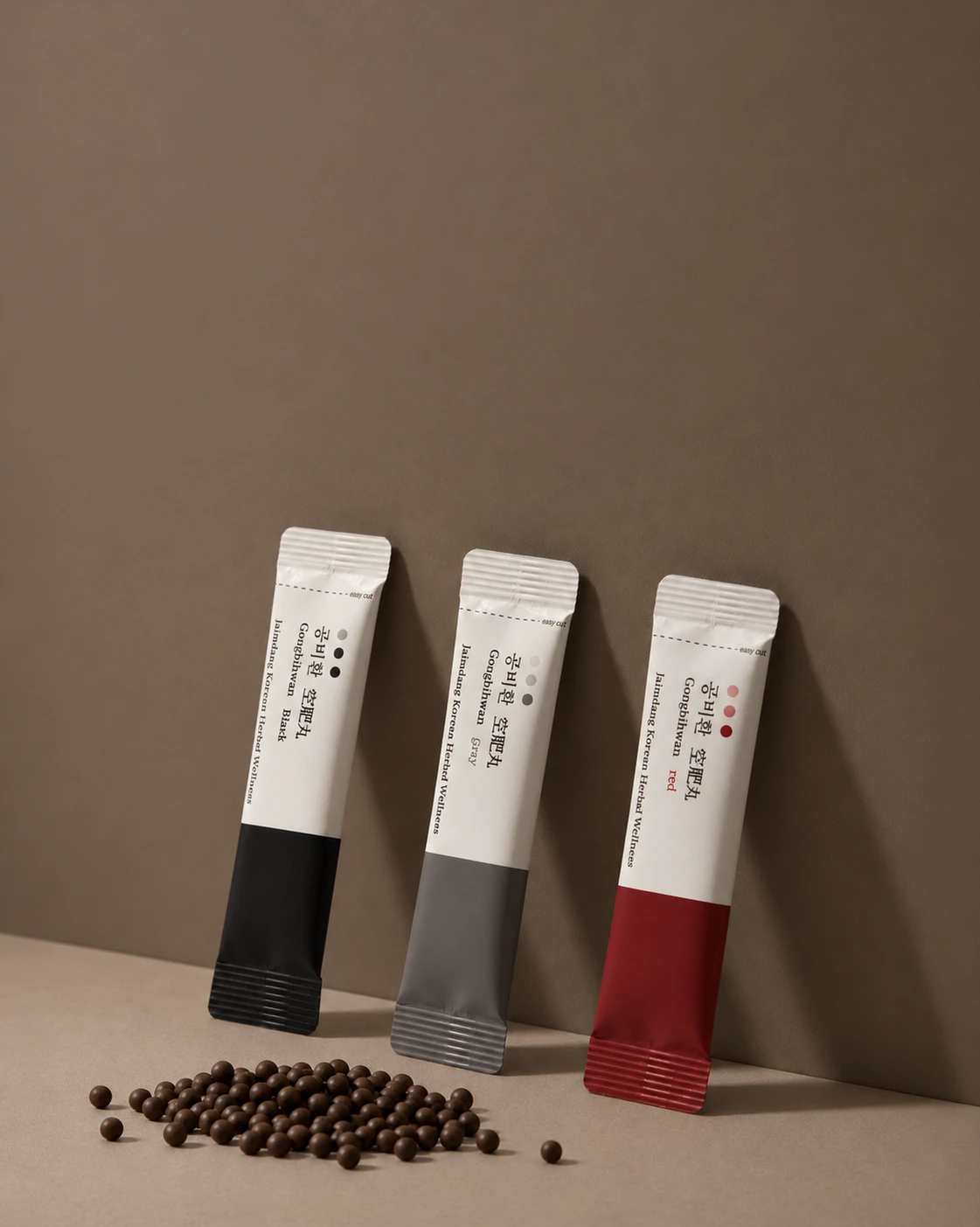
Gongbihwan and diet supplements: what is the difference?
Compare the questions to ask about a Korean herbal prescription and a diet supplement, including ingredients, supervision and individual suitability.
Read more →Cold hands and feet: daily habits and consultation questions
Record coldness, related symptoms and weight changes separately. Explore warming habits and questions for a Korean medicine assessment.
Read more →Menopause and weight changes: food, sleep and daily routines
Explore changes around menopause and practical ways to review meals, sleep and activity when discussing weight concerns with a clinician.
Read more →
Swollen legs in the evening: patterns and warning signs
Review the timing and pattern of leg swelling, daily routines and symptoms that need medical assessment rather than assuming a circulation problem.
Read more →Weight regain after dieting: what to review in your plan
Understand why weight regain deserves a review of routines and support. Prepare questions about maintaining progress without promises of permanent results.
Read more →Hunger and cravings: what to discuss in Korean medicine care
Distinguish hunger, cravings and loss-of-control eating. Record patterns and prepare questions before considering an appetite-related treatment.
Read more →Stress eating and emotional eating: understanding the pattern
Review hunger, tiredness, emotions and meal timing when eating follows stress. Learn when loss-of-control eating needs professional support.
Read more →Metabolism and weight changes: which habits should you review?
Review sleep, eating, activity and symptoms before assuming a slow metabolism. Prepare practical questions for a weight-management consultation.
Read more →