
Leg swelling in the evening: warning signs to check
The time of day alone cannot explain leg swelling. Note standing or sitting patterns, but seek assessment if swelling persists or worsens. Sudden painful swelling in one leg needs prompt care; associated breathlessness requires emergency help.
Contents
When medical attention comes first
Sudden painful swelling in one leg needs prompt medical assessment. Swelling with shortness of breath or difficulty breathing requires immediate emergency help. Do not delay care to collect more records or wait for an online appointment. Severe swelling, unexplained one-sided swelling, redness or heat also needs prompt medical advice.
Persistent or worsening swelling deserves assessment, even if it has happened before. A lasting dent after pressure can be described to a clinician, but does not let you diagnose the cause or grade its severity yourself.
Why a routine does not identify the cause
Prolonged sitting or standing and excess salt can contribute to swelling. Medicines and conditions affecting veins, the heart, kidneys or liver are among other possible causes. Morning facial swelling and evening leg swelling should not automatically be assigned the same explanation.
Cold drinks alone do not establish the cause of edema. Feeling cold may be discussed in traditional Korean medicine, but that observation is different from a medical diagnosis. Warm drinks or baths should not be presented as a way to treat every cause of swelling.
What to record for a consultation
Describe whether swelling affects one leg or both, when it starts and whether there is pain, redness or another change. Note prolonged sitting, standing or travel as context without declaring them the cause. A recurring pattern still deserves assessment if it changes or becomes troublesome.
| What to record | What not to assume |
|---|---|
| When swelling began, one or both legs, other affected areas and changes over time | That the time of day identifies the cause |
| Sitting, standing, travel, walking and work context | That posture explains every episode |
| Medicines, supplements and recent changes | That a natural product cannot contribute |
| Meal timing, salt, alcohol and drinks | That cold drinks caused it or that all fluid must be restricted |
| Pain, redness, heat or other skin changes | That these are ordinary signs of detoxification |
If you compare photographs, use similar lighting and position, and keep them private for the consultation. Images may help describe a change but cannot reliably determine its cause. Avoid repeatedly pressing the skin to assign yourself a severity grade.

Choose daily measures that fit your condition
If lifestyle measures are appropriate after assessment, discuss avoiding long periods in one position and gentle walking within your ability. Calf movements or heel raises are not a fixed prescription for everyone; there is no universal first-week sequence of drinks, exercise, meals and baths.
Review salt and alcohol intake, but do not automatically increase potassium-rich vegetables. People with kidney disease may need individual guidance on potassium and fluids. Follow your existing care plan and ask before replacing it with general advice.
Warm water, clothing choices or a bath may be preferences for comfort; they do not establish or treat the cause of edema. Warm soup can also contain salt. Discuss practical limits such as work breaks rather than trying to change every habit at once.
A clinician may recommend specific measures after assessment. Ask how to apply them and when to review progress. Do not start a diuretic or copy a compression or fluid-restriction plan from another person without knowing whether it is appropriate for you.

What does “Yisu” mean in traditional Korean medicine?
“Yisu” (利水), fluid imbalance and the traditional spleen–stomach framework are concepts used to discuss water-related symptoms. They are not direct measurements of organ function or proof that a treatment has a diuretic effect.
Korean medicine may discuss water metabolism through traditional concepts and ask about digestion, thirst, bowel habits and cold or heat sensations. Those observations can be recorded without treating the traditional label as proof of a specific organ problem. Ask how the practitioner distinguishes an explanatory framework from conditions requiring other investigation.
Frequently Asked Questions
Should I drink less water?
Swelling alone does not tell you to increase or restrict fluids. Check whether you have an individual fluid plan, especially if you have kidney disease. Drink temperature does not replace that assessment.
Does less swelling mean I lost body fat? Not necessarily. Changes in fluid and changes in body fat are different, and the scale does not distinguish them by itself.
What should I bring to a routine appointment? A short timeline, the areas affected and a complete medicine list are more useful than a confident self-diagnosis.
Can I ask about swelling online?
You can enquire about a routine consultation, but an online discussion cannot replace every examination or investigation. Urgent symptoms should not wait for an appointment.
References
- NHS: Swollen ankles, feet and legs (oedema)
- NIDDK: Healthy Eating for Adults with Chronic Kidney Disease
Product and clinic information
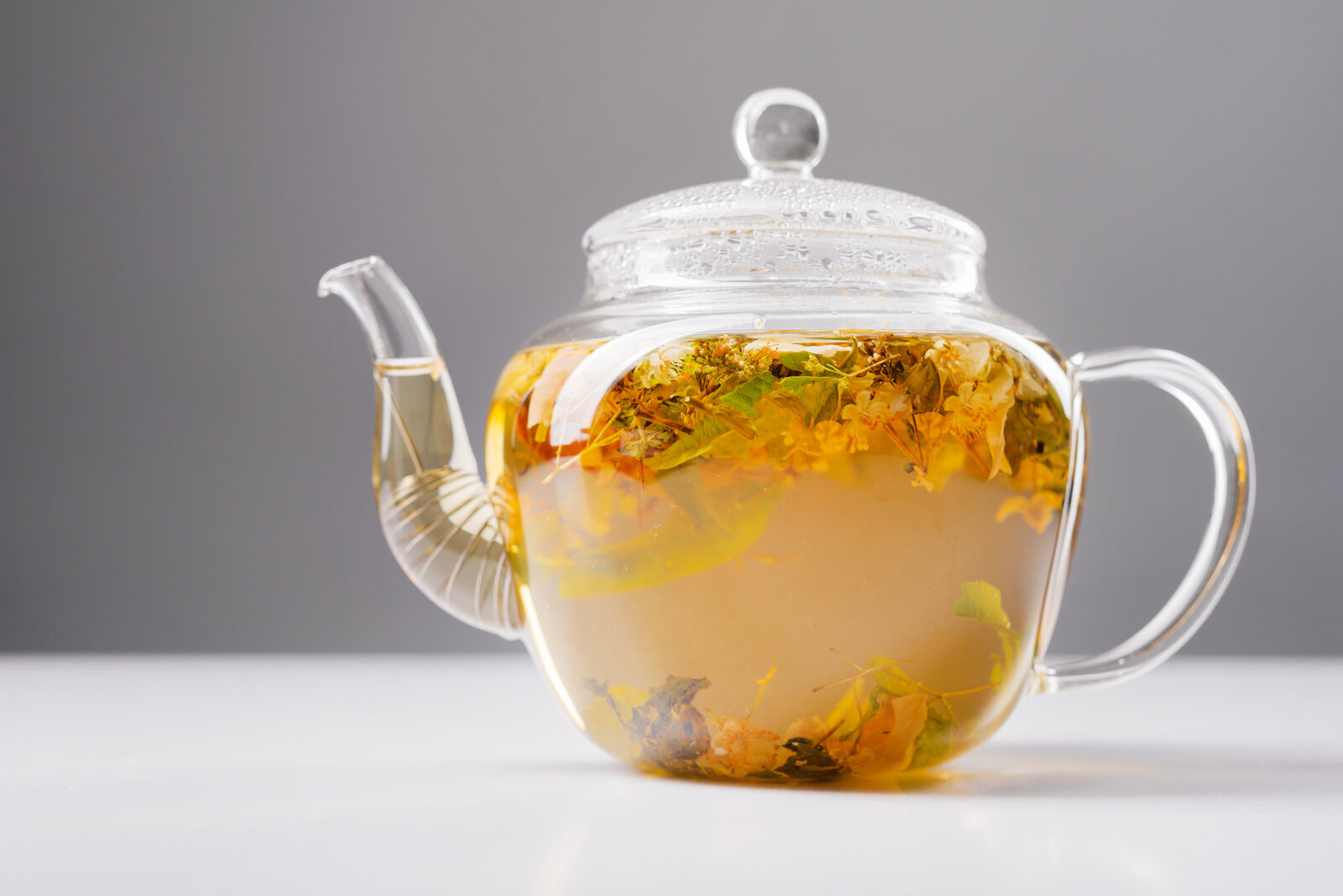
Gongmi Tea (空美茶) is described by the clinic as a food product made with 11 traditional ingredients. Being a food does not establish that it treats edema or suits everyone. Product information is available in the lineup; do not use tea to delay assessment of persistent or worsening swelling.
The clinic describes JAIMDANG as established in 2015, with over 10 years of clinical experience and care and prescriptions provided by a doctor of traditional Korean medicine. Its stated quality controls include HPLC measurement of marker compounds, standard decoction processes and full lot tracking. These institutional details do not establish the cause of an individual’s swelling or guarantee treatment results.
jaimdang Korean Herbal Care
Online consultation and prescriptions tailored to your constitution.
View products