Where My Hanbang Medicine Is Made — External Herbal Dispensing Facilities and Hanbang Medicine Quality
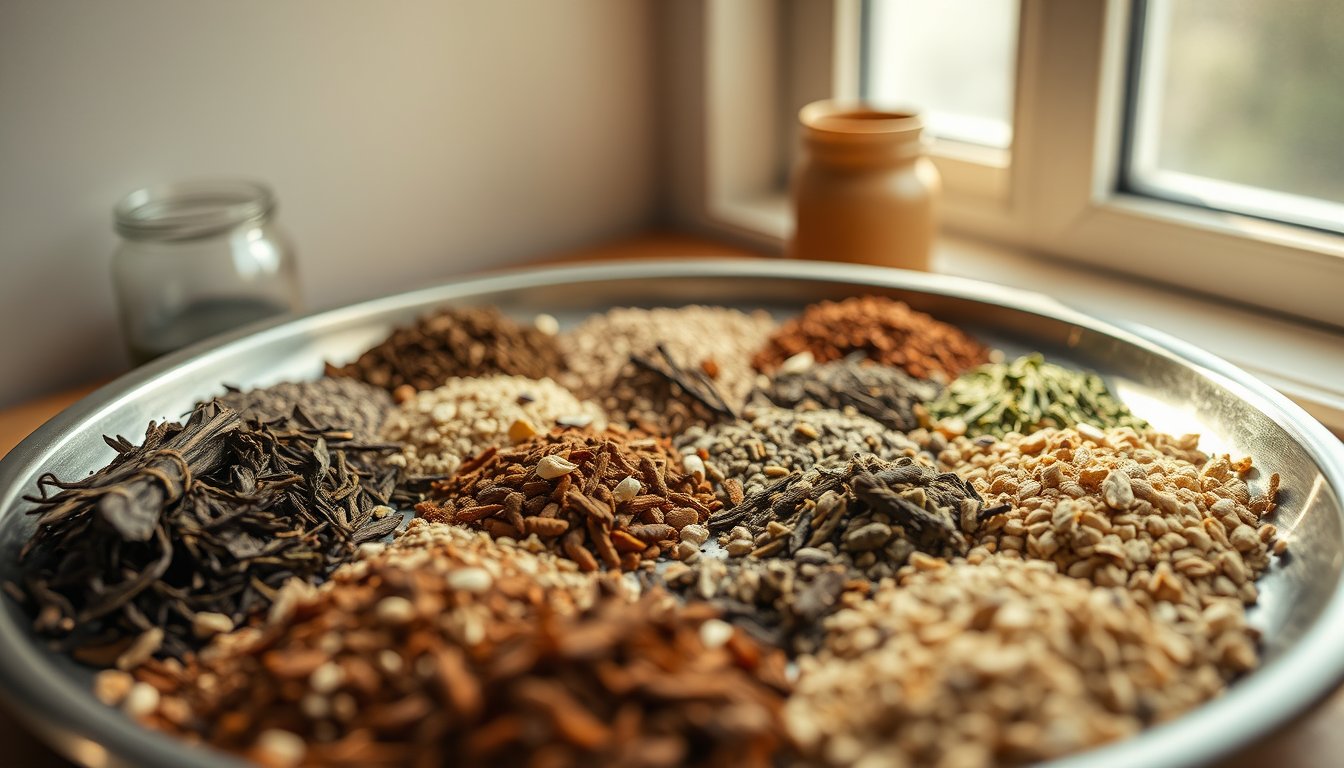
When you receive a prescription for Hanbang medicine, the medicine arrives at your home in pouches a few days later. However, what happened in between is largely unseen. What herbs were used, where they were decocted, who checked what. For something consumed daily, there is too little information.
This article aims to fill those gaps. First, we will outline the legal structure of how Hanbang medicine is made in Korea, and then reveal the actual steps jaimdang's Hanbang medicine goes through.
What is an External Herbal Dispensing Facility?
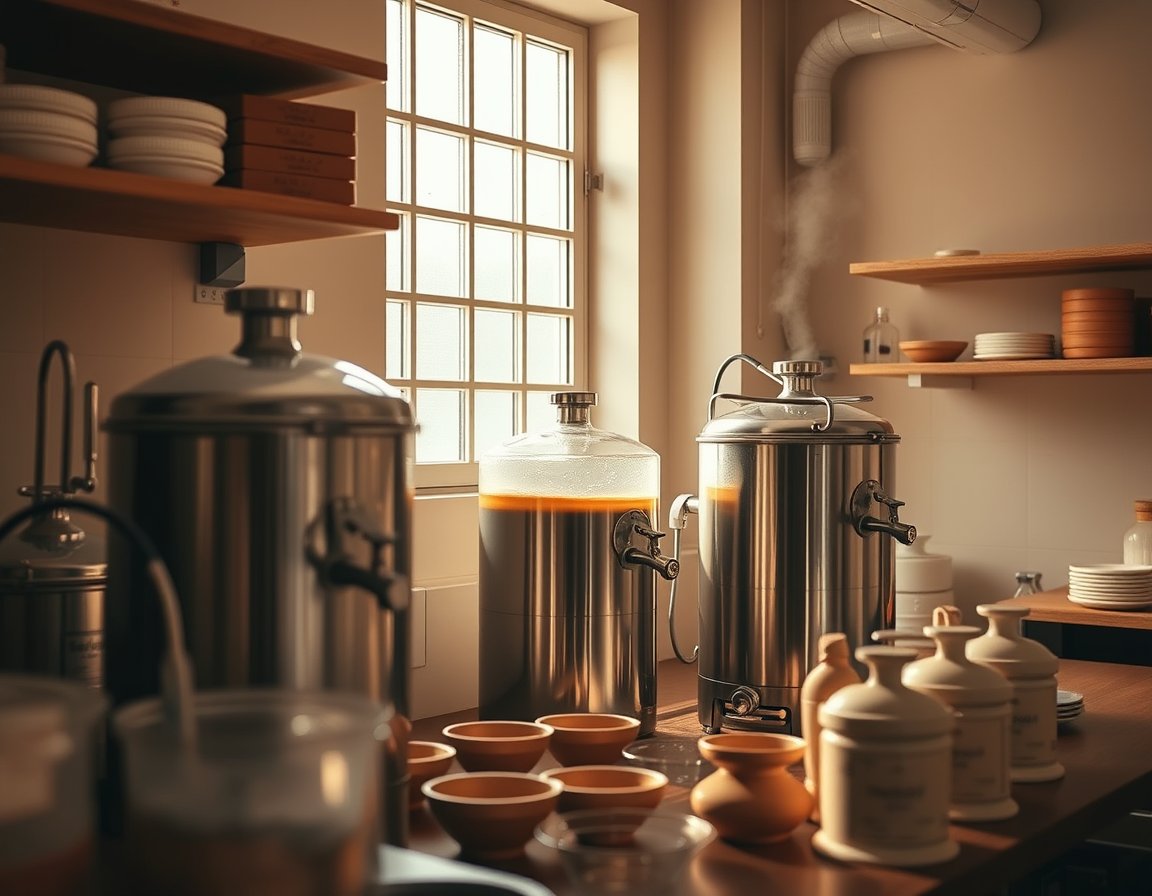
A Tangjeonsil (湯煎室) is a place where Hanbang medicine is decocted. If it's inside a Korean medicine clinic, it's an in-clinic dispensing facility; if it's separately equipped outside a clinic and prepares prescriptions from multiple clinics, it's an external herbal dispensing facility.
The reason external herbal dispensing facilities emerged is simple. In a small dispensing facility next to a clinic's examination room, no matter how much care is taken, it's difficult to measure and control temperature, time, and pressure, leading to subtle differences between batches. Conversely, a separate facility dedicated solely to preparation can be equipped with specialized equipment and standardize processes through documentation. However, this comes with the anxiety that "my medicine is not being decocted right before my eyes." Therefore, these facilities are subject to stronger verification mechanisms than others.
The National Minimum Standard — Standard Products and GMP
The quality of Hanbang medicine is largely determined even before decoction, at the stage of purchasing the herbs.
From January 1, 2015, herbal medicine GMP (Good Manufacturing Practice for Pharmaceuticals) became fully mandatory. Since then, Korean medicine institutions can only use standardized herbal medicines produced by GMP-certified manufacturers. At the time of implementation, the top 65 manufacturers accounted for 85% of the total herbal medicine supply.
Standardized herbal medicines are inspected according to the criteria of the 「대한민국약전」(the Korean Pharmacopoeia) and the 「대한민국약전외한약(생약)규격집」(Korean Herbal Medicine (Crude Drug) Standards Outside the Pharmacopoeia). Inspection items include heavy metals, and the general permissible limits are as follows:
- Lead (Pb) 5 mg/kg or less
- Arsenic (As) 3 mg/kg or less
- Cadmium (Cd) 0.3~1.0 mg/kg or less (differentiated by item)
- Mercury (Hg) 0.2 mg/kg or less
There is also public data on whether herbs in actual circulation adhere to these standards. In a 2023 study that analyzed 4,333 cases across 209 items of herbal medicines distributed in the Seoul area, there were 8 cases exceeding the lead standard, 22 cases exceeding the cadmium standard, and no cases exceeding the arsenic and mercury standards. The researchers evaluated that even when summing the hazard indices for cadmium, arsenic, and mercury, the total was 100% or less, indicating that the risk from consuming herbal medicines is at a safe level.
In other words, the standardized product system is not a perfect guarantee but a minimum standard. What a facility adds on top of that remains.
Certified External Herbal Dispensing Facility System
The mechanism built upon this minimum standard is the External Herbal Dispensing Facility Evaluation and Certification System. This is a voluntary application system implemented by the Ministry of Health and Welfare and the Korea Institute of Oriental Medicine Development (한약진흥재단) since September 2018, which reviews facilities, preparation, and overall quality management item by item.
- External herbal dispensing facilities for general Hanbang medicine preparation: 139 criteria items
- External herbal dispensing facilities for pharmacopuncture preparation: 218 criteria items
Certification is issued only upon meeting all regular items, and the validity period is 3 years, during which self-inspections and on-site inspections continue. A list of certified facilities is made public, allowing patients and Korean medicine clinics to verify directly.
There is a specific reason for listing these numbers. The number of items, 139 and 218, signifies that "decocting Hanbang medicine well" is not a matter of intuition but a checklist issue.
However, there is one easily misunderstood aspect. This certification is not mandatory but a voluntary application system. A facility not on the certified list does not automatically mean it fails to meet standards, nor does a single certification mark guarantee everything. Ultimately, the remaining question is the same — what does the facility record, and can those records be traced back?
The 5 Steps of jaimdang Hanbang Medicine Production
jaimdang's Hanbang medicine is prepared at an external herbal dispensing facility in Paju, Gyeonggi Province. The process consists of five steps:
- Raw Material Inspection — After receiving standardized herbs, marker components are quantified using HPLC to confirm compliance with 「대한민국약전」(the Korean Pharmacopoeia) standards. Heavy metals and residual pesticides are also self-inspected.
- Prescription Preparation — Herbs are precisely weighed according to jaimdang's own prescriptions, and weighing values and operators are recorded throughout the entire process.
- Standard Decoction — Decoction is performed using a standard process that controls temperature, time, and pressure. Since it does not rely on human touch, the same conditions are reproduced even if the batch changes.
- Quality Inspection — Appearance, organoleptic properties, microorganisms, etc., are checked for each batch, and records are kept.
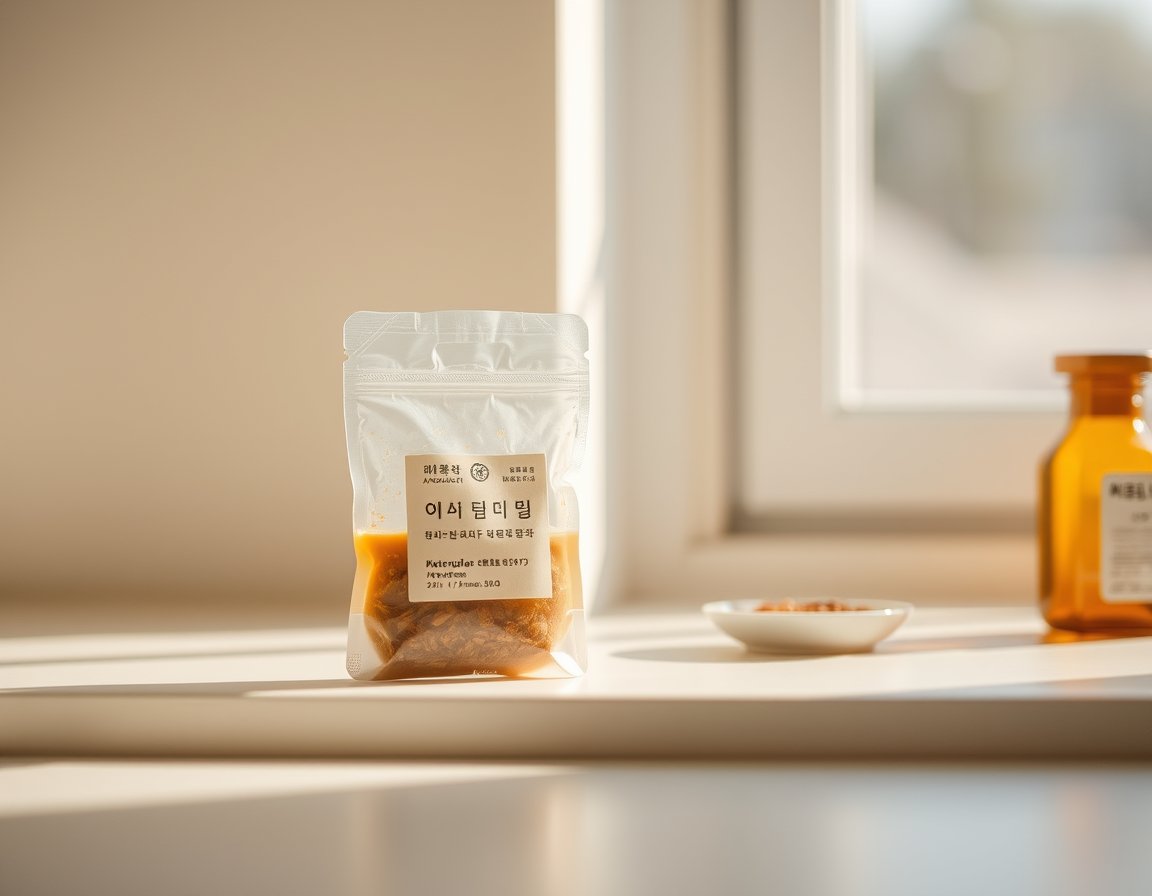
- Packaging and Delivery — Packaged into convenient stick pouches for portability, and a lot number is assigned to allow tracing back all four preceding steps.
Why Go to Such Lengths?
Hanbang medicine is not something consumed for just a day or two. It enters the body daily for several months. For such a period, merely saying "good herbs were used" is insufficient; the question that remains is, can that claim be verified later?
Therefore, jaimdang stores tamper-proof electronic records for 10 years. A single lot number printed on the pouch allows tracing back which herbs passed which inspections and under what conditions they were decocted. This is because trust is seen not as a promise, but as traceability.
The prescription itself is a separate axis. jaimdang's prescriptions are directly formulated by jaimdang according to the Junsinjwasa (君臣佐使) principle, and the standard process of the external herbal dispensing facility is responsible for consistently reproducing that prescription with the same quality. It is a structure where the clinic is responsible for the prescription, and the facility is responsible for reproducibility.
Things to Check When Receiving Hanbang Medicine
Regardless of which Korean medicine clinic you receive a prescription from, the following four questions can and should be asked:
- Where is this Hanbang medicine prepared — Is it in-clinic or an external herbal dispensing facility?
- Are the herbs used GMP standard products, and are there raw material inspection records?
- Are the decoction temperature and time controlled by a standard process, or do they vary each time?
- Is there a lot number on the pouch, and how far can it be traced if a problem occurs?
It is normal for all four questions to have answers. If there's a hesitation in answering, it's advisable to double-check the reason.
References
- Ministry of Health and Welfare·Korea Institute of Oriental Medicine Development (한약진흥재단), Implementation of External Herbal Dispensing Facility Evaluation and Certification System (2018)
- Ministry of Health and Welfare, Establishment of 2nd Cycle Certification Standards for External Herbal Dispensing Facilities
- Akomnews (한의신문), Only 'Herbal Medicines' from GMP Certified Manufacturers Must Be Used from Next Year — Full mandatory implementation of herbal medicine GMP (Jan. 1, 2015)
- Seoul Metropolitan Government Health and Environment Research Institute (서울특별시보건환경연구원), 「서울지역 유통한약재의 중금속 함량 및 위해성 평가」(Heavy Metal Content and Risk Assessment of Herbal Medicines Distributed in Seoul), 『분석과학』(Analytical Science & Technology), 2023
- Ministry of Food and Drug Safety (식품의약품안전처), 「대한민국약전」(the Korean Pharmacopoeia) and 「대한민국약전외한약(생약)규격집」(Korean Herbal Medicine (Crude Drug) Standards Outside the Pharmacopoeia)
*This article aims to provide information on the manufacturing and quality control process of Hanbang medicine and does not guarantee the diagnosis or treatment efficacy for specific diseases. Hanbang medicine is predicated on diagnosis and prescription by a Korean medicine doctor, and individual responses to consumption may vary.*
jaimdang Korean Herbal Care
Online consultation and prescriptions tailored to your constitution.
View products