
What is Gongbihwan? Understanding Jaimdang Diet Hanyak
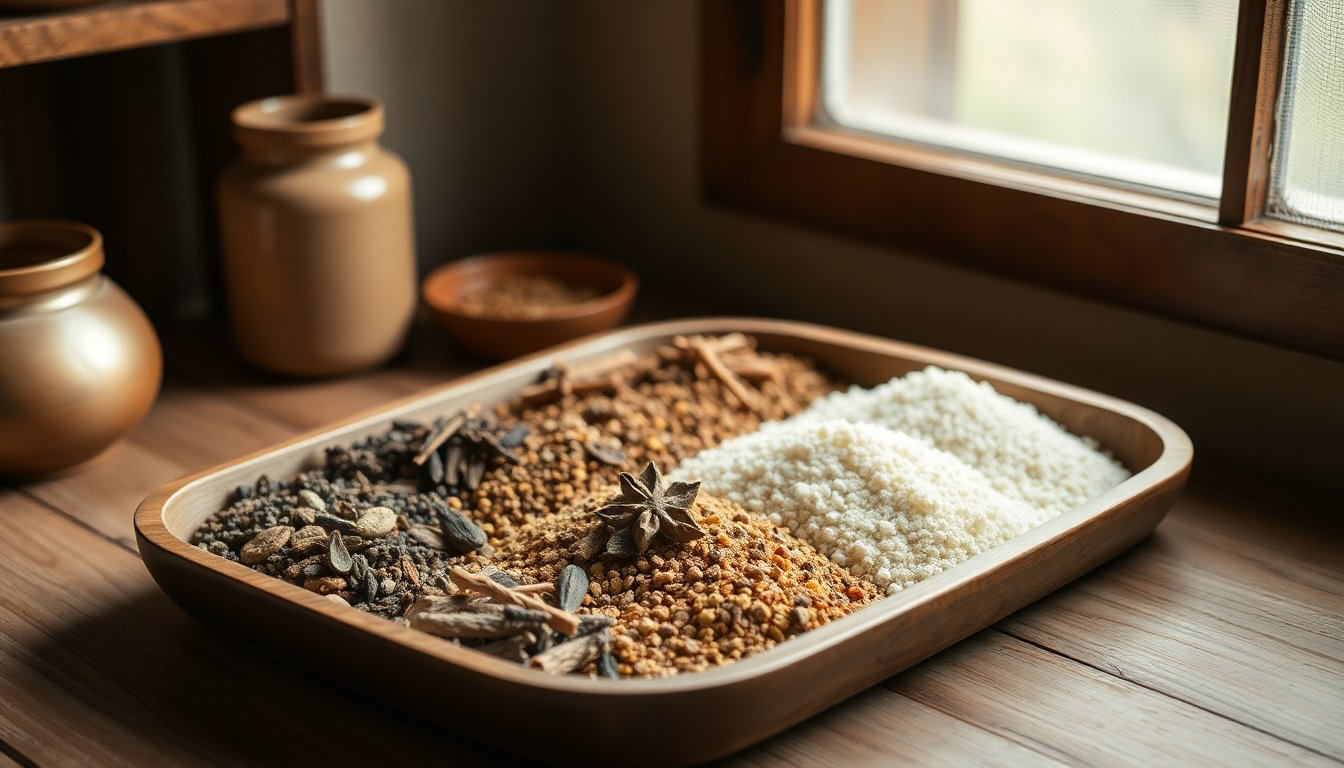
When researching diet Korean medicine, you will eventually encounter the name 'Gongbihwan'. However, most search results are promotional texts. It is rarely explained what type of prescription this medicine is, whether anyone can take it, or how it differs from over-the-counter diet supplements.
Korean medicine is a pharmaceutical product with defined ingredients and target conditions. Therefore, there are things to know before its name. These include how Korean medicine views obesity, what position Gongbihwan holds within that framework, and what must precede receiving this medicine. This article is organized in that order.
Korean Medicine Does Not View Obesity as a Single Condition
According to the Korea Disease Control and Prevention Agency's (KDCA) National Health and Nutrition Examination Survey, the prevalence of obesity (BMI ≥ 25 kg/m², age-standardized) among adults aged 19 and over was 37.2% in 2023. The gap is significant, with 45.6% for men and 27.8% for women. For men, it increased approximately 1.8 times from 25.1% in 1998, while for women, it fluctuated between 25-28% during the same period. However, this figure does not directly represent the number of people who "need to take medication." The Korean Society for the Study of Obesity's 2022 revised clinical practice guidelines for obesity define the goal of treatment not as weight loss itself, but as reducing the risk of obesity-related diseases and improving overall health, and state that diet, exercise, and behavioral therapy are the foundation of obesity treatment, with medication or surgery being the next steps.
Korean medicine is not outside this structure. It is more accurate to view it not as a substitute for lifestyle management, but as a treatment method built upon the premise of lifestyle management. Furthermore, Korean medicine adds another layer. It does not group obesity as a single condition but categorizes it into different types.
The Korean Society for the Study of Obesity and Hanbang (한방비만학회) released a revised edition of the 「비만 한의표준임상진료지침」(Korean Medicine Standard Clinical Practice Guidelines for Obesity) in July 2024. This document was re-created based on the 2016 first edition, applying the GRADE methodology, an international standard for assessing evidence levels and recommendation grades.
In these guidelines, obesity is not a single condition but is divided into several categories. Excess patterns (實證) include dampness (濕), phlegm (痰), blood stasis (瘀血), spleen and stomach heat accumulation (脾胃積熱), and accumulation (積聚), while deficiency patterns (虛證) include Qi deficiency (氣虛), spleen deficiency (脾虛), and Yang deficiency (陽虛). In addition to overeating and lack of activity, genetic, psychological, and socioeconomic factors are also listed as causes.
This is where the concepts of constitution (체질) and pattern identification (변증) come into play. Even with the same Body Mass Index, a person who swells easily and feels heavy will be classified differently from someone who easily gets hot and has difficulty controlling their appetite, and the direction of their prescription will also differ. This is why consultations and pulse diagnoses take time, and why taking medicine that someone else found effective may not be suitable for you.
What Type of Prescription is Gongbihwan?
Gongbihwan is a prescription formulated independently by Jaimdang Korean Medicine Clinic. This means it is not a widely known standard prescription, but rather a proprietary formula where herbs are arranged according to the Gunsinjwasa (君臣佐使) principle, which is a fundamental principle of Korean medicine prescription composition.
Gunsinjwasa is a method of assigning specific roles to each herb. It is divided into the sovereign herb (君藥) that sets the main direction, the minister herb (臣藥) that assists its action, the assistant herb (佐藥) that mitigates imbalances, and the envoy herb (使藥) that harmonizes and guides the overall formula. This compositional method is not merely confined to the realm of experience. A study published by Professor Sang Yup Lee's team at KAIST in the March 2015 issue of 『Nature Biotechnology』 analyzed the structural similarity between Korean medicine-derived compounds and human metabolites, identifying 38 pairs of compound combinations with synergistic effects and their mechanisms of action. This data demonstrates that the method of using multiple herbs together is not an arbitrary mixture but an analyzable structure.
Gongbihwan is not limited to a single composition. There is the main line, Gongbihwan, a lighter starting option, Gongbihwan Light, and Gongbihwan B·Y·S (morning·day·evening), which are divided according to the time of day. Which option is suitable is not a self-selected item but is determined during a medical consultation.
Prescriptions Containing Ephedra Require Prior Consultation
Korean medicine prescriptions for diet purposes often contain Ephedra (麻黃)-based herbs, and Gongbihwan is one such example. The main active components of Ephedra are ephedrine alkaloids, which stimulate the sympathetic nervous system.
The review 「비만 치료에서 마황 및 에페드린의 유효성, 안전성에 대한 고찰」(A Review on the Efficacy and Safety of Ephedra and Ephedrine in Obesity Treatment) published in 『대한한의학회지』(Journal of Korean Medicine) Vol. 38, No. 3 (2017) examined 16 randomized controlled trials. The ephedrine dosages used in these studies ranged from 20 to 90 mg per day, and the study periods were generally 2 to 6 months, with caffeine often used concurrently. The paper identifies days 2-3 and week 2 of administration as the periods when adverse reactions appear or subside, and concludes that in actual clinical practice, prescriptions must be made after carefully checking the patient's age, medical history, genetic history, medications being taken, and consumption of foods that can amplify sympathetic nervous system activation, such as caffeine.
This sentence outlines the procedure. There are no steps that can be skipped without a consultation for prescriptions containing Ephedra. Blood pressure, heart disease, thyroid disease, antidepressants or cold medicines being taken, and pregnancy/lactation status are all factors that determine whether a prescription is possible. Detailed precautions are separately organized in [Precautions Before Taking Diet Hanyak](/en/journal/diet-hanyak-precautions).
The Place Where Prescriptions Are Made with Consistent Quality Every Time
Even after a prescription is determined, a remaining question is whether that prescription will be made with the same quality this month and next month.
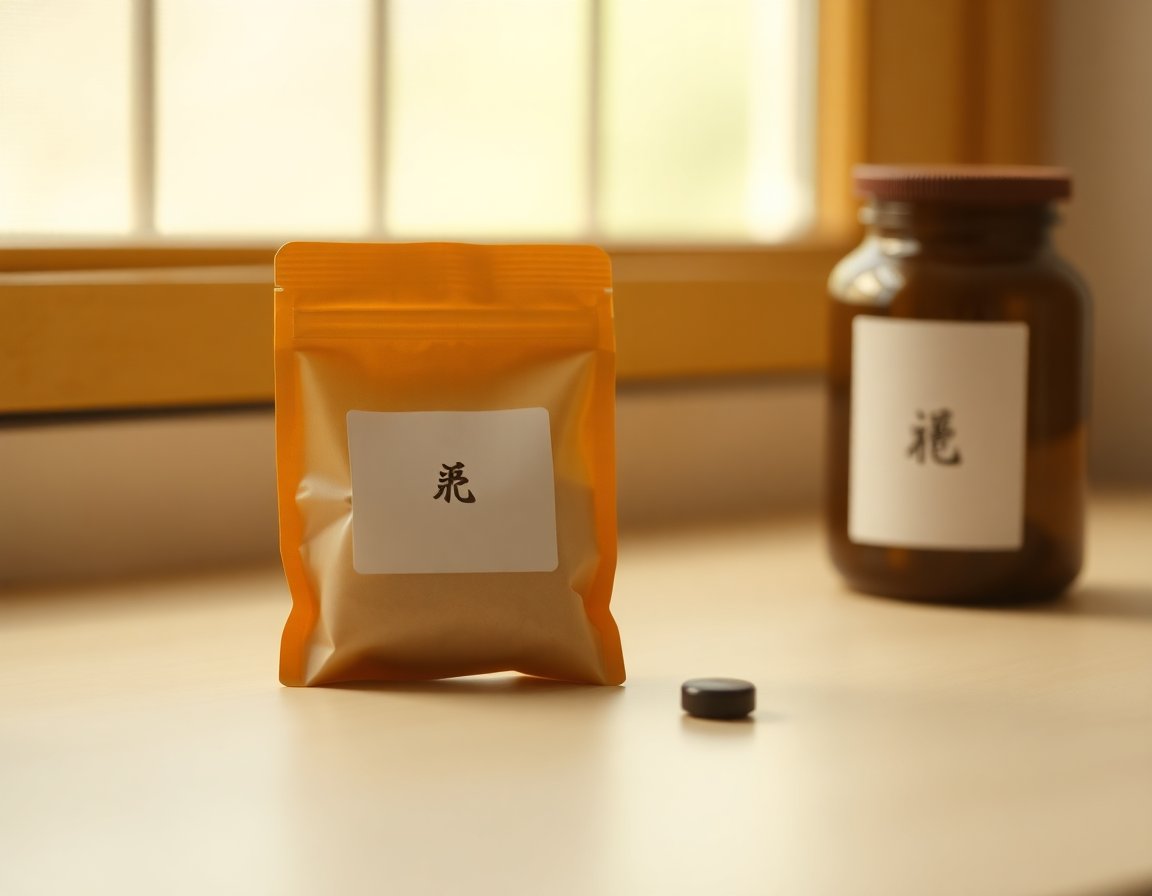
Jaimdang's Korean medicine is prepared at an external herbal dispensary in Paju, Gyeonggi-do. An external herbal dispensary is a facility separately established outside of a Korean medicine clinic, dedicated solely to preparing Korean medicine. While it is difficult to measure and control temperature, time, and pressure in a small space next to a consultation room, a facility dedicated solely to preparation can standardize processes with equipment and documentation.
The following tasks are carried out here: Standardized herbal medicines produced by GMP-certified manufacturers are received, their marker compounds are quantified by HPLC, and checked against the standards of 「대한민국약전」(the Korean Pharmacopoeia). Heavy metals and residual pesticides undergo self-inspection. Herbs are precisely weighed according to the proprietary prescription, with weighing values and operators recorded, and then decocted using a standard decoction process with controlled temperature, time, and pressure. Quality control is performed for each batch, and after packaging into stick pouches, a lot number is assigned to allow traceability of previous steps. Electronic records are stored for 10 years. The overall preparation structure is detailed further in [External Herbal Dispensary and Korean Medicine Quality](/en/journal/wonoe-tangjeon-quality).
Duration of Administration and Discontinuation Criteria are Determined at the Time of Prescription
In the aforementioned review from the Journal of Korean Medicine, clinical trial periods ranged from 2 to 6 months. When considered alongside the Korean Society for the Study of Obesity's guidelines, which recommend at least 6 months for behavioral therapy and over 1 year for maintenance, taking Korean medicine is more akin to being one segment within the overall management period. The core of the plan becomes "what changes will be made concurrently during that period" rather than "how long will it be taken."
It is better to establish discontinuation criteria at the outset. Agreeing with the Korean medicine doctor at the time of prescription on when to contact them if sleepless nights persist for several days, or at what level of palpitations to stop taking the medicine, will prevent wavering in judgment. Self-reducing or increasing the dosage is not recommended. If symptoms such as chest pain, fainting, severe headache, or weakness in one limb occur, the emergency room should be contacted before the Korean medicine clinic.
Four Things to Check When Considering Diet Korean Medicine
- Is it prescribed after a Korean medicine doctor's consultation? — If it's a system where you choose it like a product without a consultation, there's no step to screen for contraindications and precautions for Ephedra-based herbs.
- Have you received an explanation of how you were classified? — Check if you receive an explanation of whether it's an excess or deficiency pattern, and why that particular composition is being used.
- Are records of the herbs and preparation kept? — These are items you can inquire about, including whether they are standardized products, marker compound testing, standard decoction, batch testing, and lot numbers.
- Have the duration and discontinuation criteria been jointly determined? — The duration of administration, re-evaluation points, and symptoms for stopping should be established at the time of prescription.
References
- Korea Disease Control and Prevention Agency (질병관리청), 「비만 유병률」(Obesity Prevalence) — National Health and Nutrition Examination Survey-based Indicator, e-National Indicators (2024 National Health Statistics)
- Korean Society for the Study of Obesity and Hanbang (한방비만학회), 「비만 한의표준임상진료지침」(Korean Medicine Standard Clinical Practice Guidelines for Obesity), National Korean Medicine Clinical Information Portal, 2024
- Kim K-K, et al., Evaluation and Treatment of Obesity and Its Comorbidities: 2022 Update of Clinical Practice Guidelines for Obesity by the Korean Society for the Study of Obesity, 『J Obes Metab Syndr』 32(1), 2023
- Cho G-W, et al., 「비만 치료에서 마황 및 에페드린의 유효성, 안전성에 대한 고찰 — RCT 연구를 중심으로」(A Review on the Efficacy and Safety of Ephedra and Ephedrine in Obesity Treatment — Focused on RCT Studies), 『대한한의학회지』(Journal of Korean Medicine) 38(3), 2017
- Kim HU, Ryu JY, Lee JO, Lee SY, A systems approach to traditional oriental medicine, 『Nature Biotechnology』 33(3):264–268, 2015
*This article aims to provide information on the approach to Korean medicine obesity treatment and the process of Korean medicine preparation and quality control, and does not guarantee the diagnosis or treatment efficacy for specific diseases. Korean medicine, including Gongbihwan, is a prescription medicine determined by a Korean medicine doctor's consultation and prescription, and individual responses to administration may vary.*
jaimdang Korean Herbal Care
Online consultation and prescriptions tailored to your constitution.
View products