
Diet Herbal Medicine and Meals: What to Reduce and What to Include?
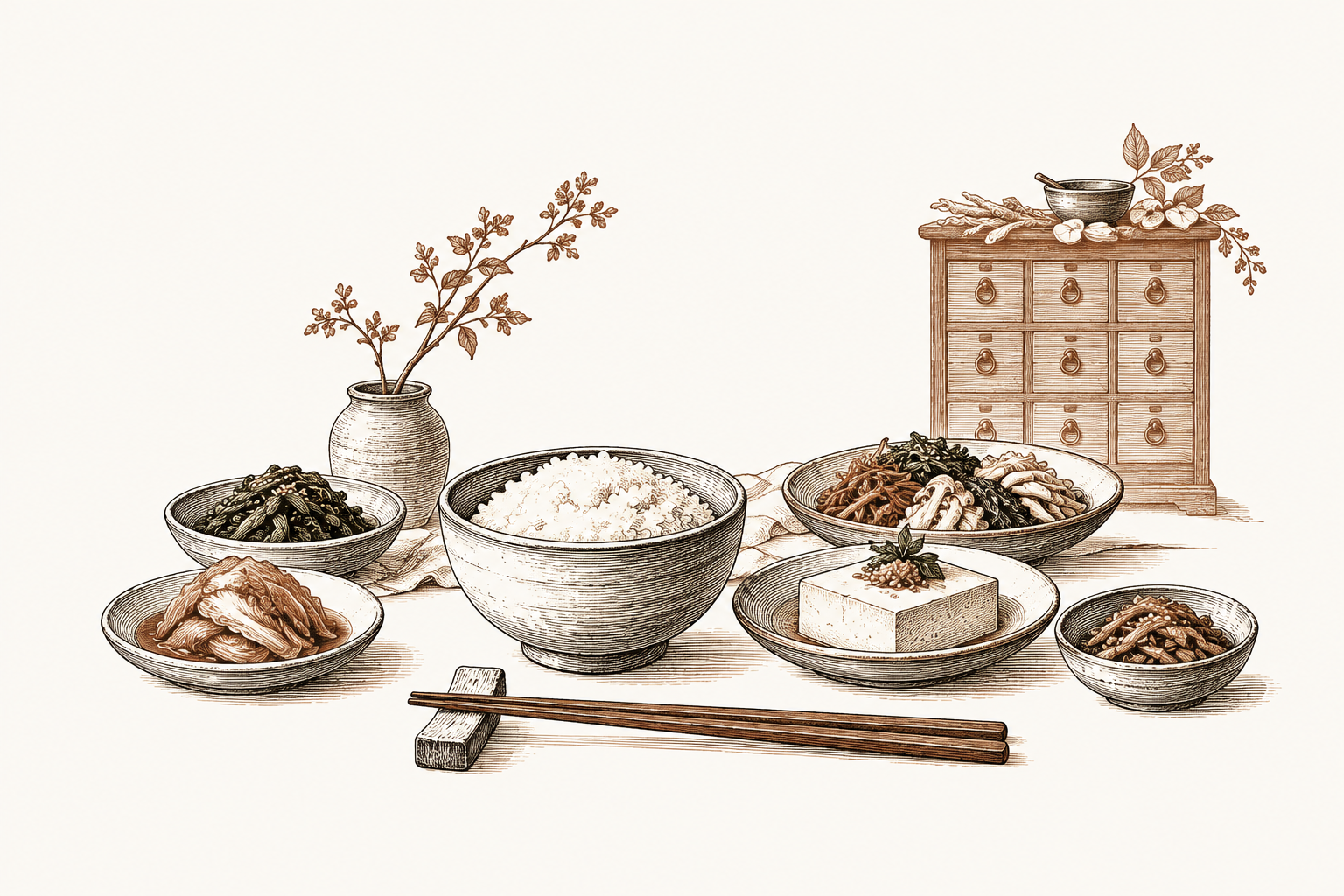
Simply eating less does not guarantee a well-balanced diet. Even when taking herbal medicine, it’s important to plan how to structure and maintain your meals. This article is a guide to reviewing your eating habits before consultation, not a diet tailored to a specific prescription.
What Does Traditional Korean Medicine Look for in Dietary Consultations?
In Korean medicine, appetite is assessed alongside digestive discomfort, post-meal bloating, bowel conditions, and sensations of coldness or heat in the body. These observations help explain why the same food may cause different reactions. However, these traditional insights should not be directly interpreted as certain foods burning fat, nor does simply changing food temperature guarantee weight loss.
How to Review a Single Meal?
| What to Check | Examples to Observe in Daily Life |
|---|---|
| Protein Foods | Whether you include fish, eggs, tofu, beans, or lean meat |
| Vegetables and Fruits | Avoiding repetition of a single item and ensuring variety across food groups |
| Staple Foods | Being mindful of the amount and type of rice, bread, or noodles |
| Beverages and Snacks | Ensuring sweet drinks or snacks are accounted for in your records |
| Digestive Condition | Repeated discomfort or changes in bowel movements after eating |
The NIDDK emphasizes sustainable meal plans for weight management. Rather than relying on a single “miracle” food, the key is adjusting your diet to fit your lifestyle. If you have special dietary instructions due to kidney disease, diabetes, or other conditions, follow your healthcare provider’s guidance over general tables.
Are Warm Foods or Fermented Foods Essential?
If warm foods feel comforting, you may choose them, but temperature alone does not guarantee weight loss. For soups, also check the salt content and accompanying dishes. Fermented foods vary in sugar and sodium levels depending on the type. Korean medicine dietary consultations focus on listening to your actual responses rather than imposing the same foods on everyone.
How Detailed Should Your Records Be?
At first, simply note meal times, what you ate, beverages and snacks, and any post-meal discomfort. Below is an example for consultation purposes—not a strict treatment protocol or mandatory schedule.
- Morning: Whether you ate and what you ate
- Lunch and Dinner: Composition of staple foods, protein, and vegetables
- Between Meals: Beverages and snacks
- End of Day: Times of strong hunger and digestive or bowel conditions
If you reduce your meals excessively to the point of difficulty in daily life or discomfort, consult your prescribing practitioner rather than adjusting your medication dosage on your own.
Frequently Asked Questions
Should I Cut Out All Carbohydrates?
This cannot be recommended for everyone. Consider the type and amount, overall meal composition, and your health and lifestyle conditions together.
If I Have No Appetite, Can I Skip Meals Continuously?
Appetite changes alone don’t guarantee adequate nutrition. If your intake has significantly decreased or you experience discomfort, bring your meal records to consultation.
Should I Exercise Alongside?
Review activities you can manage alongside your meal plan. It’s important to create a plan considering your current fitness and health conditions rather than starting too aggressively.
Further Reading
References
This article provides general dietary information and does not replace personalized nutritional prescriptions.
jaimdang Korean Herbal Care
Online consultation and prescriptions tailored to your constitution.
View products