
What to eat for breakfast when managing weight
Build breakfast from protein foods, grains and vegetables or fruit—for example, rice with an egg and vegetables. Match it to your appetite and time until lunch; eating breakfast alone does not guarantee weight loss.
Contents
What is a balanced breakfast?
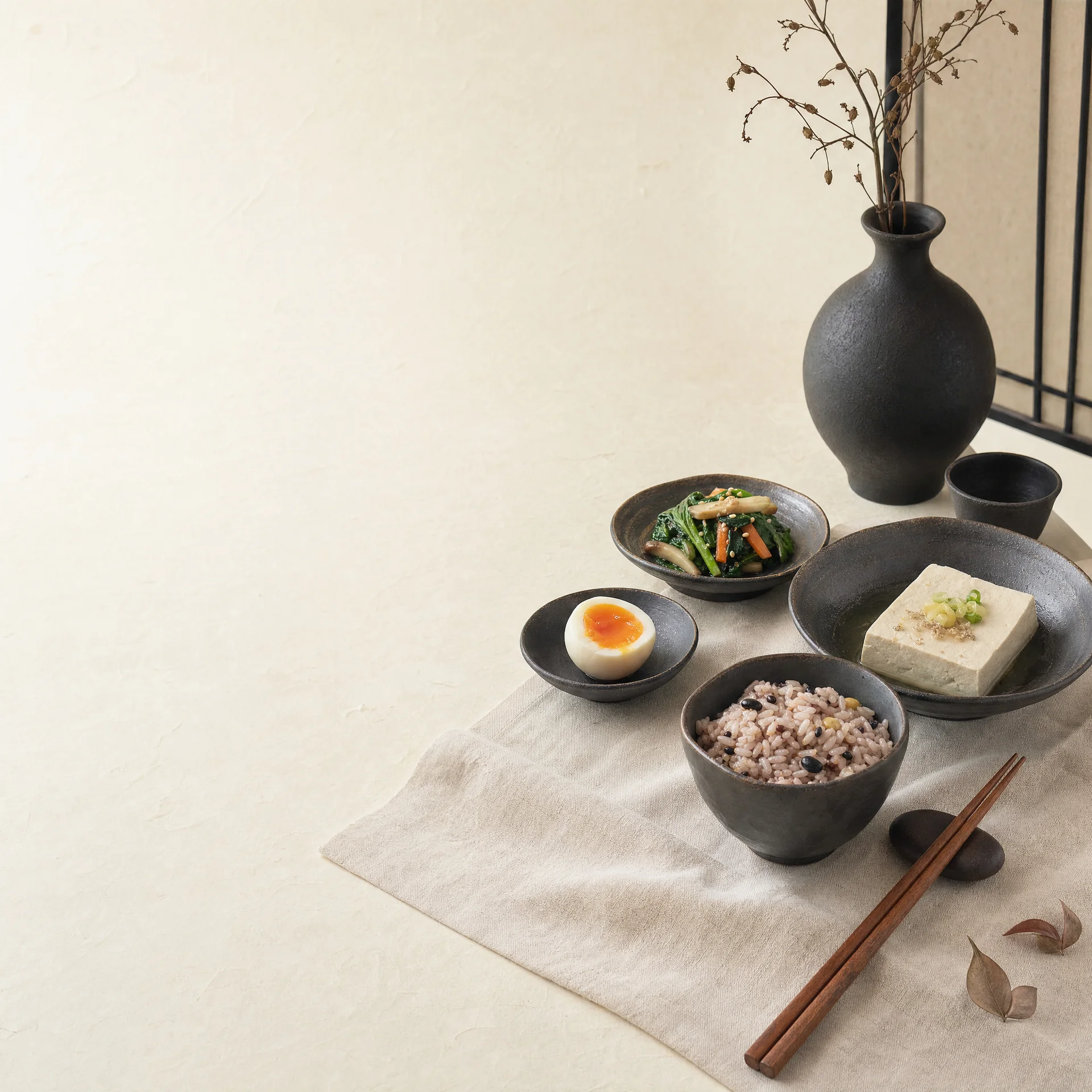
A meal high only in protein foods differs from a balanced meal. Eggs, beans, tofu, fish, and dairy products can be options, while rice or whole grain bread add energy to the meal. Vegetables and fruits provide dietary fiber. Instead of categorizing foods as good or bad, it is easier to choose by examining what types are missing from your current table. Eating grains or fruit does not mean your breakfast has failed.
Three breakfast combinations beyond a protein shake
Try eggs with wholegrain toast and tomatoes, plain yogurt with oats and fruit, or a tofu and vegetable wrap. These are adaptable combinations rather than equal-calorie meals. Use ingredients you tolerate, and adjust the amount to your needs; a high protein label does not make a product essential for weight loss.
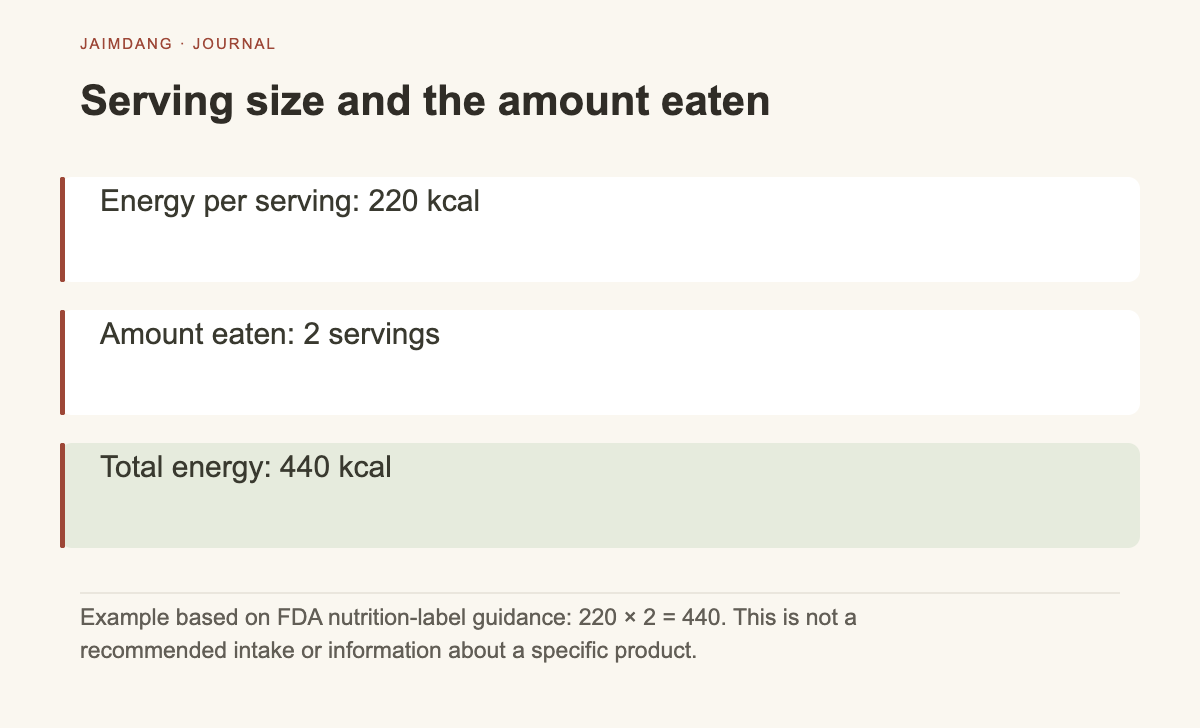
When comparing two packaged breakfasts, first put their labels on the same basis. One may list protein per pot and the other per 100g. Then consider the amount you will actually eat, the rest of breakfast and the drink alongside it. A large number on the front of a packet can distract from the serving size.
For an early departure, choose food you can safely store and eat at your destination. If breakfast leaves you uncomfortable, review the food, amount and timing instead of automatically adding more protein. Follow any individual nutrition advice for kidney disease or another condition rather than adopting a general high-protein target.
How to compare familiar menus?
| Starting Menu | Additional Components | Points to Consider |
|---|---|---|
| Rice and side dishes | Tofu or eggs, vegetable side dishes | Seasoning of side dishes and soup |
| Toast | Eggs or unsweetened dairy products, fruit | Total amount including jam and beverages |
| Oatmeal | Milk or suitable alternatives, nuts | Allergies and topping amounts |
| Convenience store meal | Staple food combined with protein foods and vegetables | Label serving size and actual intake |
The above table is an example to consider combinations, not a diet plan guaranteeing weight loss. If dairy products do not suit you, you can choose other protein foods. Also, plant-based beverages vary in protein content and nutritional fortification by product. Do not assume they have the same nutritional composition as milk; it is better to check product labels together. You can sufficiently change the composition with familiar Korean meals, so there is no need to necessarily buy expensive alternative products.
How should protein values be interpreted?
When selecting packaged products, check the protein amount along with the amount the label refers to. For example, if a hypothetical product states 8g of protein per 100g and you actually consume 150g, the calculated intake is 12g. This number is an example of label reading and is not a target amount for everyone’s single meal. Required amounts vary depending on body condition and overall diet, so it is better not to choose products based solely on large numbers.
Also check added sugars, sodium, and actual consumed amounts. Even yogurts with the same name differ in composition by product, and a single beverage bottle may be larger than expected. If you have received nutritional management guidelines due to kidney disease or other conditions, prioritize your own guidelines over general high-protein diet trends.
What steps apply to busy mornings?
First, consider when you will eat lunch today. If you go to work early and lunch is delayed, decide on foods you can prepare the day before. Second, keep your usual staple food and supplement what is missing among protein foods and vegetables or fruits. Third, record not only how you feel immediately after eating but also morning hunger and bloating. Meal records are not report cards evaluating yourself but notes to help your next choices. Start with one missing food group and assess whether the change is manageable and comfortable, rather than judging it by one day’s weight. The related articles below offer more help with food records and labels.
People who have difficulty eating breakfast should find an approach that fits their routine rather than suddenly forcing a large meal. Conversely, if you eat little in the morning and become very hungry before lunch, consider whether you only drank beverages or if the interval since dinner the previous day was long. If discomfort recurs, organizing food types, timing, and medications together can help identify causes.
If you usually experience stomach discomfort in the morning, it is also good to consider portion size and cooking methods. Avoiding cold foods does not improve everyone’s health, but it is worth recording foods or temperatures that cause discomfort for you. Traditional Korean medicine uses the traditional spleen-and-stomach concept to explain appetite and digestion patterns. This concept does not correspond to specific organs or metabolic rates in modern medicine, nor can a traditional constitutional type be determined solely from the breakfast menu.
Can I skip breakfast if I take Korean herbal medicine?
Medication instructions and meal plans should be checked separately. This article does not recommend taking medicine on an empty stomach. If nausea or appetite changes occur after taking medicine, check the instructions and symptoms rather than arbitrarily reducing meals.
References
- NHS: Balanced Diet
- NHS: How to Increase Dietary Fiber
- Related Journal: Meal Composition
- Related Journal: Reading Nutrition Labels
Related product information
jaimdang Korean Herbal Care
Online consultation and prescriptions tailored to your constitution.
View products