
If Your Heel Rubs While Walking, What Should You Check Before Counting Steps?
If your heel rubs or the skin becomes red while walking, do not keep walking just to reach your step count. Stop your activity and check where the shoe contacts your foot, the moisture and wrinkles in your socks, and the condition of your skin. Do not dismiss blisters or wounds that have already formed as just part of breaking in new shoes.
Contents
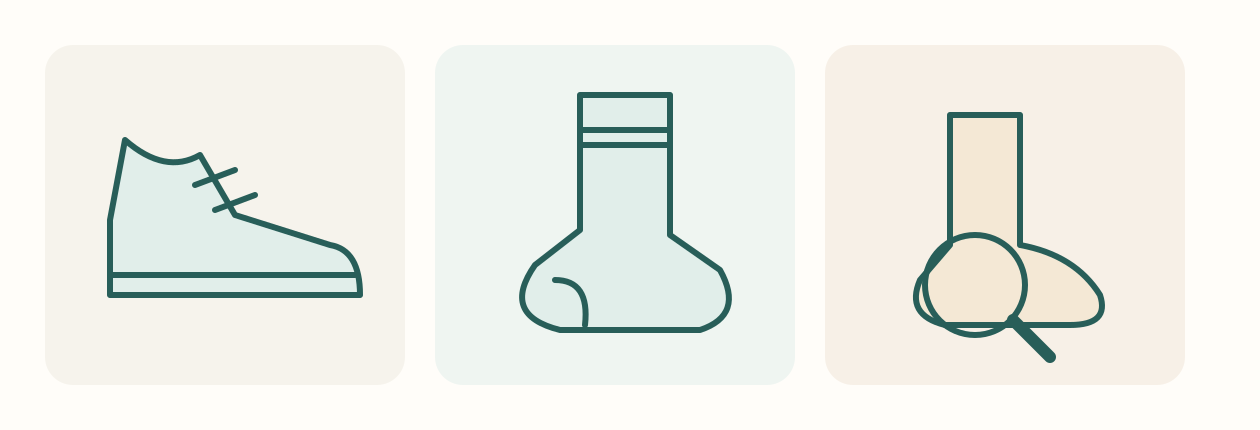
What Should You Look for to Reduce Friction?
The American Academy of Dermatology recommends wearing shoes that fit your feet and socks that wick moisture away, and advises stopping activity if pain, discomfort, or redness occurs. You should check not only shoes that are too tight but also those that are too loose and cause your foot to move excessively. It cannot be assumed that a particular brand or expensive shoes fit everyone.
Before you start, wear the socks you usually walk in and check inside your shoes. If your socks are folded or there are small foreign objects inside, address these first. Do not increase your walking plan duration just because you are wearing new shoes. Choosing a place where it is easy to check how your feet feel and a route you can return from is a planning suggestion from the editorial team.
Is there a fixed walking time or recovery period?
There is no single walking duration or step target for preventing friction blisters in everyone. Yesterday’s comfortable distance does not establish today’s skin condition. Changing shoes or waiting a fixed time does not confirm healing. Note when you started, first noticed discomfort and stopped; mark uncertain times as approximate. These notes describe events, not a return-to-exercise prescription or a promised healing deadline.
The AAD describes 1–2 weeks as a usual healing period for most blisters. This does not set an individual return date: the same guidance says to avoid the causative activity until healed. Do not wait out that period when symptoms worsen or individual medical care is needed.
Check Before, During, and After Walking
| Time Point | What to Check | Example Record |
|---|---|---|
| Before Starting | Shoe fit, sock condition, existing wounds | Today’s shoes and socks, already uncomfortable areas |
| While Walking | Rubbing, pain, redness | Which location became uncomfortable and when |
| After Stopping | Skin changes in the same area | Presence of blisters or wounds and reason for stopping activity |
| Before Next Plan | Recovery status, recurring conditions | Whether discomfort recurred with the same combination |
This table is a tool to describe your condition and is not a criterion for diagnosing wound depth or infection. If your left and right feet feel different, record each separately, and instead of saying "pain from walking a lot," describe the actual location. There is no need to deliberately walk longer again just to check for discomfort.
What to Do After a Blister Forms?
The American Academy of Dermatology advises protecting blisters and avoiding the causative activity until healing occurs. Do not pop blisters or peel away the overlying skin yourself. If blisters are large and very painful, wounds recur, or redness, pus, pain, or swelling increase, consult a healthcare professional. This article does not provide instructions on directly incising or draining blisters.
Do not assume all problems are resolved just because pain decreased after changing shoes. Skin damage and pain in joints or tendons may need to be evaluated separately. If pain persists despite rest or your gait changes, do not try to solve it only by reducing your target amount.
Stop somewhere safe to inspect the shoe’s contact point, sock folds and affected skin. Keep observations separate; failure to find an obvious cause does not prove there is no problem. Do not press or rub the skin repeatedly to test it. A dated photo with the side and location can help describe changes, but cannot establish wound depth, infection or sensation. Record discomfort even if redness is hard to see. Documentation must not delay necessary care.
Does It Change If You Have Diabetes or Sensory Loss?
The CDC explains that nerve damage from diabetes may reduce your ability to feel foot pain. Therefore, absence of pain alone does not mean there are no wounds. Check your feet daily, and if new wounds or blisters appear, promptly contact your healthcare provider and follow your personal care instructions. General walking guidance from the internet does not replace individual foot care or exercise restrictions.
Even if you receive Korean medicine-based weight management, do not delay evaluation by attributing foot wounds solely to constitution or circulation issues. When consulting, it is necessary to inform about activity levels as well as skin changes, sensory changes, and existing diseases.
Before planning another walk, consider changes in the affected area as well as the footwear. Avoid the activity that caused the blister until it heals and follow individual medical advice. Record why you stopped rather than only an unmet step goal. Plan with companions so stopping is possible; missed steps do not have to be compensated for by extra exercise or food restriction.
FAQ
Can I cover blisters and just meet today’s goal?
Applying protective dressings does not mean you are permitted to continue walking. First, check the causative activity and recovery status. You do not need to record days when you stop exercising as failures.
If I change shoes, should I resume the same distance?
Your current skin and body condition take priority over previous distances. Do not repeat the same plan without knowing if the cause has been resolved. Adjust walking time and intensity according to your personal condition. You can also refer to the Indoor Walking Plan for location selection.
If my feet hurt, should I immediately switch to another exercise?
Since the activity may apply pressure to the same area, do not automatically switch. If you have wounds or diseases, check which activities are possible. This article does not recommend using exercise to compensate for eating or enduring pain to lose weight.
References
- American Academy of Dermatology, How to prevent and treat blisters: Shoes, socks, friction, stopping activity, and blister protection. Checked 2026-10-23.
- CDC, Your Feet and Diabetes: Sensory loss and daily foot checks, individualized care. Checked 2026-10-23.
Product information
jaimdang product guide. The practical guidance above does not establish the effectiveness of a product.
jaimdang Korean Herbal Care
Online consultation and prescriptions tailored to your constitution.
View products