
Where to Measure Waist Circumference and How to Compare It with Weight Records
Waist circumference should be measured at the same location and using the same method to facilitate comparison with previous records. Find the midpoint between the lower ribs and the upper part of the pelvis, and measure without tightening the abdomen or holding your breath. Rather than concluding that fat has increased or decreased based on a single measurement today, it is preferable to record the measurement conditions and weight trends together first.
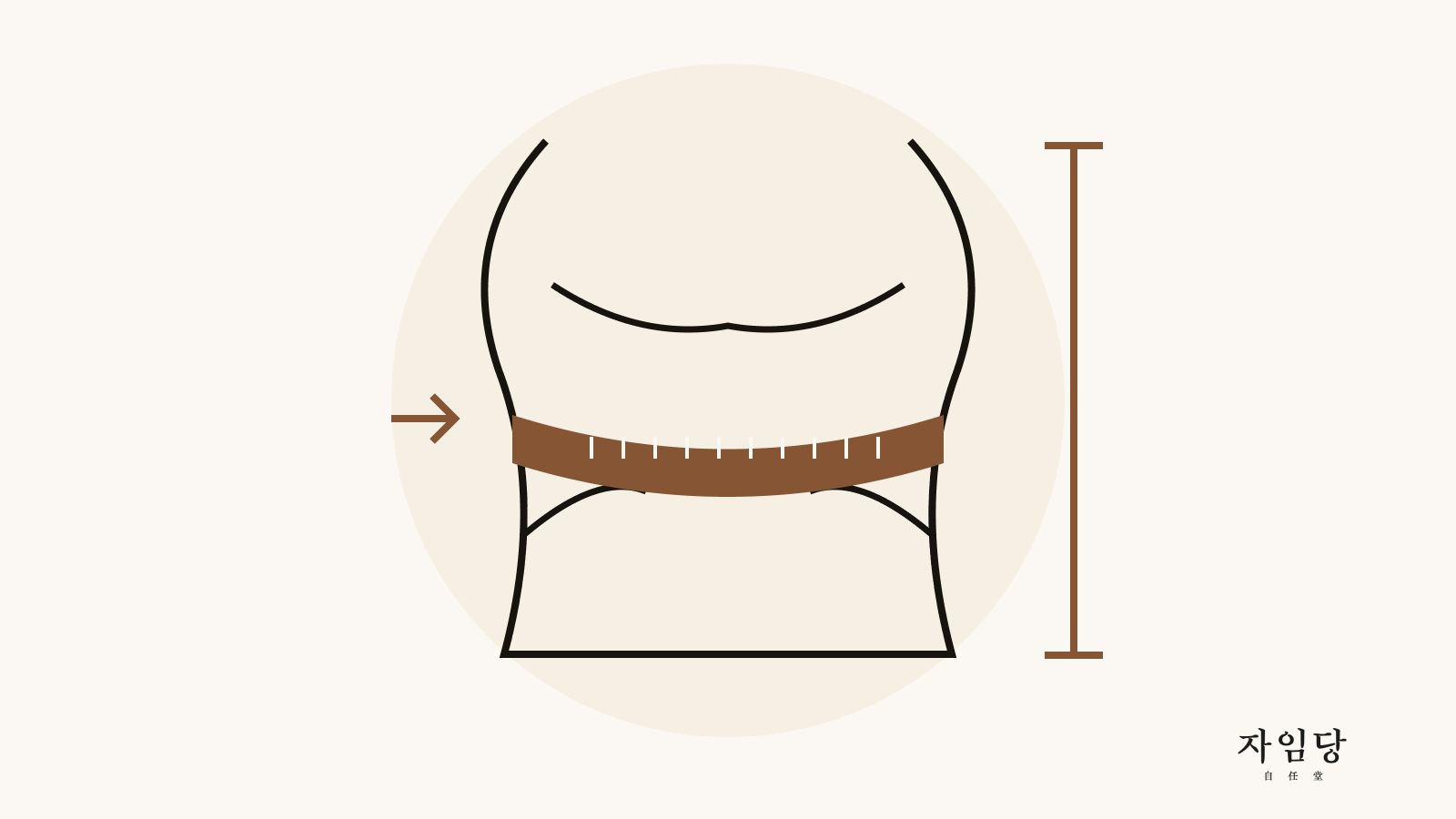
Definition: Waist circumference is an indicator of abdominal size
Waist circumference is the length measured with a tape measure and is not a direct test of body fat amount. Waist sizes of pants also vary by product and wearing position, so they cannot substitute for body measurements. Weight provides information about the entire body’s mass, while waist circumference gives information about the circumference at a specific location. It is best not to treat one as the definitive answer for the other.
The UK NICE guidelines recommend using waist-to-height ratio alongside body mass index (BMI) when assessing health risks in adults. This article introduces the measurement method among those recommendations. Individual risk should be assessed considering age, medical history, body type, etc., and the single numeric thresholds from UK guidelines should not be directly applied as diagnostic criteria for all Korean readers.
Numbers: Units must be consistent to compare ratios
The waist-to-height ratio is calculated by dividing waist circumference by height. For example, if waist circumference is 80 cm and height is 160 cm, then 80 ÷ 160 = 0.5. This is a hypothetical example to explain the calculation and not a target value for any specific reader. Do not mix centimeters and meters in the calculation, and do not include weight in this formula.
According to NICE adult guidance, this ratio is applicable for individuals with a BMI under 35. A ratio of 0.5 or higher may be a trigger for further evaluation, but a single self-measurement should not be used to diagnose disease. If pregnant or experiencing changes in abdominal condition, do not interpret the measurements as you would general weight management records; consult healthcare professionals for applicability.
Comparison: When weight and circumference change differently
| Situation in records | Points to check first | Conclusions to record carefully |
|---|---|---|
| Weight is similar but circumference differs | Whether tape measure position and tightness were consistent | Confirm measurement conditions, then compare trends |
| Both weight and circumference change together | Timing of measurement and recent lifestyle changes | Record the fact of change but verify causes separately |
| Different circumference measurements on the same day | Whether breath was held or abdomen was tightened | Do not immediately interpret small differences as fat changes |
| Pants feel loose but measurements are similar | Stretch of clothing and wearing position | Distinguish between clothing fit and body measurements |
A decrease in circumference does not necessarily indicate increased muscle or reduced visceral fat. Conversely, unchanged numbers alone do not mean lifestyle changes are meaningless. Review body condition and behavior records together, distinguishing the timing of changes and when causes are confirmed. For interpretation of overall plateaus, see Weight Plateau Guide.
Procedure: Measurement process to record under consistent conditions
First, prepare a non-stretch tape measure and identify the lower ribs and upper pelvis. Wrap the tape measure around the torso at the midpoint between these points. Do not select different locations each time based solely on the navel. If possible, use a mirror to check that the tape measure is not slanted at the back.
Second, do not tighten or suck in the abdomen; take the reading after breathing out naturally. Do not press the tape measure so hard that it indents the skin. If measuring over thick clothing or if the tape is twisted, recheck the position rather than recording the measurement as is. If standing safely is difficult, do not force the measurement alone.
Third, record the date, location, units, and measurement conditions. Afterwards, compare under as consistent conditions as possible. Avoid repeatedly measuring until a smaller number appears. If values change unexpectedly, verify the measurement method and distinguish between initial and rechecked values in records.
Fourth, place weight and circumference side by side but do not immediately add dietary restrictions based on daily differences. Choose a recording interval that is not burdensome, and when comparing with previous records, compare the same items. This article does not recommend specific measurement frequencies or reduction amounts within a few weeks for everyone.
Korean traditional medicine explanations of obesity include traditional concepts such as phlegm-dampness and spleen-stomach function. However, waist circumference alone cannot diagnose phlegm-dampness or constitution. In consultations, it is helpful to explain actual information such as digestive status, fatigue, and medications along with measurement records. Traditional interpretations and measured lengths are not interchangeable as the same indicator.
FAQ: Frequently Asked Questions
Must it be measured at the navel?
The NICE method introduced uses the midpoint between the lower ribs and upper pelvis. Since guidance may vary by institution, do not mix records obtained by different methods when calculating changes. If you have already been instructed on a method by a medical institution, confirm and continue using that standard.
Should I reduce food intake if circumference increases?
First, check measurement conditions. If there is unexplained abdominal bloating or pain, do not attribute it solely to weight issues and seek medical evaluation. It is inappropriate to start self-prescription or excessive dietary restriction based on a single number.
Can I bring my records to a consultation?
Records with dates and conditions, such as Maintenance Record Comparison, serve as materials to explain your condition. You can also review the Gongbihwan Program Guide, but whether to use it is determined after individual evaluation. Records are not used as a means to promise waist circumference reduction.
References
- NICE NG246, Identifying and assessing overweight, obesity and central adiposity: Application scope of adult waist circumference measurement and waist-to-height ratio. Checked 2026-10-14.
- Korean Society of Korean Medicine for Obesity, Pathophysiology of Obesity According to Causes: Background of traditional concepts. Not used as evidence to diagnose by waist circumference.
jaimdang Korean Herbal Care
Online consultation and prescriptions tailored to your constitution.
View products