When you've rested well, but still don't feel recovered
Are you experiencing more and more days
like these lately?
Qi (氣) is the vital energy that moves the body,
and Blood (血) is the substance that nourishes it.
If either is insufficient, the body loses its balance.
1
Mornings that don't feel refreshing, even after sleep
You went to bed early, but it's still hard to get up. Even if you catch up on sleep over the weekend, Monday feels the same, making you wonder if this is just how it is now.
2
Energy levels plummeting by 3 PM
You manage to get through the morning, but by afternoon, you can't focus. The cycle repeats: another cup of coffee, sacrificing your night's sleep in return.
3
Always the first to fall ill during seasonal changes
When the cold winds blow, you're the first among your peers to catch a cold. It also takes you a few days longer to recover than others.
4
Cold hands and feet, pale complexion
Even in summer, your hands and feet feel cool, and you're told your complexion looks dull. Occasionally, you might feel dizzy or experience moments where your vision darkens.
Ssanghwa is not a newly created formula.
It is the original prescription (原方), perfected 600 years ago.
Replenishing only one will not bring balance
Gujeung Gupo Ssanghwa approaches with
three key principles
Nine medicinal herbs are grouped into three pillars.
We openly disclose which herbs belong to which pillar.
Blood
Replenishing Blood · Nourishment
Baekjakyak 白芍藥 · Sukjihwang 熟地黃 · Dangui 當歸 · Cheongung 川芎
This pillar nourishes the body. With the four herbs directly from Samultang, Baekjakyak and Sukjihwang replenish Blood, Dangui provides nourishment, and Cheongung promotes its circulation. Cheongung is essential because replenishing Blood alone can lead to a heavy feeling.
Qi
Replenishing Qi · Warming Circulation
Hwanggi 黃芪 · Gyepi 桂皮
This pillar empowers the body's movement. Hwanggi strengthens Weiqi (衛氣), which protects the body externally, while Gyepi warms and opens the pathways for Qi to circulate. These two are always used together, never separately.
Absorb
Absorption · Harmony
Daejo 大棗 · Saenggang 生薑 · Gamcho 甘草
This pillar ensures absorption. A tonic is only meaningful if it is well-absorbed. Saenggang protects the stomach and intestines to aid absorption, Daejo mellows the sharpness of strongly flavored herbs, and Gamcho harmonizes all nine herbs into a cohesive whole.
Why the Original Prescription (原方) was kept unchanged
Creating a new combination is easier. You just add popular ingredients and give it a name. In fact, dozens of such products are released every year.
Ssanghwa takes the opposite approach. This formulation was perfected 600 years ago, and hundreds of millions of people have consumed it since. You cannot deceive many people for a long time. The choice not to alter the combination is a statement in itself.
Instead, what we've refined is the manufacturing method. Sukjihwang is prepared using the Gujeung Gupo (九蒸九曝) method — steaming and drying it nine times to remove its bitter taste. We resolved the taste issue through this process, rather than masking it with artificial flavors or sweeteners.
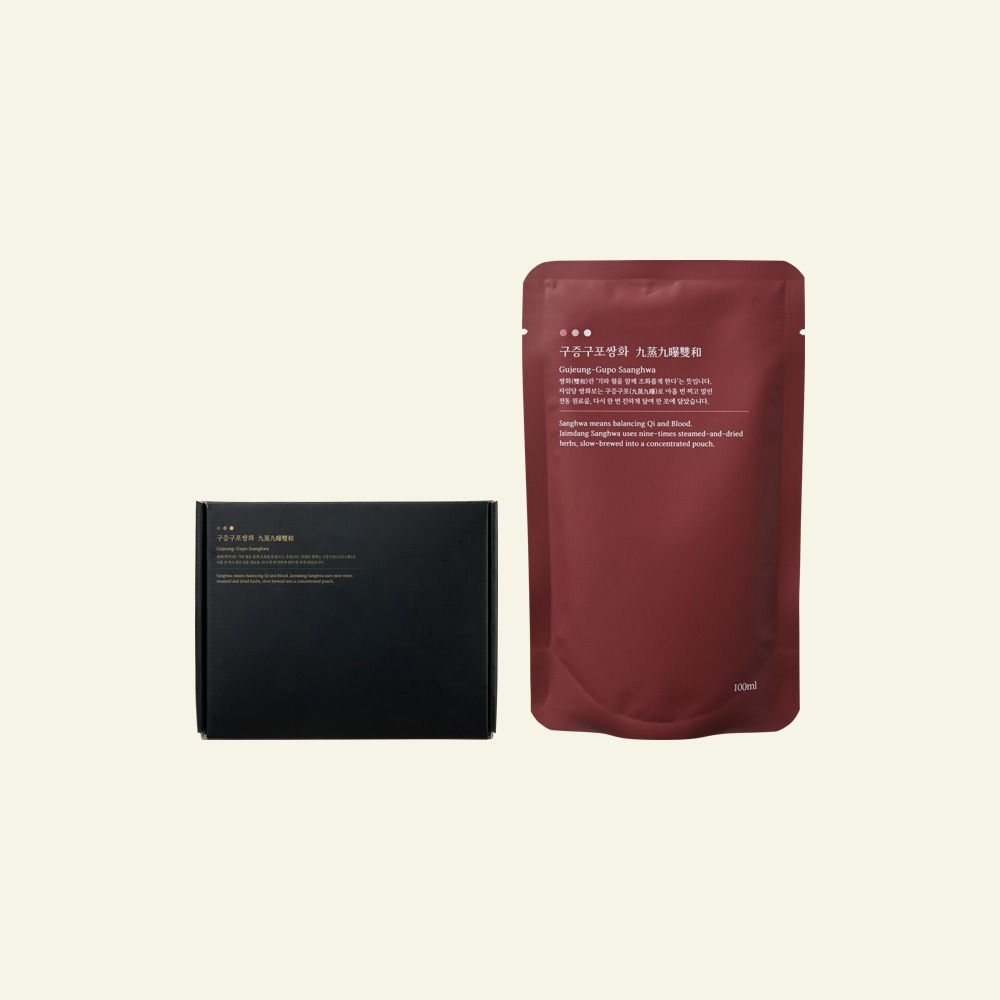
That's why the list of raw ingredients is short. It's just 98.5% plant extract blend and domestic honey. We deliver 30 pouches of 100ml liquid, packaged in a gift box.
600 Years of Records
Thousands of years
are the evidence
The herbal combination of Ssanghwa was perfected 600 years ago.
While trendy supplements struggle to last three years,
this formulation remains unchanged in Joseon medical texts and is still used today.
A combination of Samultang (Blood Replenishment) + Hwanggi Geonjungtang (Qi Replenishment)
Ssanghwa is structured as a combination of two distinct prescriptions. Samultang, which replenishes Blood, and Hwanggi Geonjungtang, which strengthens Qi, are merged to form a single approach: Qi-Blood Dual Replenishment (氣血雙補).
In Gujeung Gupo Ssanghwa, — This is precisely why it's named Ssanghwa (雙和), meaning 'to harmonize both.' If only Qi is raised, one becomes agitated; if only Blood is replenished, one feels heavy. By combining these two prescriptions, balance is achieved.
Formulation based on the 'Qi and Blood Dual Supplementation' (氣血雙補) principles, as documented in Donguibogam (東醫寶鑑).
Qi (氣) is divided into Weiqi (衛氣) and Yingqi (榮氣)
Donguibogam distinguishes Qi into Weiqi, which protects the body externally, and Yingqi, which circulates internally. This formulation combines Hwanggi and Gyepi to reinforce Weiqi, thereby strengthening both defense and circulation.
In Gujeung Gupo Ssanghwa, — Those who are always the first to fall ill during seasonal changes and recover slowly often have weak Weiqi (衛氣). In Ssanghwa, Hwanggi and Gyepi work together to address this.
Donguibogam (東醫寶鑑) · Internal Organs Chapter (內景篇) · Qi Section (氣門)
Blood (血) is the substance that nourishes the five viscera, six bowels, and muscles
Insufficient Blood can lead to a dull complexion, dizziness, and cold hands and feet. This formulation includes Dangui, Sukjihwang, and Baekjakyak to replenish Blood, restoring the circulation of nourishment (滋養).
In Gujeung Gupo Ssanghwa, — Cold hands and feet and a pale complexion are signs of Blood Deficiency (血虛). The three herbs from Samultang are responsible for this aspect.
Donguibogam (東醫寶鑑) · Internal Organs Chapter (內景篇) · Blood Section (血門)
Gujeung Gupo (九蒸九曝) is a traditional preparation method for Sukjihwang
This preparation technique involves steaming and drying medicinal herbs nine times repeatedly. It has been used for hundreds of years to remove the bitter taste of Sukjihwang and stabilize its properties.
In Gujeung Gupo Ssanghwa, — This is why Ssanghwa is easy to drink. We didn't remove ingredients or add sugar for taste; we solved it through the preparation process.
Traditional Paozhi (炮製) Technique · Gujeung-Gupo (Nine Steamings and Nine Dryings) (九蒸九曝)
※ The content above introduces the prescription structure and herbal records found in traditional texts such as Donguibogam, and does not represent the efficacy or effects of this product. Gujeung Gupo Ssanghwa is a general food product (liquid tea), not a medicine.
A process impossible for mass production lines from the start
We receive Saengjihwang
and steam and dry it nine times
When I was in Korean medicine school, I heard stories about places that would mix caramel or similar ingredients to achieve the color of Sukjihwang.
Sukjihwang only becomes black and lustrous after Saengjihwang is steamed and dried nine times. That black color is the mark of proper preparation, but if one can merely imitate the color, there's no reason to complete all nine steps. On the surface, it's indistinguishable.
So, we decided to do it ourselves. We receive Saengjihwang, then steam and dry it, and repeat the steaming and drying nine times until the color is just right. When we used what we made in our clinic, the response was different. We've been making it the same way ever since.
We don't do it nine times to get the color;
the color appears when it's done nine times.
Gujeung Gupo is very labor-intensive. During the nine repetitions, the production line must be dedicated solely to that one batch. For factories that handle products from multiple companies, this process simply doesn't make economic sense.
To extract quickly, you can raise the temperature. But then the aroma dissipates, and a bitter taste remains. So, instead of temperature, we use time. We cold-steep it for 24 hours and extract it at a low temperature for 12 hours. This process takes a day and a half, which also ties up the production line for a long time.
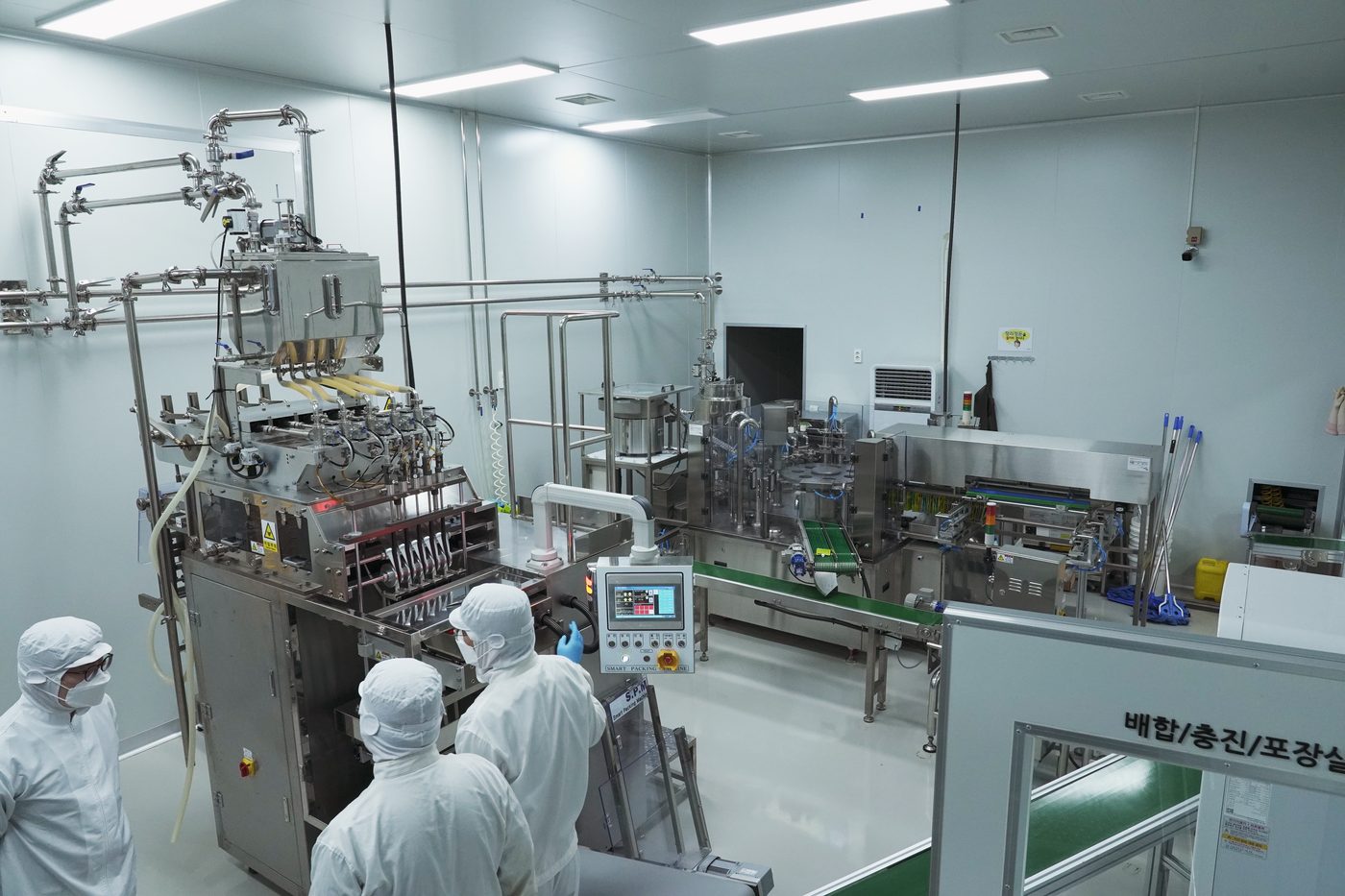
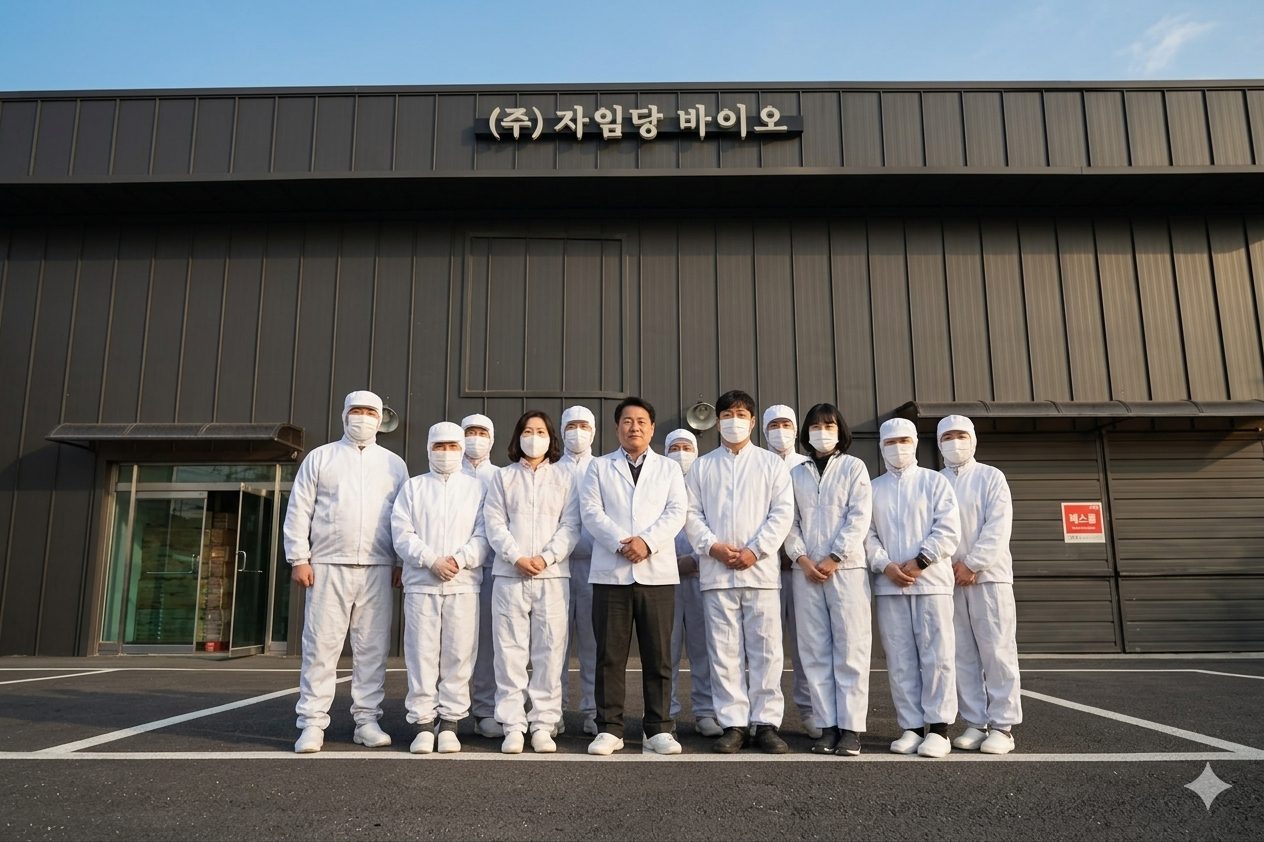
JAIMDANG BIO only produces JAIMDANG products. Since we don't handle other companies' goods, we can dedicate our production line for extended periods, allowing us to incorporate this meticulous process. The sweetness comes solely from domestic honey. The ingredient formulation is researched in collaboration with the Korean medicine doctors and herbalists at JAIMDANG Korean Medicine Clinic (Jaimdang Korean Medicine Clinic), and manufacturing is handled by JAIMDANG BIO.
Jung Hyun-jaeCEO, Jaimdang Korean Medicine Clinic · JAIMDANG BIO
Following Donguibogam's traditional dosage methods
When,
and How
Rather than seeking immediate effects,
the principle of tonic prescriptions is consistent consumption.
Morning on an empty stomach · Warm
Drink warm, 30 minutes before meals. Absorption is best when the stomach is empty.
Consistently · In units of 3 pouches
It takes time for the body to find its own balance. The principle is to drink it continuously, not just once.
For Gifting · 100ml × 30 pouches
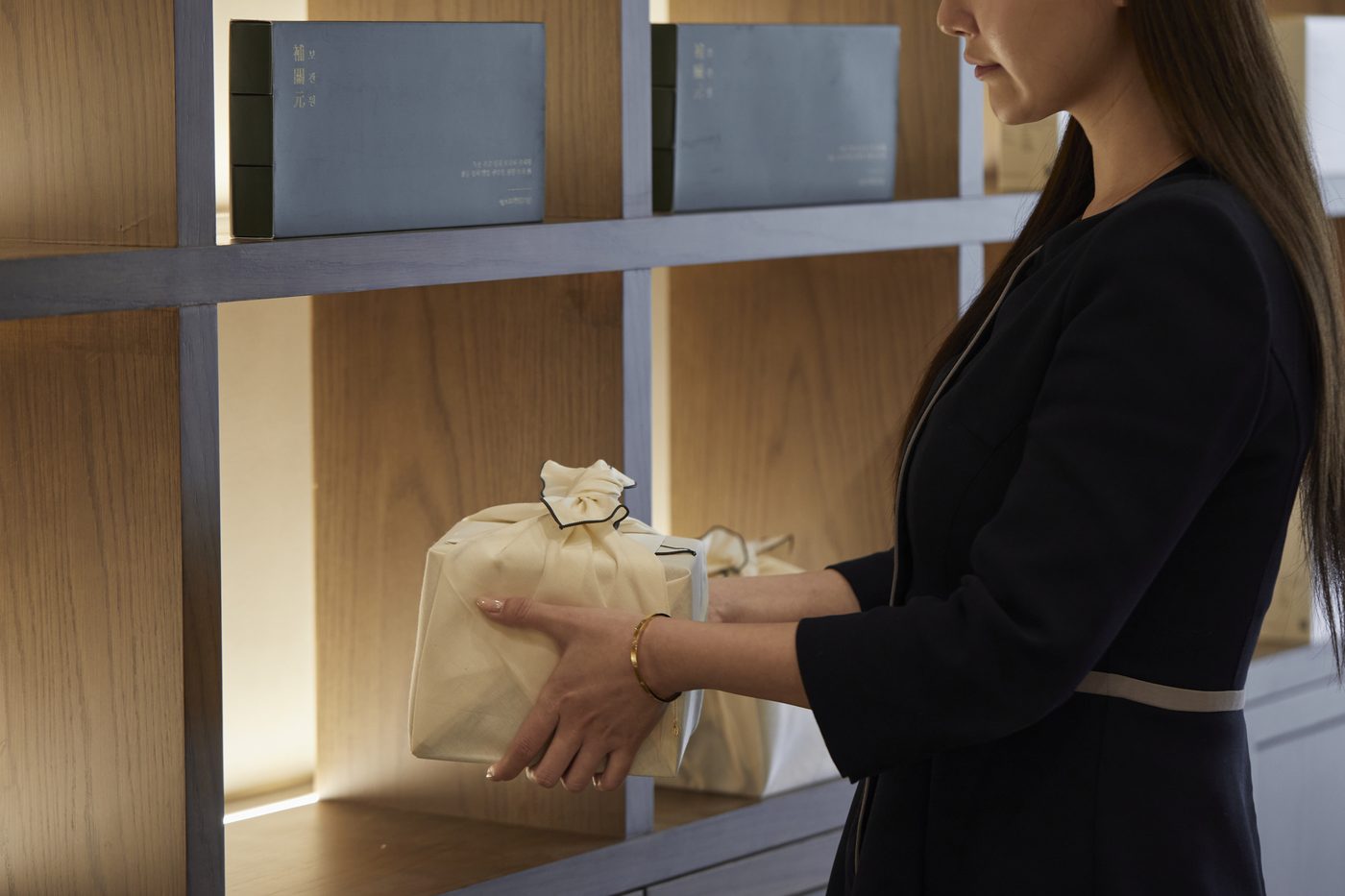
Delivered in a gift box. Share the traditional taste with heartfelt sincerity.
※ Food Type: Liquid Tea · Net Content 100ml × 30 pouches · Includes gift box · Product Manufacturing Report No. 20220493072105
From raw material selection to manufacturing, all in one place
Gujeung Gupo Ssanghwa is
crafted directly by us
01
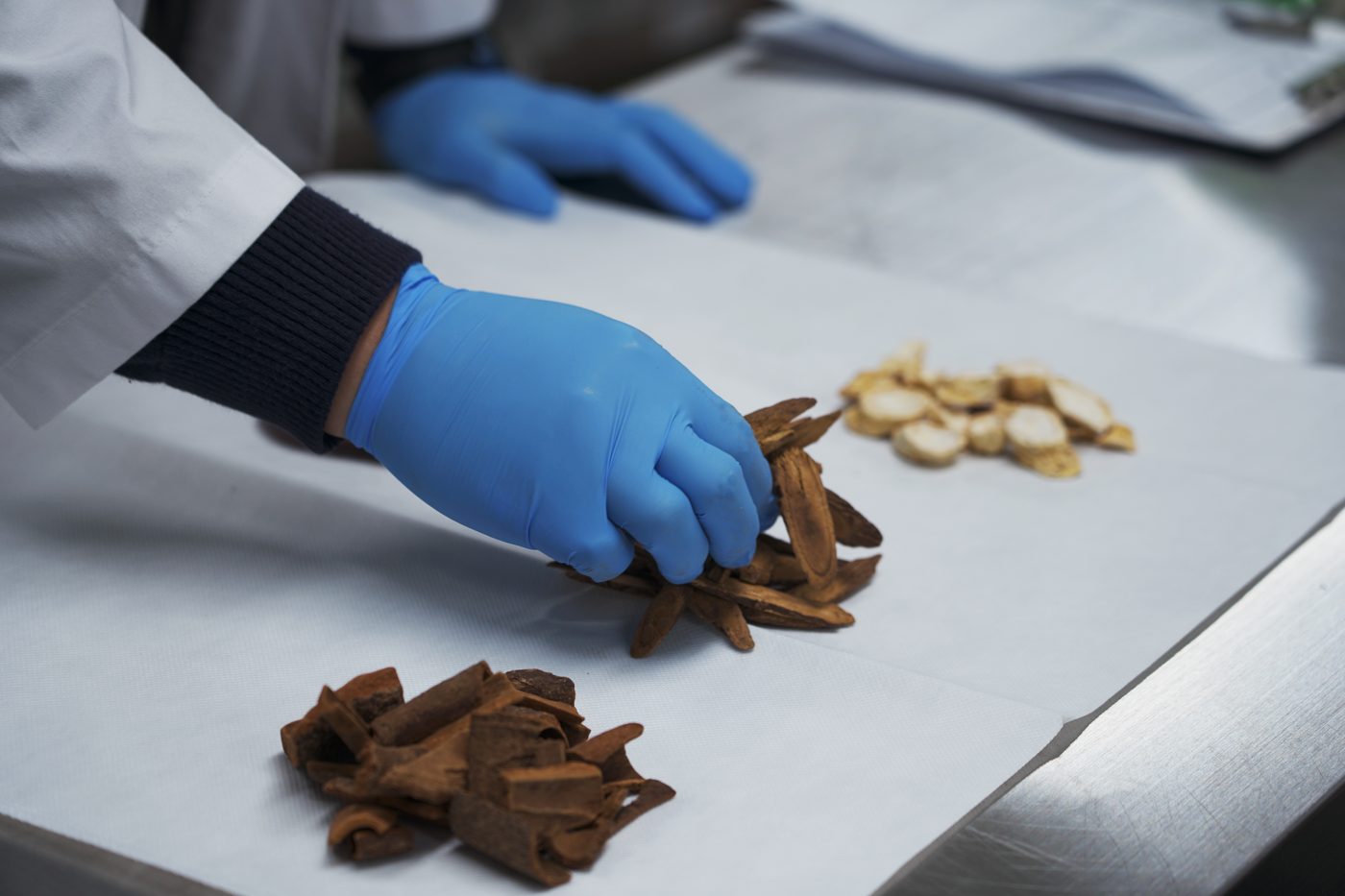
Carefully selected raw materials
Incoming inspection
02
Residual pesticides · heavy metals
Testing
03
Jaimdang Bio
In-house production
04
HACCP standards
Production management
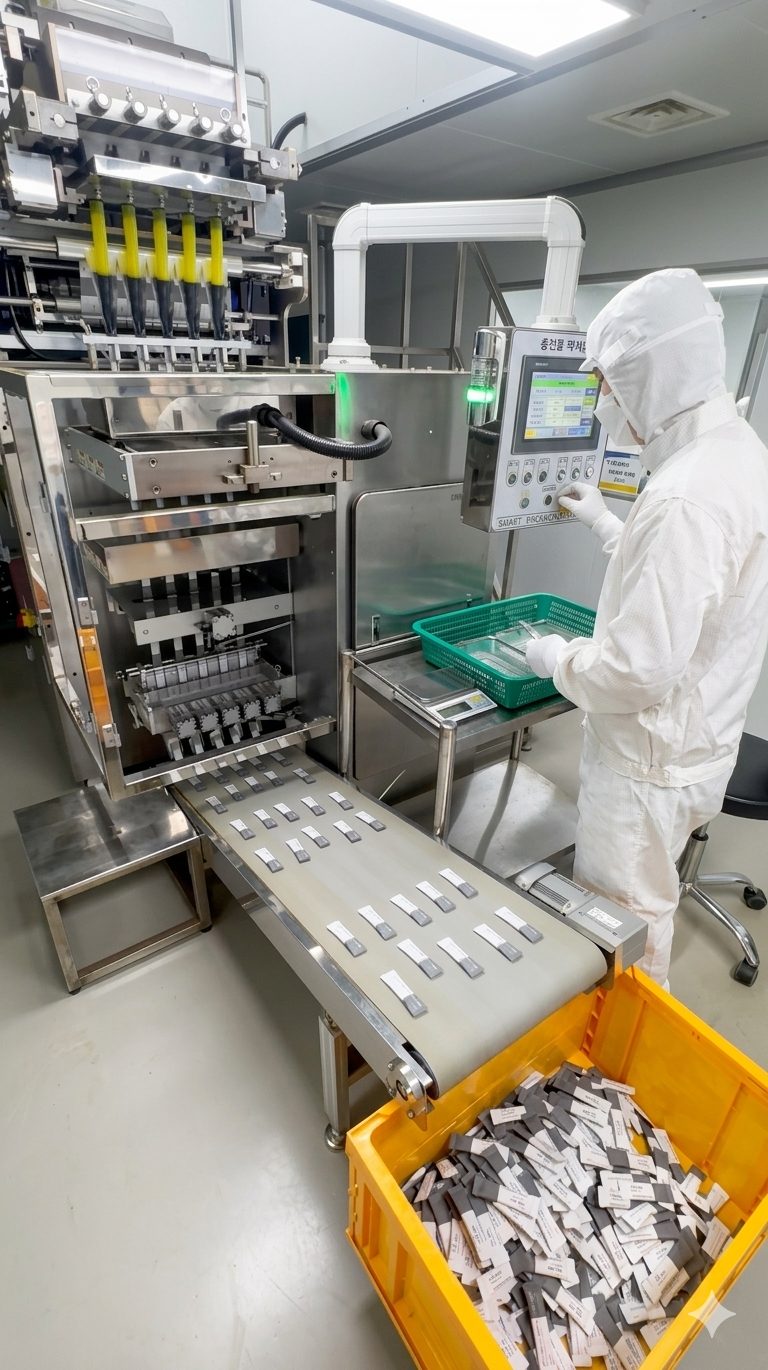
Not outsourced production, but at Jaimdang Bio's own production facility,
we directly handle everything from raw material selection, manufacturing, inspection, to packaging.
Prescription design by the clinic, manufacturing by Jaimdang Bio
These two entities
research together
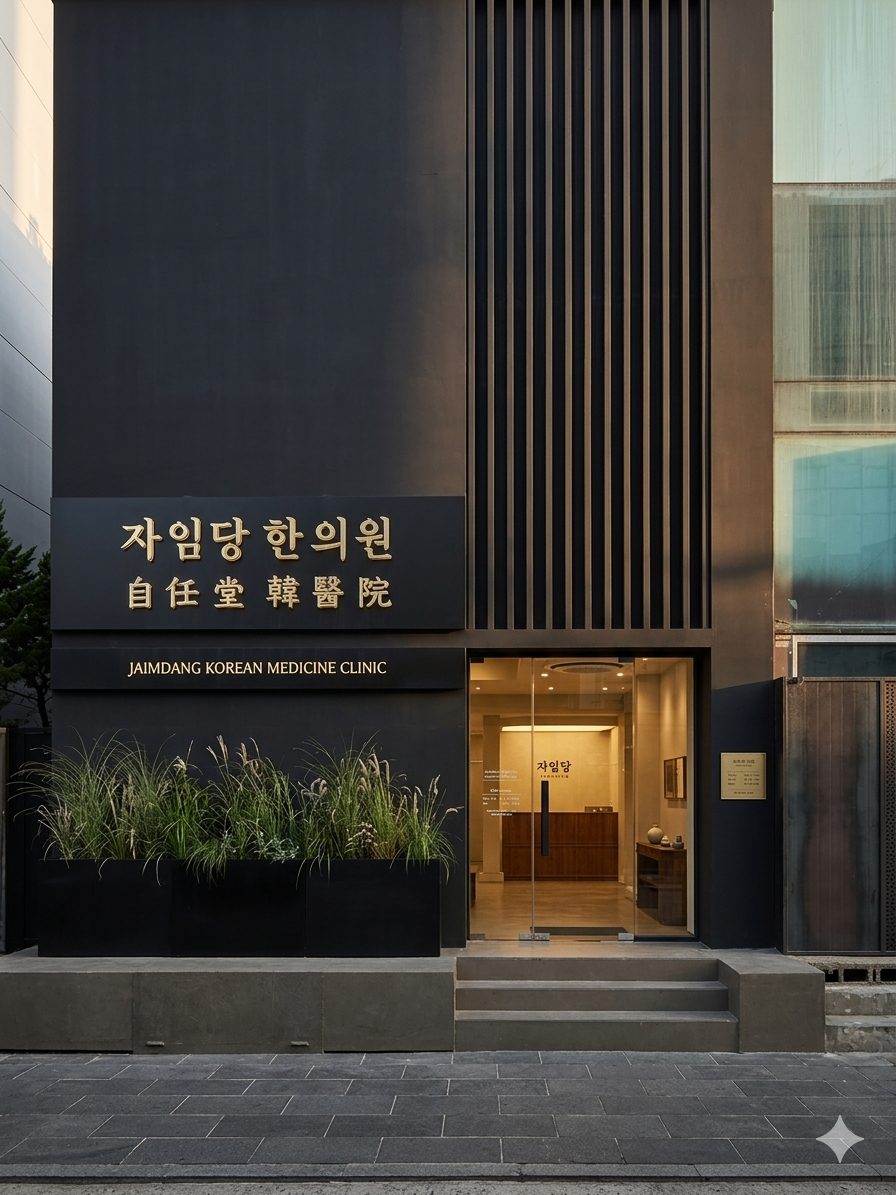
The ingredient composition was researched jointly by the Korean medicine doctors and herbal pharmacists of Jaimdang Korean Medicine Clinic,
while manufacturing is handled by Jaimdang Bio. Since the representatives of both entities are the same person,
no interpretation is needed between research and production.
Even the same prescription varies depending on where it is prepared
Why JAIMDANG?
11 years
Clinical experience in one place
We have not changed our prescriptions to follow trending ingredients. For 11 years, we have maintained the same approach in the same location, and the accumulated responses during this time have shaped our current formulations.
200,000
Cumulative patient data
The basis for our decisions—which ingredients to source from which regions, and at which stage of the Gujeung Gupo process to achieve the perfect flavor—comes from extensive experience. We apply the exact same standards used at our Korean Medicine Clinic.
24 countries
Prescriptions chosen across borders
Beyond Korea, we prescribe to patients in 24 countries, including Japan and the United States. Our experience with patients of varying dietary habits and physiques has broadened our range of intensity adjustments.
100%
A factory that only makes our products
Jaimdang Bio is not a factory that produces for various companies; we exclusively craft JAIMDANG products. This allows us to incorporate processes that require dedicating a single production line for extended periods.
We select raw materials according to the exact standards used by our Korean Medicine Clinic.
Gujeung Gupo Ssanghwa is also crafted under the same rigorous standards.
Nothing hidden — all herbs disclosed
9 Herbs ·
Monarch, Minister, Assistant, Envoy Composition
Herbal medicine formulations have a hierarchy. The Monarch herb (君) sets the direction,
the Minister herb (臣) provides assistance, the Assistant herb (佐) harmonizes, and the Envoy herb (使) delivers.
This structure has remained unchanged for 600 years.
Explore all ingredients and formulation
君
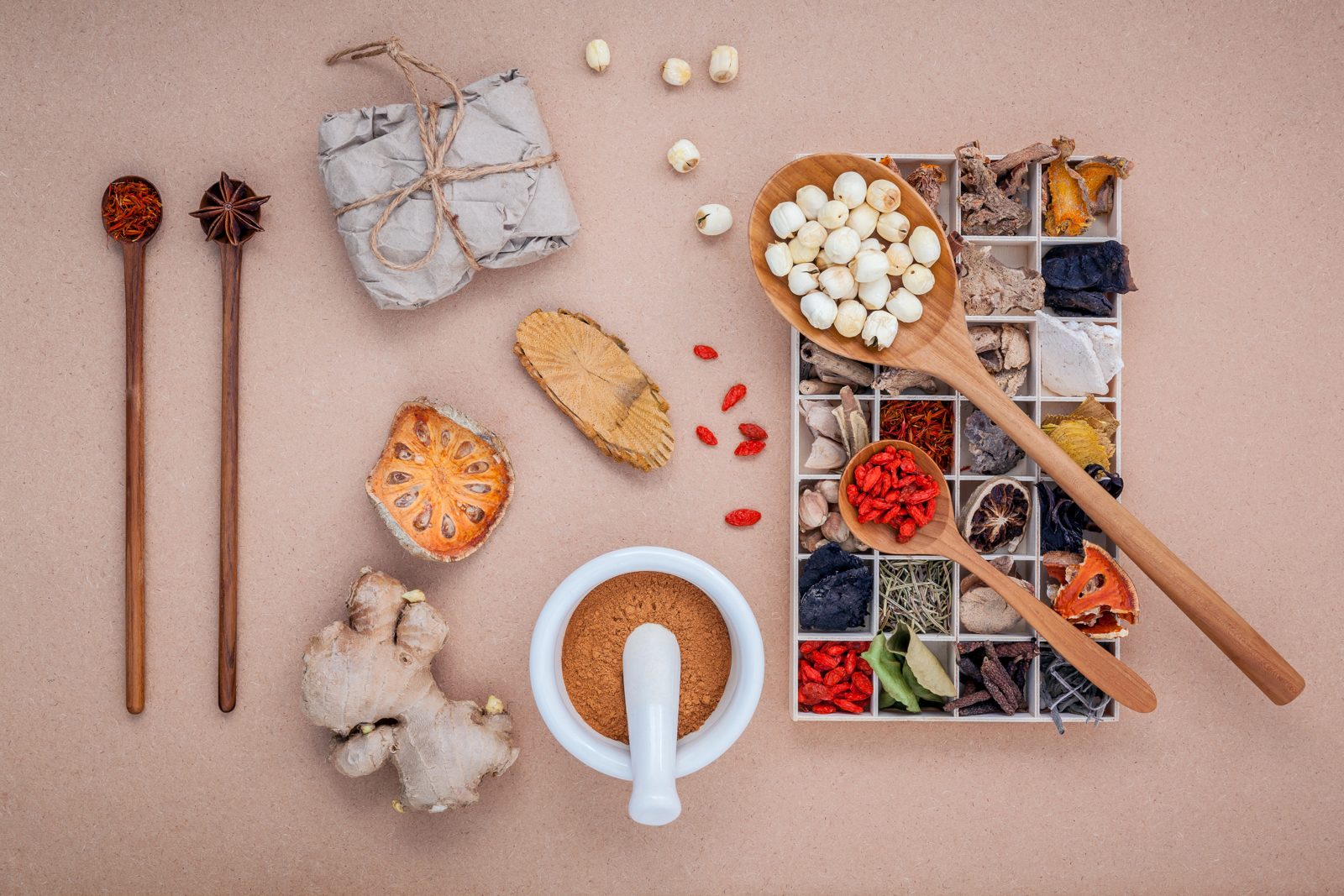
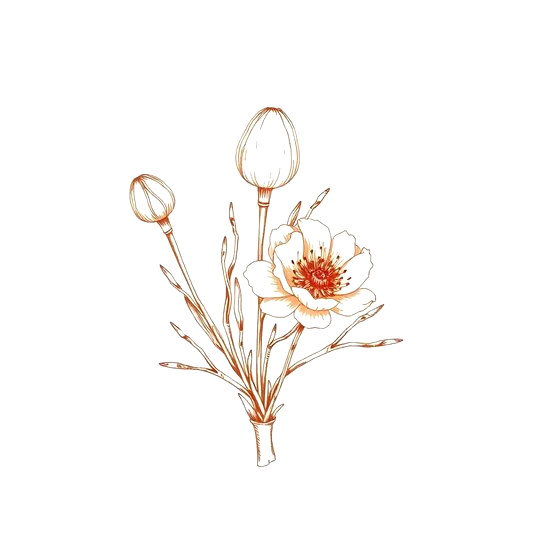
Baekjakyak 白芍藥
Paeonia lactiflora
Replenishes Blood · Calms Spasms (Largest proportion) (Korean)
Traditional RecordsReplenishes Blood · Calms Spasms — The core of the Ssanghwa formula, making up the largest proportion among the nine herbs.
Ingredient · RolePaeoniflorin. Traditionally used to relieve tension and spasms.
君
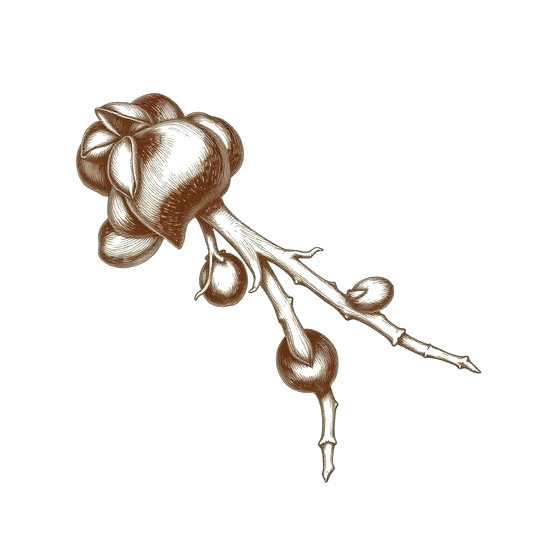
Sukjihwang 熟地黃
Rehmannia glutinosa
Nourishes Yin · Replenishes Blood (Gujeung Gupo preparation) (Korean)
Traditional RecordsNourishes Yin · Replenishes Blood — The core blood-replenishing herb in Samultang. Undergoes Gujeung Gupo preparation to remove bitterness.
Ingredient · RoleCatalpol · Rehmannioside. Its properties are stabilized through the nine steaming and drying processes.
臣
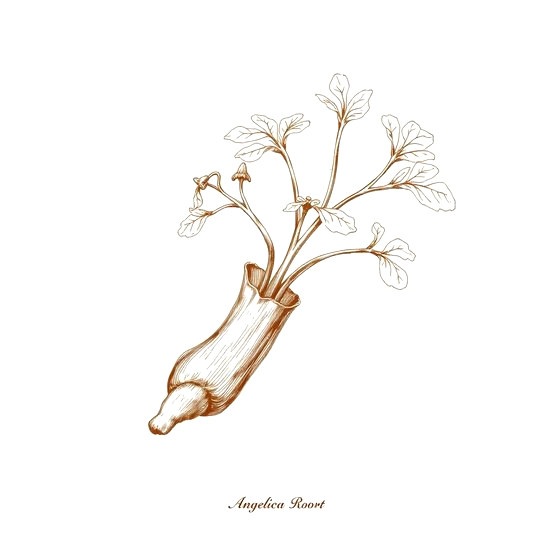
Dangui 當歸
Angelica sinensis
Replenishes Blood · Invigorates Blood (Korean)
Traditional RecordsReplenishes Blood · Invigorates Blood — Responsible for blood circulation in Samultang.
Ingredient · RoleFerulic acid · Ligustilide.
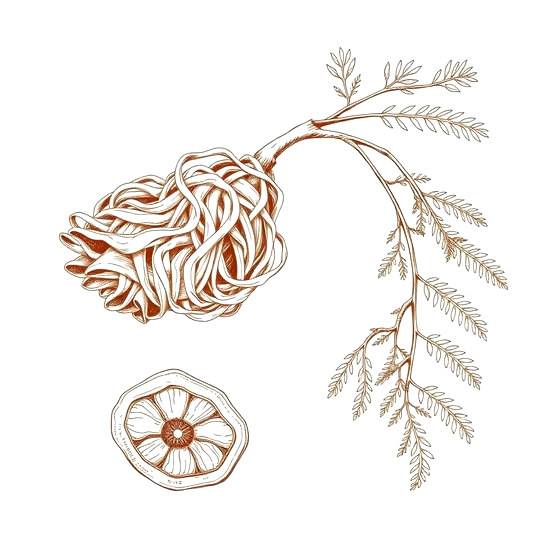
臣
Cheongung 川芎
Ligusticum chuanxiong
Invigorates Blood · Aids Circulation (Korean)
Traditional RecordsInvigorates Blood · Relieves Pain — Promotes the flow of blood-replenishing herbs to prevent stagnation.
Ingredient · RoleTetramethylpyrazine.
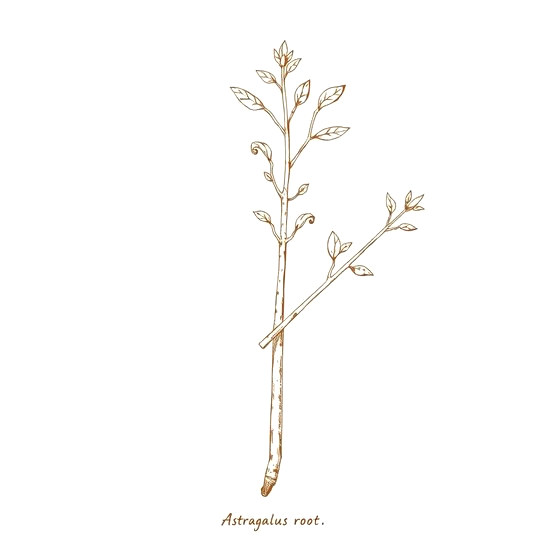
臣
Hwanggi 黃芪
Astragalus membranaceus
Replenishes Qi · Strengthens Weiqi (衛氣) (Korean)
Traditional RecordsThe herb Donguibogam identifies as a primary Qi tonic. It strengthens Weiqi, which protects the body externally.
Ingredient · RoleAstragaloside.
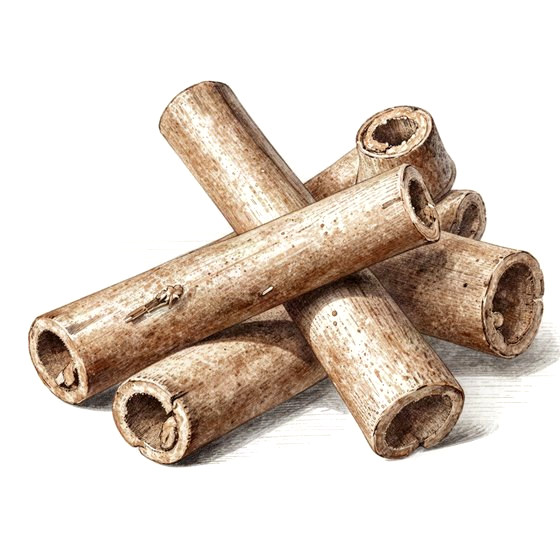
佐
Gyepi 桂皮
Cinnamomum cassia (bark)
Warms Circulation · Opens Pathways (Vietnamese)
Traditional RecordsWarms Circulation (溫通) · Pungent & Warm (辛溫) — Pairs with Hwanggi to open pathways for Qi to travel.
Ingredient · RoleCinnamaldehyde. The only imported raw ingredient (from Vietnam).
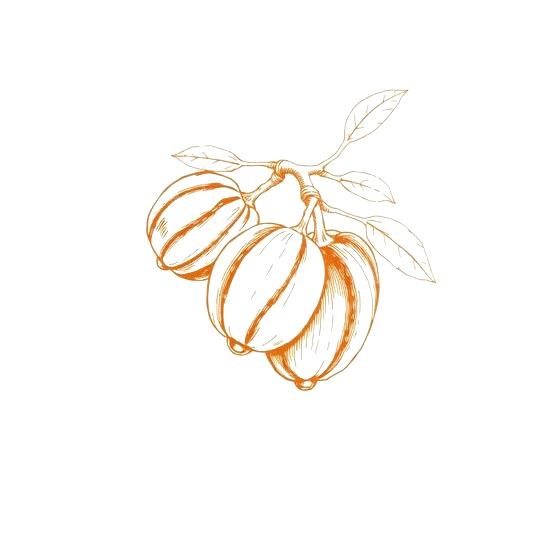
佐
Daejo 大棗
Ziziphus jujuba
Strengthens Spleen · Harmonizes (Korean)
Traditional RecordsStrengthens Spleen (補脾) · Harmonizes (緩和) — Mellows the sharpness of strongly flavored herbs.
Ingredient · RoleCyclic AMP · Polysaccharides.
佐
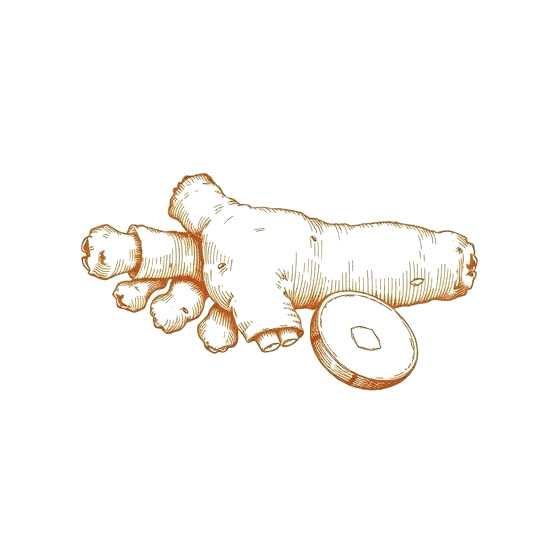
Saenggang 生薑
Zingiber officinale
Protects Stomach · Aids Absorption (Korean)
Traditional RecordsA traditional combination that protects the stomach and intestines, aiding absorption and enhancing the efficacy of tonics.
Ingredient · RoleGingerol.
使
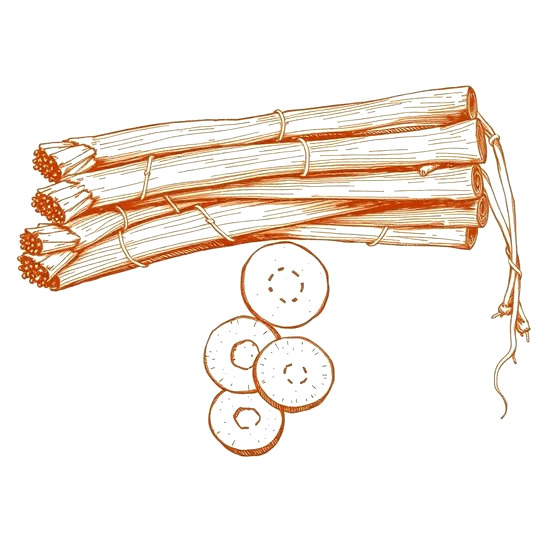
Gamcho 甘草
Glycyrrhiza uralensis
Harmonizes · Delivers (Uzbekistan)
Traditional RecordsThe final harmonizer of the nine herbs. Responsible for moderation (緩急) · harmony (調和) · and delivery (引經).
Ingredient · RoleGlycyrrhizin. We use Gamcho from Uzbekistan.
※ Raw Ingredients: Plant extract blend 98.5% [Purified water, Paeonia lactiflora (Korean), Astragalus membranaceus (Korean), Angelica gigas (Korean), Ligusticum striatum (Korean), Rehmannia glutinosa (Korean), Cinnamomum cassia (Vietnamese), Ziziphus jujuba (Korean), Zingiber officinale (Korean), Glycyrrhiza uralensis], Honey (Korean) · Product Manufacturing Report No. 20220493072105
※ The herbal information above introduces records from traditional texts such as Donguibogam and does not represent the efficacy or effects of this product.
Composition · Price
Choose the duration that suits you
Start your journey
Guidance after consultation
Choose your option and continue below.
Check before consumption
Consumption Guide
If any of the following apply, please check before consumption
- If you are pregnant or breastfeeding
- If you are undergoing treatment for a chronic illness or taking medication
- If you have allergies to specific ingredients such as Gyepi (cinnamon) or Gamcho (licorice)
- If you are taking blood pressure medication or diuretics (contains Gamcho)
- Contains honey, so infants under 1 year old cannot consume it
Gujeung Gupo Ssanghwa is a general food product (liquid tea), not a medicine. It is not intended for the prevention, treatment, or alleviation of diseases. If any of the above apply to you, please consult a specialist before consumption.
Frequently Asked Questions
FAQ
Is it different from traditional herbal medicine?
Yes, it is different. Ssanghwa is a general food product (liquid tea), not a medicine, so you can purchase it directly without a diagnosis or prescription. However, its composition is exactly the original prescription found in Donguibogam, and the ingredient selection standards are the same as those used in our Korean Medicine Clinic.
What is Gujeung Gupo?
It is a traditional preparation technique of steaming and drying medicinal herbs nine times. This method has been used for hundreds of years to remove the bitter taste of Sukjihwang and stabilize its properties, and it's also why Ssanghwa is easy to drink.
How much should I drink?
Tonic (補) prescriptions are not about immediate effects. We recommend drinking it warm, on an empty stomach in the morning, consistently in units of 3 pouches. One set consists of 30 pouches.
Can I send it as a gift?
Yes. 90ml × 30 pouches are delivered in a gift box. It's a thoughtful gift for parents or elders.
How is it different from Sipjeon?
Ssanghwa focuses on balancing the two pillars of Qi and Blood with 9 herbs, while Sipjeon adds ginseng, Atractylodes rhizome (Baekchul), and Poria to also reinforce Yang. If you're looking to address fatigue and circulation, Ssanghwa is closer; for overall nourishment, Sipjeon is more suitable.
A formulation unchanged for 600 years
Gujeung Gupo Ssanghwa
Purchase Now
A traditional herbal tea brewed with 9 medicinal herbs from Donguibogam's Qi-Blood Dual Replenishment formula, prepared using the Gujeung Gupo method.
100ml × 30 pouches, includes gift box.
Go to Purchase
Proceed to Naver Smartstore