Seongjanggo
More important than feeding them a lot
is ensuring they utilize what they've eaten.

Is your child
experiencing this?
What's truly needed during growth isn't more nutrients,
but a body capable of absorbing and utilizing what's eaten.
If the sequence is wrong, even what's put in won't stay.
30 minutes to finish one meal
Chasing them with a spoon is a daily routine. After just two or three spoonfuls, they claim to be full and get up, leaving you to start and end your day looking at unfinished meals.
Always at the front of the line every semester
When lined up, they're always at the front. Every time you receive their physical exam results, you immediately check how much they've changed from last year.
Tires easily with minimal activity
While peers keep playing, your child is the first to sit down. Even after just two after-school activities, they're exhausted by evening, and they catch colds every change of season.
Picky eating, only consuming a few specific foods
They refuse meat and vegetables, always sticking to the same side dishes. Forcing them to eat often leads to stomachaches that evening, making it difficult to push too hard.
Seongjanggo is not a food product.
It is a herbal medicine prescribed by a Korean medicine doctor after consultation.
Seongjanggo approaches with
three key principles
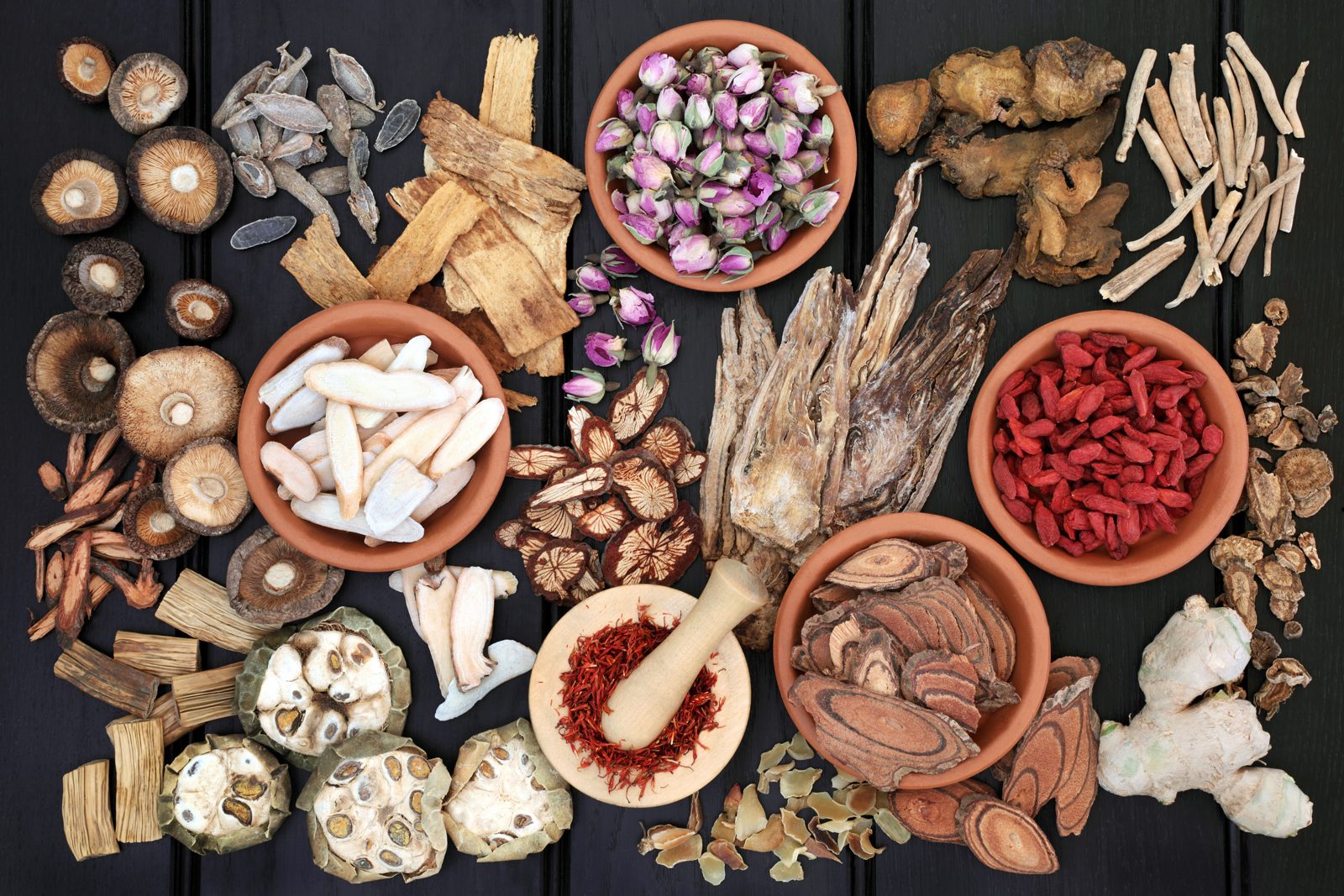
Thirteen medicinal herbs are grouped into three core pillars.
We openly disclose which herbs belong to each pillar.
Promote Digestion · Stimulate Appetite
This pillar opens the door to eating. Many children who don't eat well aren't simply not hungry; their stomachs are already bloated. Sansam helps digest fatty stagnation, Maega breaks down grain stagnation, while Singok and Nabokja alleviate fullness, creating space for the next meal.
Warm the Middle · Strengthen the Spleen
This pillar builds the receptive 'vessel.' Following the Sogeonjung-tang composition, it warms a cold and sensitive stomach, making digestion comfortable. Jak-yak eases abdominal tension for children who complain of stomachaches after eating, and the sweetness of Gyo-i helps children consume it without resistance.
Replenish Qi · Strengthen Musculoskeletal System
This pillar replenishes the materials for growth. It becomes meaningful only after the first two pillars are established. Nokyong supports musculoskeletal development, Hwanggi bolsters stamina and defensive capabilities, and Yonganyuk supplements Qi and blood, helping children sleep soundly at night.
Why We Don't Start with a Tonic
The most common approach for children who aren't growing is to add more 'good' things: increasing deer antler and nutritional supplements.
However, for children who don't eat well, starting with a potent tonic can actually upset their stomachs further. This leads to them eating even less, and consequently, growing less. If the body cannot absorb beneficial substances, they won't be utilized.
Seongjanggo reverses this sequence. First, it clears blockages to open the way (Sansam · Maega · Singok · Nabokja), then it warms a cold and sensitive stomach to create a receptive 'vessel' (Sogeonjung-tang composition), and finally, it replenishes materials with Nokyong · Hwanggi.
More important than feeding them a lot is enabling them to utilize what they've eaten. This is a 'Jun-Sin-Jwa-Sa' (君臣佐使) formulation, where thirteen ingredients each play a specific role, and it's also why Seongjanggo discloses all its ingredients.
A receptive body,
mechanisms confirmed by research
We verify the functions of the herbal ingredients in Seongjanggo,
through publicly available research. Each paper also indicates
which aspect of this prescription it supports.
※ The above information refers to publicly available research on the herbal ingredients and components used in Seongjanggo, and does not guarantee the efficacy of a specific product. Results may vary for individuals.
Seongjanggo is
crafted directly by us
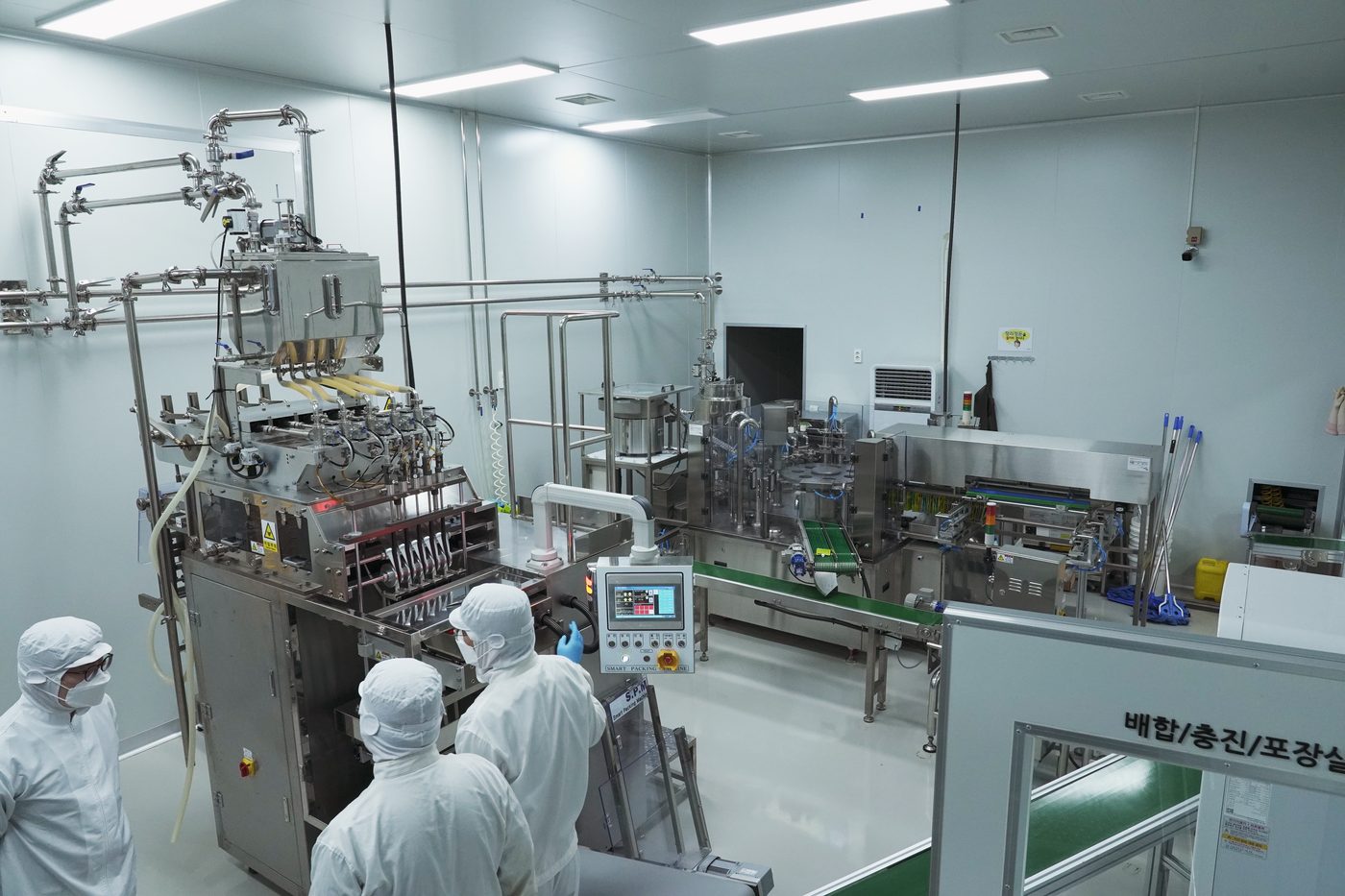
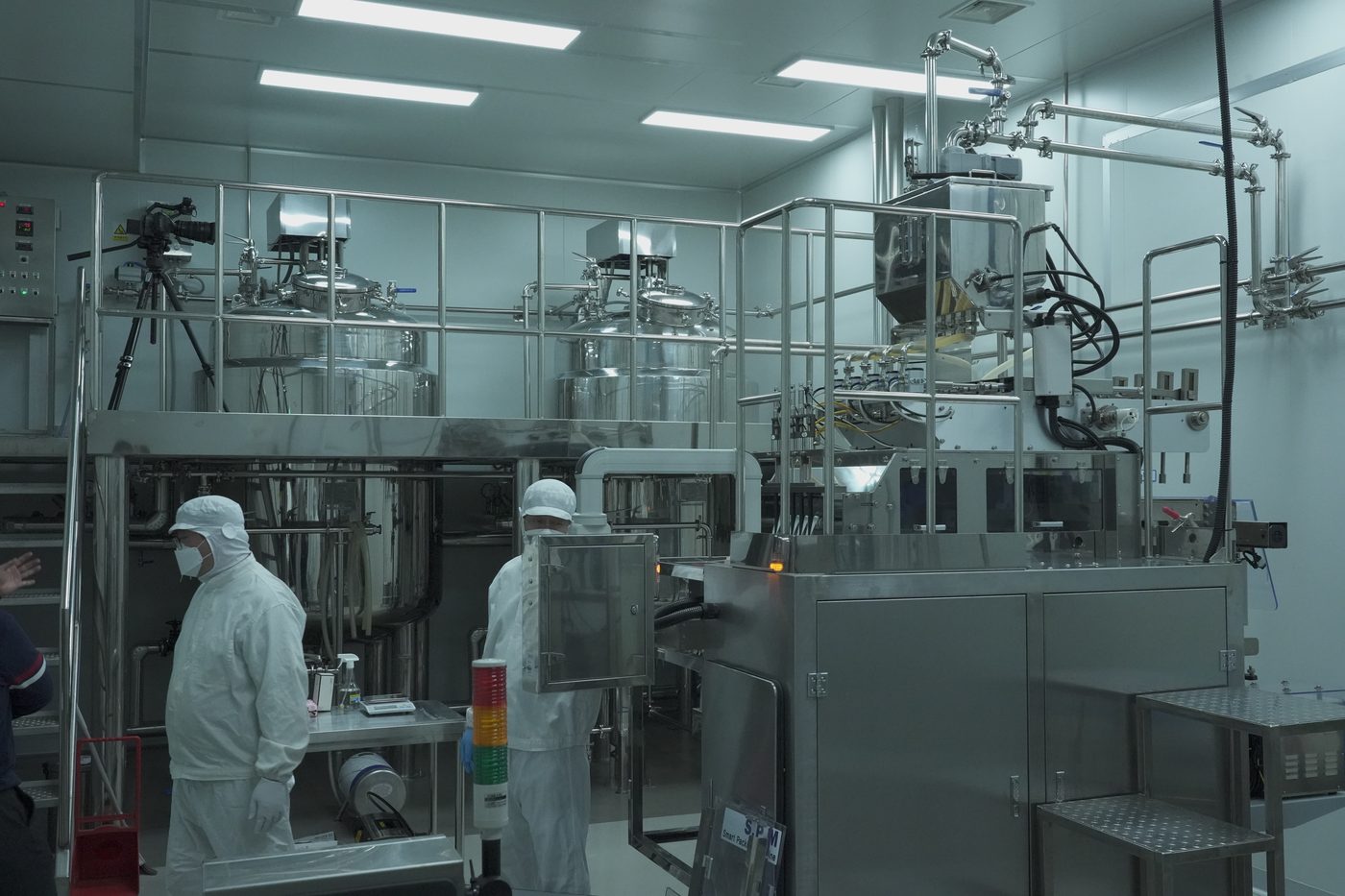
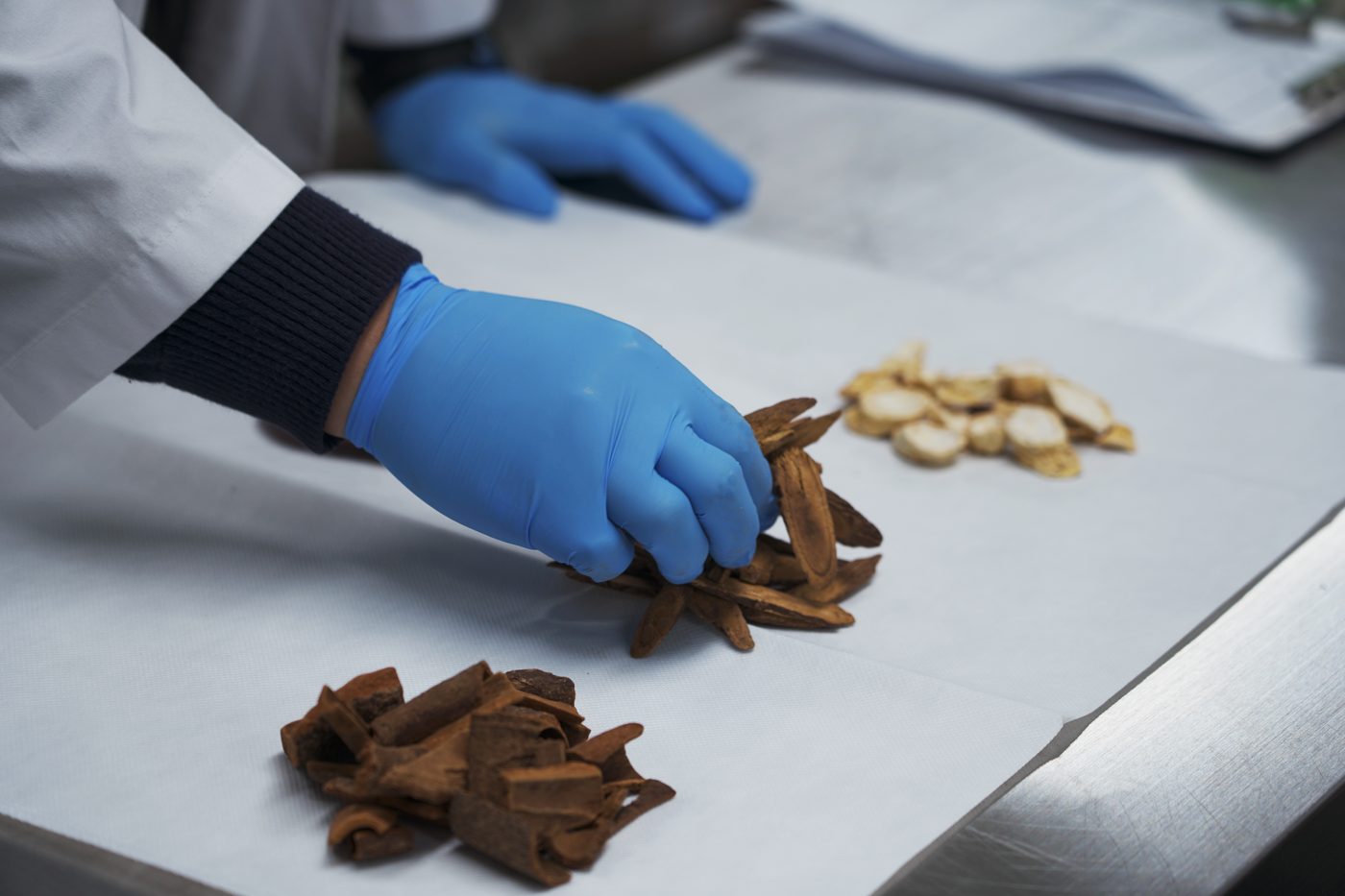
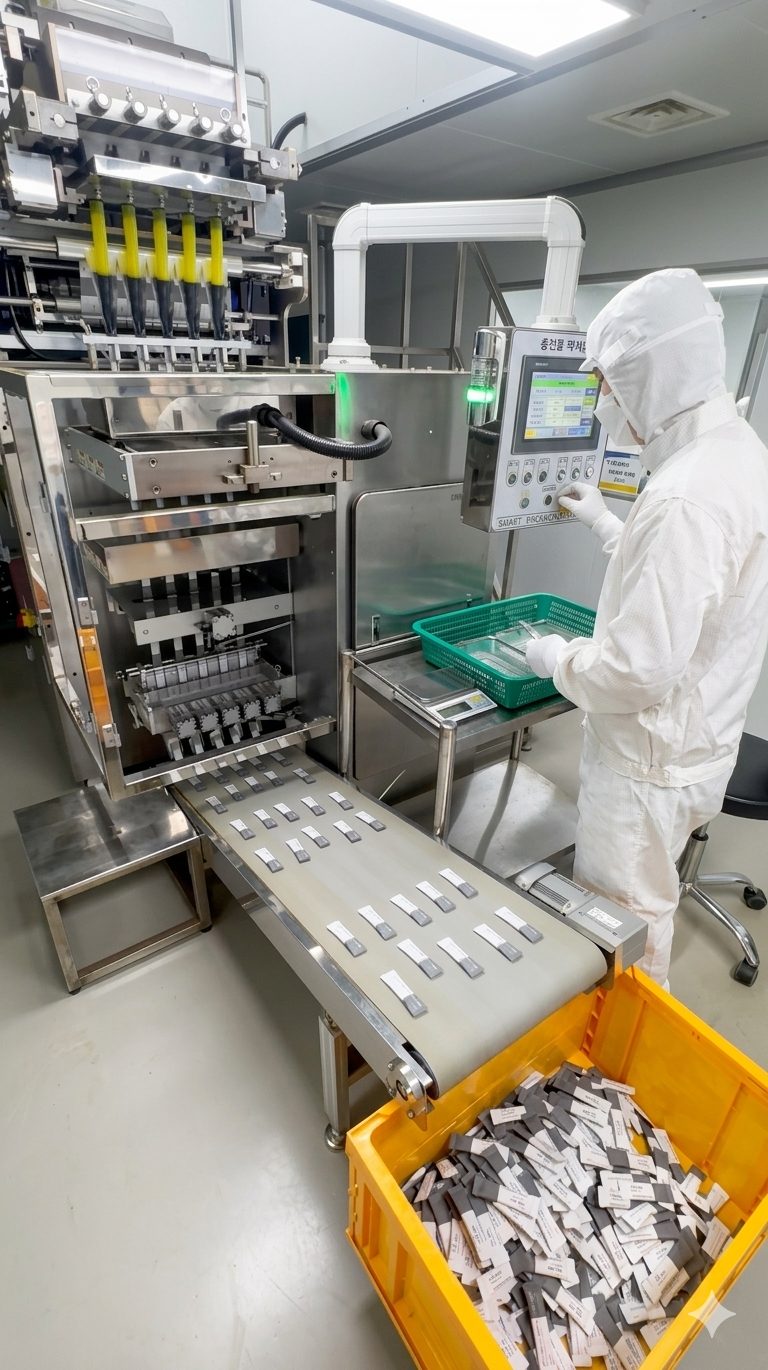
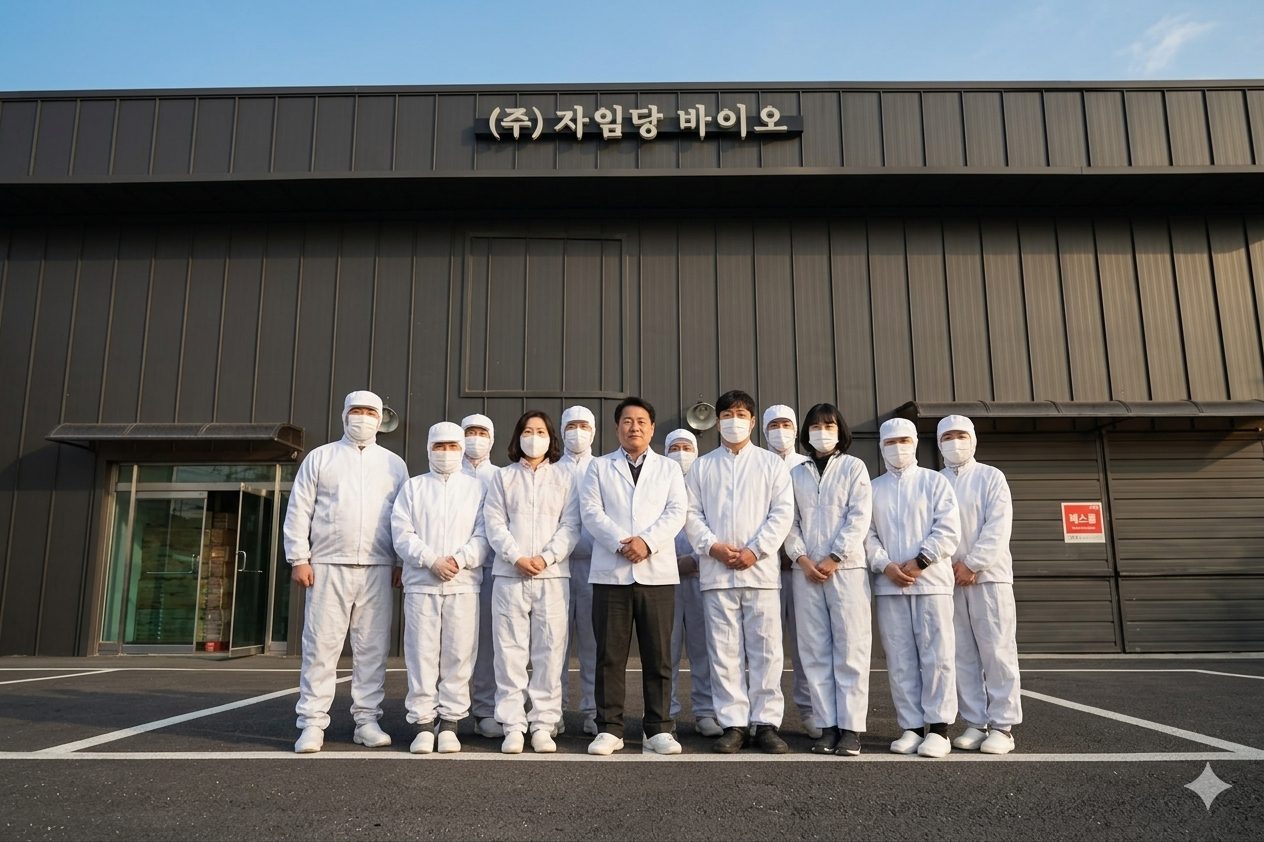
Herbal ingredients used
Testing completed
Prescription and blending
Certified
Not outsourced production, but at the Paju External Herbal Preparation Facility designated by the Ministry of Health and Welfare,
we directly handle everything from prescription, preparation, inspection, to packaging.
Jaimdang Korean Medicine Clinic




We determine prescriptions based on an individual's constitution and lifestyle.
Even for the same symptoms, we do not prescribe the same medicine.
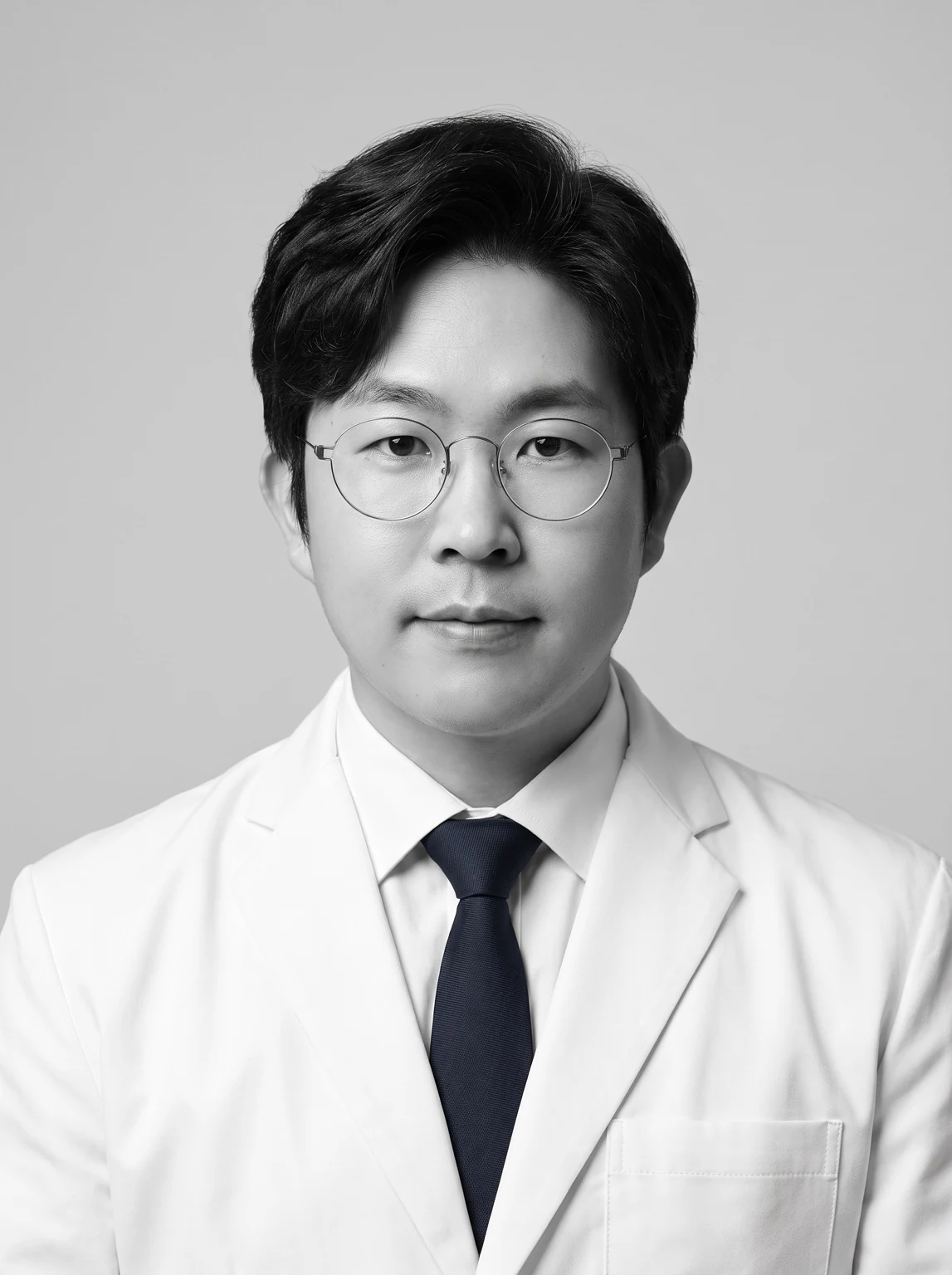
JAIMDANG Clinic Director
Jeong Hyunjae
PhD in Korean Medicine
Why JAIMDANG?
Clinical experience in one place
We have not changed our prescriptions to follow trending ingredients. For 11 years, we have maintained the same approach in the same location, and the accumulated responses during this time have shaped our current formulations.
Cumulative patient data
The basis for our decisions—whether to prioritize digestive remedies for certain children or reduce tonic dosages in other cases—comes from real-world experience. Records from over 200,000 cumulative consultations guide our prescriptions.
Prescriptions chosen across borders
Beyond Korea, we prescribe to patients in 24 countries, including Japan and the United States. Our experience with patients of varying dietary habits and physiques has broadened our range of intensity adjustments.
In-house manufacturing, not outsourced
We directly operate the Paju External Herbal Preparation Facility designated by the Ministry of Health and Welfare. Since everything from herbal ingredient reception to blending, inspection, and packaging is completed in one place, it is possible to adjust the formulation ratios to suit each patient.
Prescriptions are determined by a Korean medicine doctor after reviewing the consultation details.
Even for the same Seongjanggo, the intensity and formulation vary for each individual.
Herbal Ingredient Composition ·
Efficacy and Mechanisms
Formulated according to the Jun-Sin-Jwa-Sa (君臣佐使) principle.
We disclose both the traditional Korean medicine mechanisms and pharmacological mechanisms of each ingredient.
Explore all ingredients and formulation
Gyo-i 膠飴
Nourishes the Spleen and Stomach, eases consumption
Warms the middle, tonifies deficiency, eases urgency — The chief herb in Sogeonjung-tang, warming and nourishing the Spleen and Stomach.
Maltose. A gentle energy source that enhances a child's compliance with consumption.
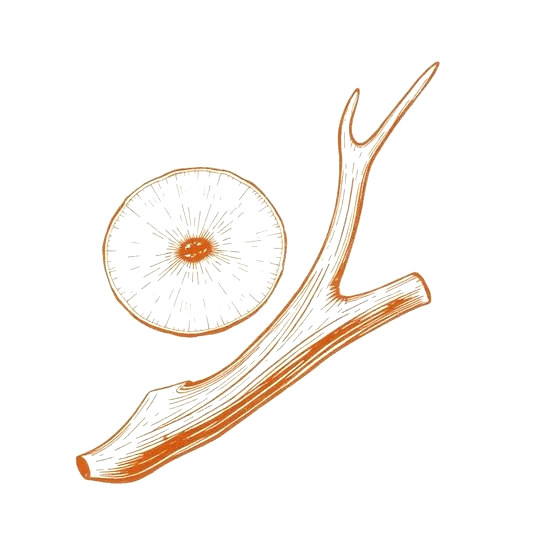
Nokyong 鹿茸
Supports musculoskeletal development
Tonifies Kidney Yang, benefits essence and blood, strengthens bones and muscles — Replenishes Kidney essence (腎精) to fortify bones and muscles.
Peptides, collagen, minerals. Research related to bone metabolism and cartilage development has been reported.
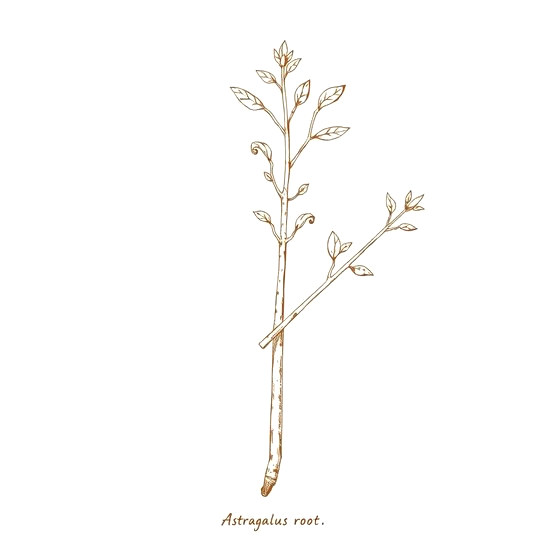
Hwanggi 黃芪
Boosts Qi · Strengthens Immunity
Tonifies Qi, raises Yang, consolidates the exterior — Replenishes Qi to support stamina and defensive capabilities.
Astragaloside IV. Immunomodulatory, anti-inflammatory, and antioxidant actions.
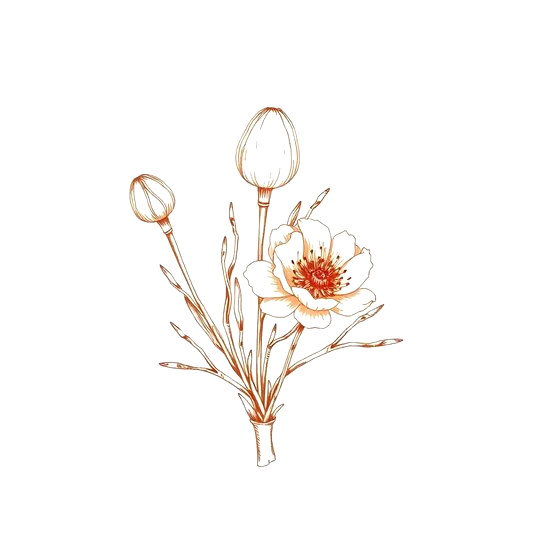
Jak-yak 芍藥
Eases Urgency · Calms
Nourishes blood, astringes Yin, eases urgency, stops pain — Together with Gyo-i, it alleviates abdominal tension.
Paeoniflorin. Smooth muscle relaxation, antispasmodic action.
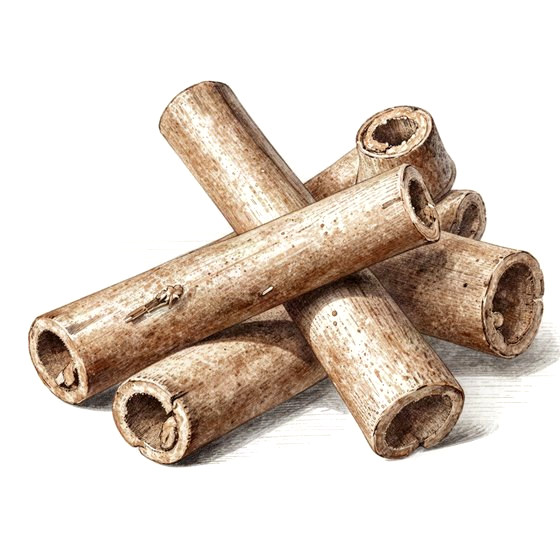
Gyepi 桂皮
Warms Yang · Promotes Circulation
Warms the middle, disperses cold, unblocks Yang — Warms the interior to aid circulation.
Cinnamaldehyde. Vasodilation, digestive aid.
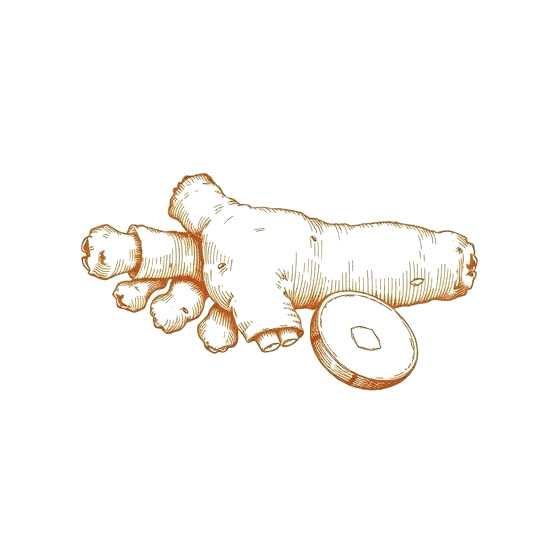
Saenggang 生薑
Warms the Middle
Warms the middle, harmonizes the Stomach — Warms the stomach to aid digestion.
Gingerol. Promotes gastrointestinal motility, anti-nausea action.
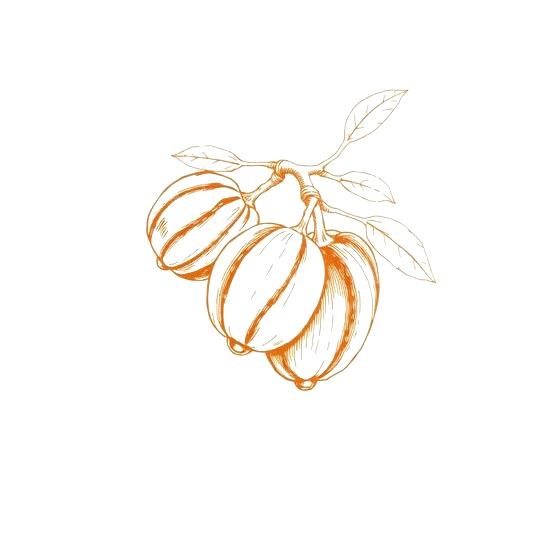
Daejo 大棗
Supports Spleen and Stomach, harmonizes
Tonifies the middle, benefits Qi, moderates medicinal properties — Supports the Spleen and Stomach, moderates the properties of other herbs.
Polysaccharides, flavonoids. Tonic, antioxidant.
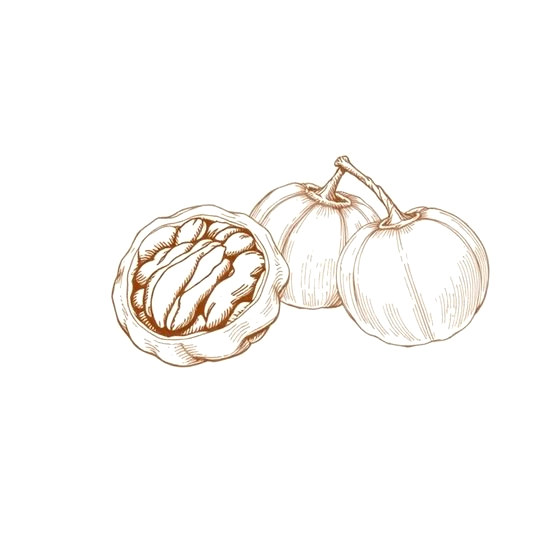
Yonganyuk 龍眼肉
Nourishes Qi and Blood · Calms the Spirit
Tonifies Heart and Spleen, nourishes blood, calms the spirit — Nourishes the Heart and Spleen for both nutrition and tranquility.
Polysaccharides, polyphenols. Antioxidant, tonic.
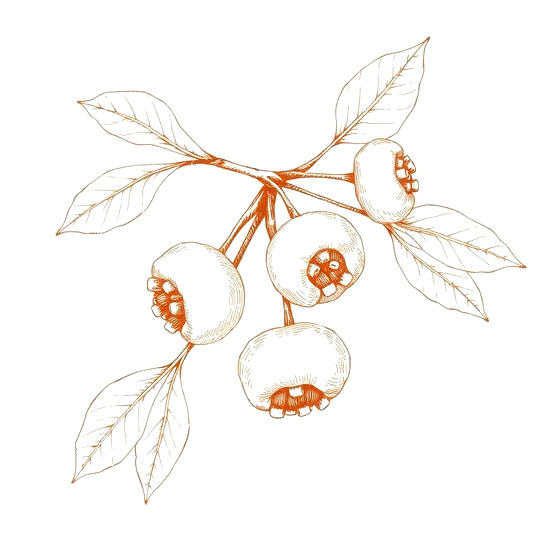
Sansam 山査
Aids Digestion
Promotes digestion, transforms stagnation — Digests stagnation from meat and greasy foods.
Flavonoids, organic acids. Promotes digestive enzyme secretion.
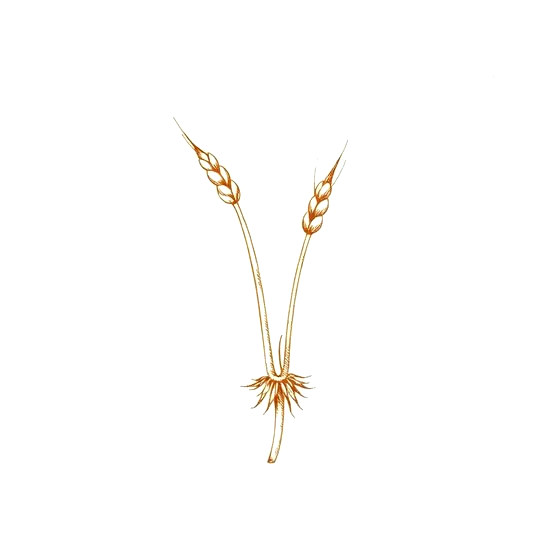
Maega 麥芽
Digestion · Appetite
Promotes digestion, harmonizes the middle, stimulates appetite — Digests grain stagnation and enhances appetite.
Enzymes such as amylase. Aids starch digestion.
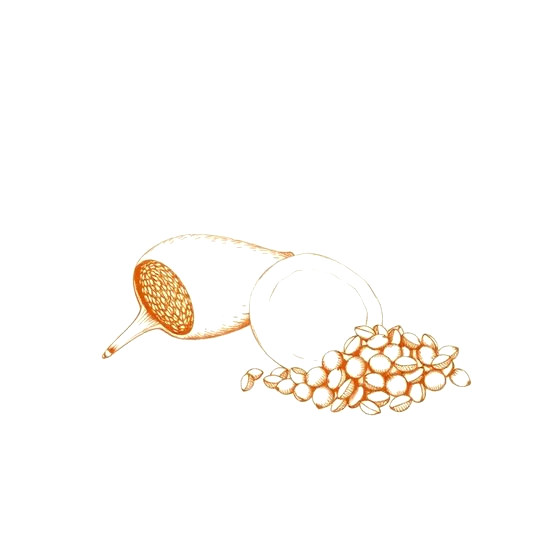
Nabokja 萊菔子
Digestion · Relieves Food Stagnation
Promotes digestion, eliminates distention, descends Qi — Relieves food stagnation and abdominal fullness.
Volatile oils, sinapine. Promotes gastrointestinal motility.
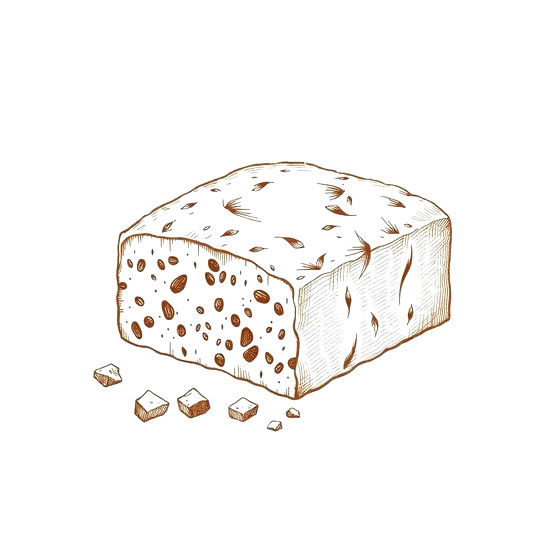
Singok 神麯
Aids Digestion
Promotes digestion, harmonizes the Stomach — A fermented herb that aids digestion.
Fermentation enzymes, microorganisms. Aids digestion.
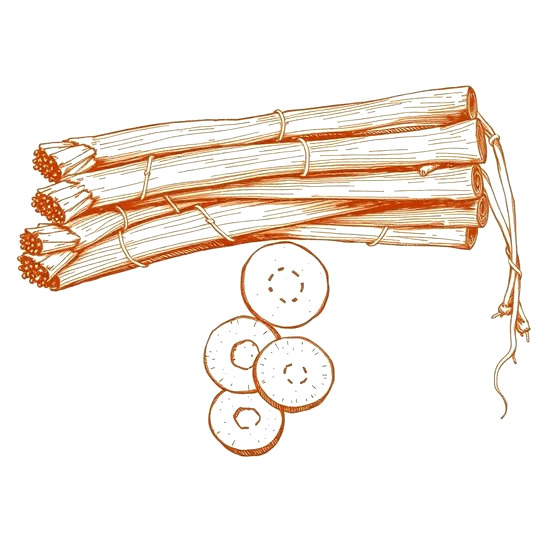
Gamcho 甘草
Harmonizes the Prescription
Harmonizes other herbs, eases urgency — Harmonizes the properties of various medicinal ingredients.
Glycyrrhizin. Anti-inflammatory, soothing actions.
Formulation ratios are adjusted according to the prescription stage, and the final composition is determined after consultation with a Korean medicine doctor.
Choose the duration that suits you
Start your journey
Choose your option and continue below.
Medication Guide
If any of the following apply, please inform us during your consultation
- If secondary sexual characteristics have appeared earlier than peers (the timing of administration needs re-evaluation)
- If the child has atopic dermatitis, allergies, or reactions to specific foods
- If the child is currently receiving medical treatment, such as growth hormone therapy
- If the child generally has a high body temperature, sweats excessively, or experiences frequent diarrhea
Seongjanggo is a customized herbal medicine formulated by a Korean medicine doctor after assessing the child's constitution and condition. Even for children of the same age, the formulation differs between those who don't eat well and those who eat well but aren't growing. During consultation, the composition is determined after reviewing dietary habits, sleep, growth rate, and the presence of secondary sexual characteristics.
FAQ
From what age can my child take this?
The criteria are the child's digestive condition and growth stage, rather than just age. During the consultation, after checking the child's age, height, weight, dietary habits, and presence of secondary sexual characteristics, we first determine if now is the appropriate time for administration.
Will my child grow taller if they take this?
We do not promise a specific height increase. Seongjanggo is a prescription designed to help children eat well, digest well, and provide the materials for musculoskeletal growth. Final height is influenced by a combination of genetics, sleep, exercise, and nutrition. We will set realistic goals together during the consultation.
What does it taste like? Will my child drink it?
As Gyo-i (maltose) is the chief ingredient, it has a sweet taste and is easy to swallow in liquid form. Children who usually struggle with bitter herbal decoctions tend to take it relatively well, but if there's strong resistance, we will adjust the administration method together.
How long should my child take it?
Growth is observed in terms of months. Typically, changes in appetite, stamina, and frequency of minor illnesses are seen first. We then determine the next period and composition based on these observed changes.
Understand your child's current state
and begin with precision.
After reviewing dietary habits, sleep, and growth rate via KakaoTalk,
our Korean medicine doctor will guide you on the optimal timing and composition.