Seboksan
Dieting alone isn't enough.
Releasing what's accumulated lightens your body.
Are you familiar
with days like these?
Constipation is often dismissed as something that passes.
However, it quietly erodes your daily condition and body shape.
30 minutes in the morning bathroom
Your morning routine is consumed by bathroom time. You sit, scrolling on your phone, only to get up without relief, leaving you feeling uneasy all day.
Bloated lower abdomen the day after a company dinner
It feels like last night's meal has been lingering in your belly for three days. Your face and legs are swollen in the morning, and your waist feels tight by evening. The amount remaining was more of a problem than the amount consumed.
Several days of constipation whenever you travel
Your rhythm is disrupted when your bathroom changes. You have no bowel movement for three or four days, only to return home. Your stomach is a constant concern throughout your enjoyable trip.
Probiotics and fiber only help for the first few days
You've tried switching products multiple times, but they only offer 'potential help.' For urgent relief, you resort to over-the-counter laxatives, gradually increasing the dosage.
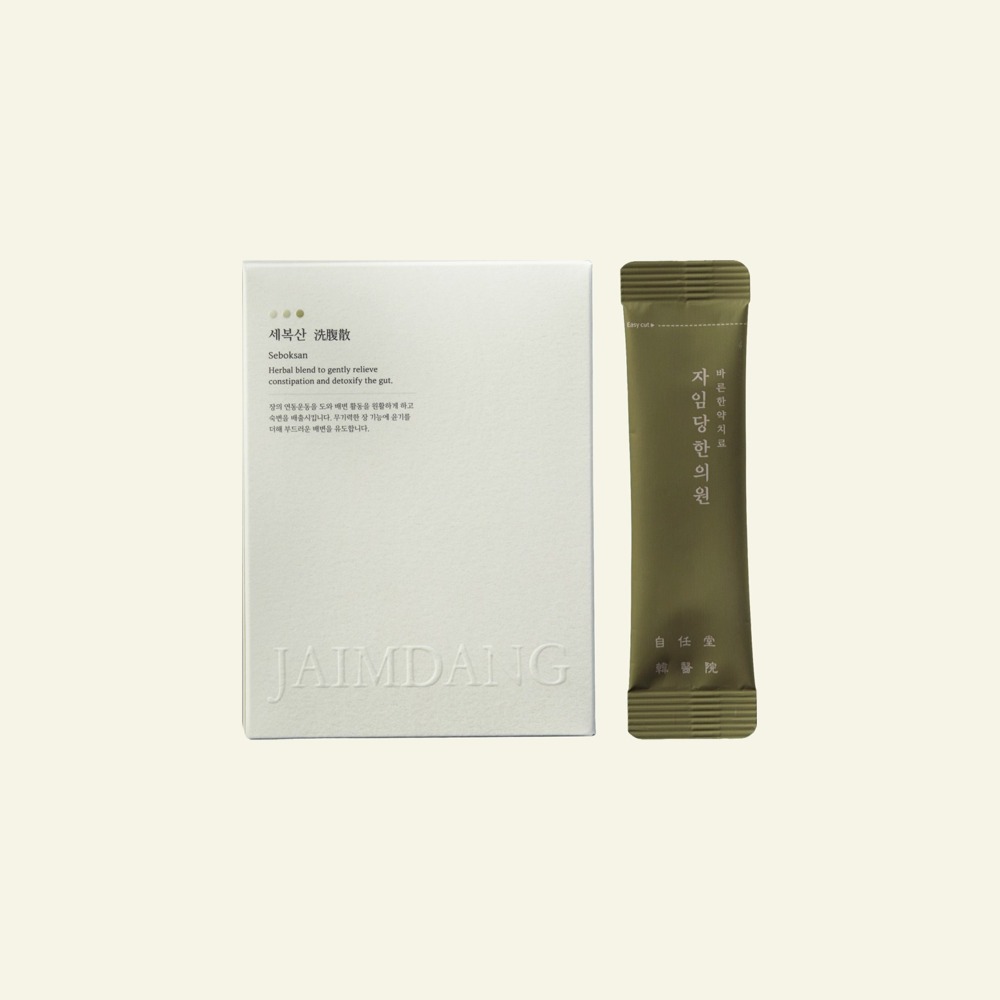
Seboksan is not a food product.
It is a custom herbal medicine prescribed by a Korean medicine doctor after consultation.
The power of cleansing,
mechanisms confirmed by research
We reveal what the ingredients in Seboksan do, confirmed by published research. Each paper
details which aspect of this formula it supports.
※ The information above is based on published research on the ingredients and components used in Seboksan, and does not guarantee the efficacy of any specific product. Results may vary by individual.
Seboksan approaches
from three angles
Six medicinal herbs are grouped into three core functions.
We clearly state which herb serves which function.
Cleansing & Laxative
This function expels accumulated stagnation in the intestines. Rhubarb stimulates the colon's nerve plexus to resume peristalsis, while Glauber's salt draws water into the intestines via osmosis, softening hard stools. Though their methods differ, their goal is the same.
Lubricating & Softening
This function prepares the path before expulsion. The fatty oils in peach kernels smooth the intestinal lining, and the mucilage in psyllium husk increases stool volume and water content. It creates a state where passage is possible without forceful pushing.
Circulation & Buffering
This function settles the body after cleansing. Cinnamon twig opens circulation in the cold, hardened lower abdomen to prevent lingering heaviness, while licorice suppresses excessive intestinal contractions, buffering sharp, cramping sensations.
Why not use a single ingredient for expulsion?
The fastest way to induce a bowel movement is to use a strong stimulant laxative. It is effective—for the first few days.
The problem arises afterward. Relying solely on stimulation leads to significant side effects like abdominal pain, cramping, and watery diarrhea. Once the stimulation stops, the rhythm returns to its previous state. This is why people become dependent on the medication.
This is why Seboksan uses six ingredients. The stimulant effect (rhubarb) is used minimally, while osmotic (Glauber's salt), lubricating (peach kernel), and swelling (psyllium husk) effects share the burden. Circulation (cinnamon twig) and buffering (licorice) then address the lingering heaviness and irritation after cleansing.
Instead of using one ingredient intensely, six ingredients share the load gently. This is the principle of herbal formulation in Korean medicine known as 'Gun-Shin-Jwa-Sa' (Monarch, Minister, Assistant, Envoy), and it's why Seboksan discloses all six ingredients.
Seboksan is
made in-house

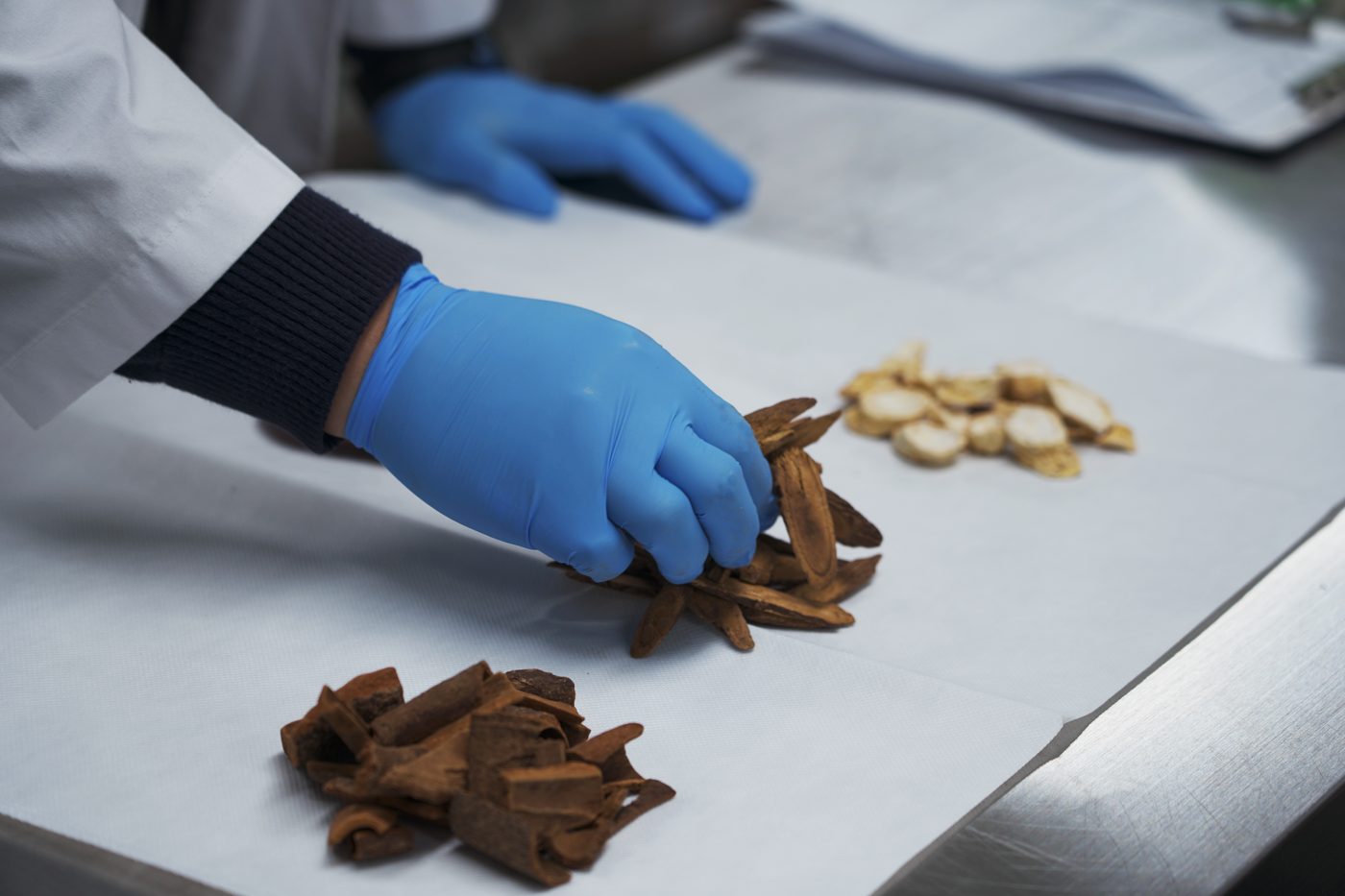

Herbal Ingredients Used
Tested and Cleared
by Expert Korean Medicine Doctors
Certified
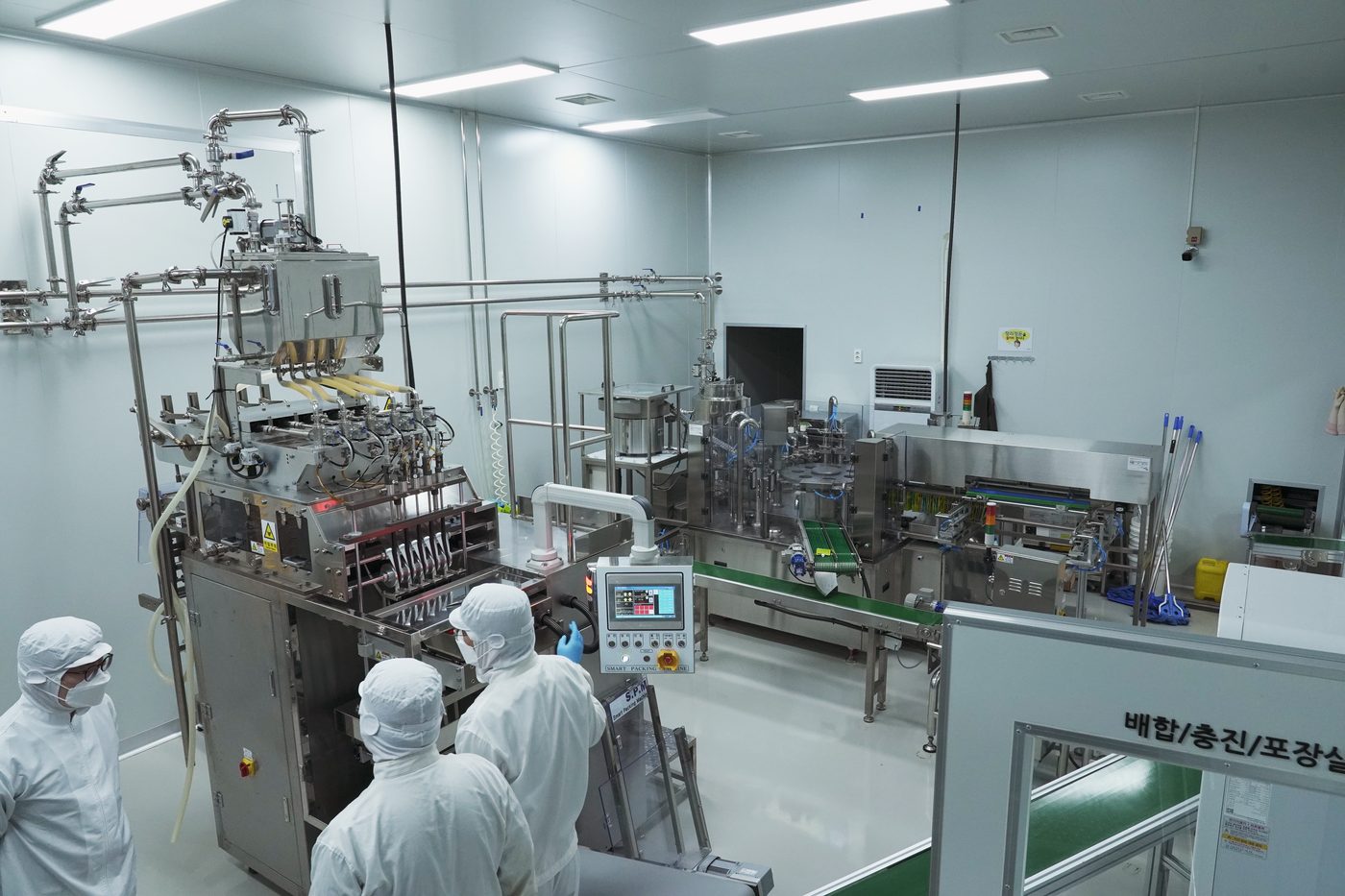
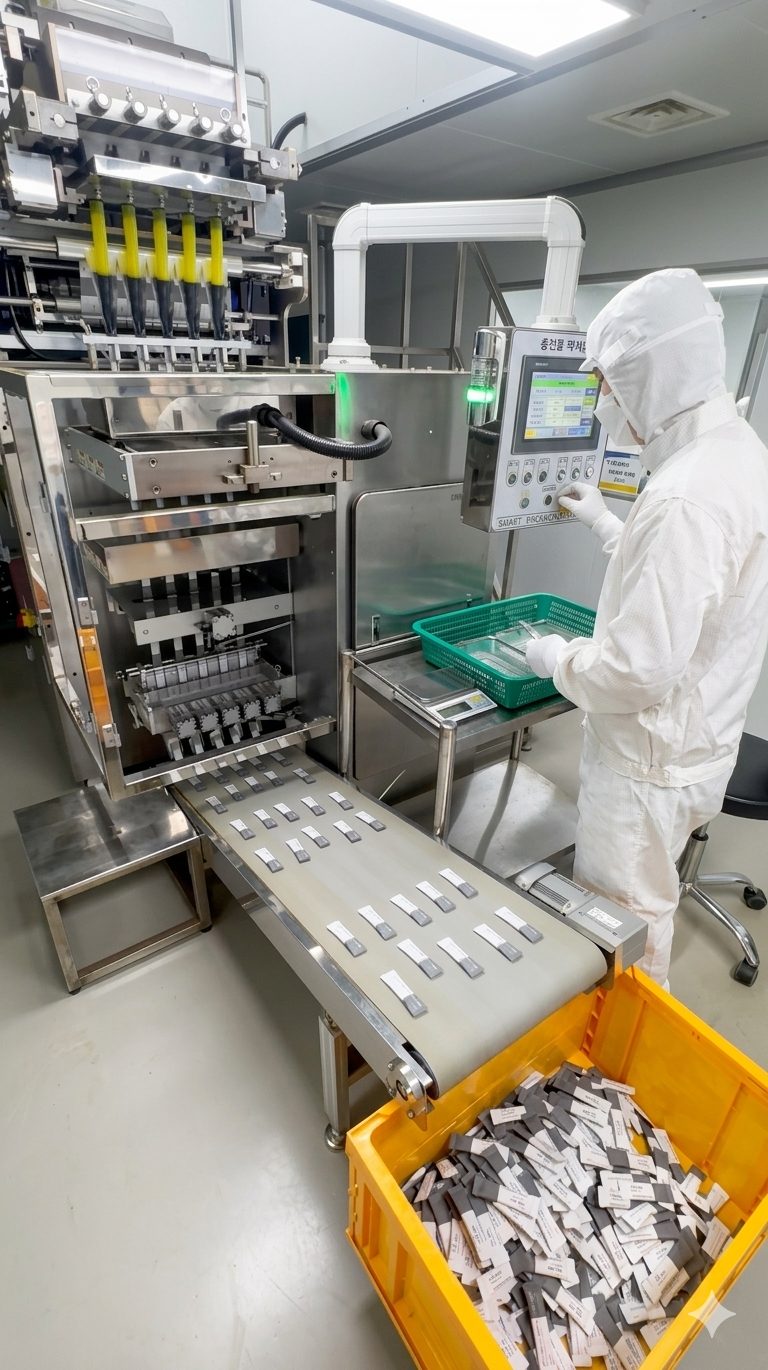
Instead of outsourcing, we directly manage prescription, preparation, quality control, and packaging at our Ministry of Health and Welfare-designated Paju External Herbal Preparation Center.
JAIMDANG Korean Medicine Clinic




We prescribe based on an individual's constitution and lifestyle.
We do not use the same prescription for the same symptoms.

JAIMDANG Clinic Director
Jeong Hyunjae
PhD in Korean Medicine
Why JAIMDANG?
Clinical experience in one place
We haven't changed our prescriptions to chase trending ingredients. For 11 years, we've practiced in the same location with the same approach, and the accumulated patient responses have shaped our current formulations.
Cumulative Clinical Data
We've learned which strengths were excessive for certain constitutions and in which cases buffering needed to be increased—our judgments are based on case studies. The records of over 200,000 cumulative patients serve as the basis for our prescriptions after consultation.
Prescriptions chosen across borders
We prescribe to patients in 24 countries, including Japan and the United States, beyond Korea. Experience treating patients with diverse dietary habits and body types has broadened our ability to adjust dosage strengths.
In-house manufacturing, not outsourced
We directly operate a Ministry of Health and Welfare-designated Paju External Herbal Preparation Center. From ingredient reception to formulation, quality control, and packaging, everything is handled in one place, allowing us to customize formulation ratios for individual patients.
The prescription is determined by a Korean medicine doctor after reviewing the consultation details.
Even for the same Seboksan, the strength and formulation vary by individual.
Ingredient Composition &
Efficacy and Mechanisms
Formulated according to the Gun-Shin-Jwa-Sa (Monarch, Minister, Assistant, Envoy) principle.
We reveal the Korean medicinal and pharmacological mechanisms of each ingredient.
Explore all ingredients and formulation
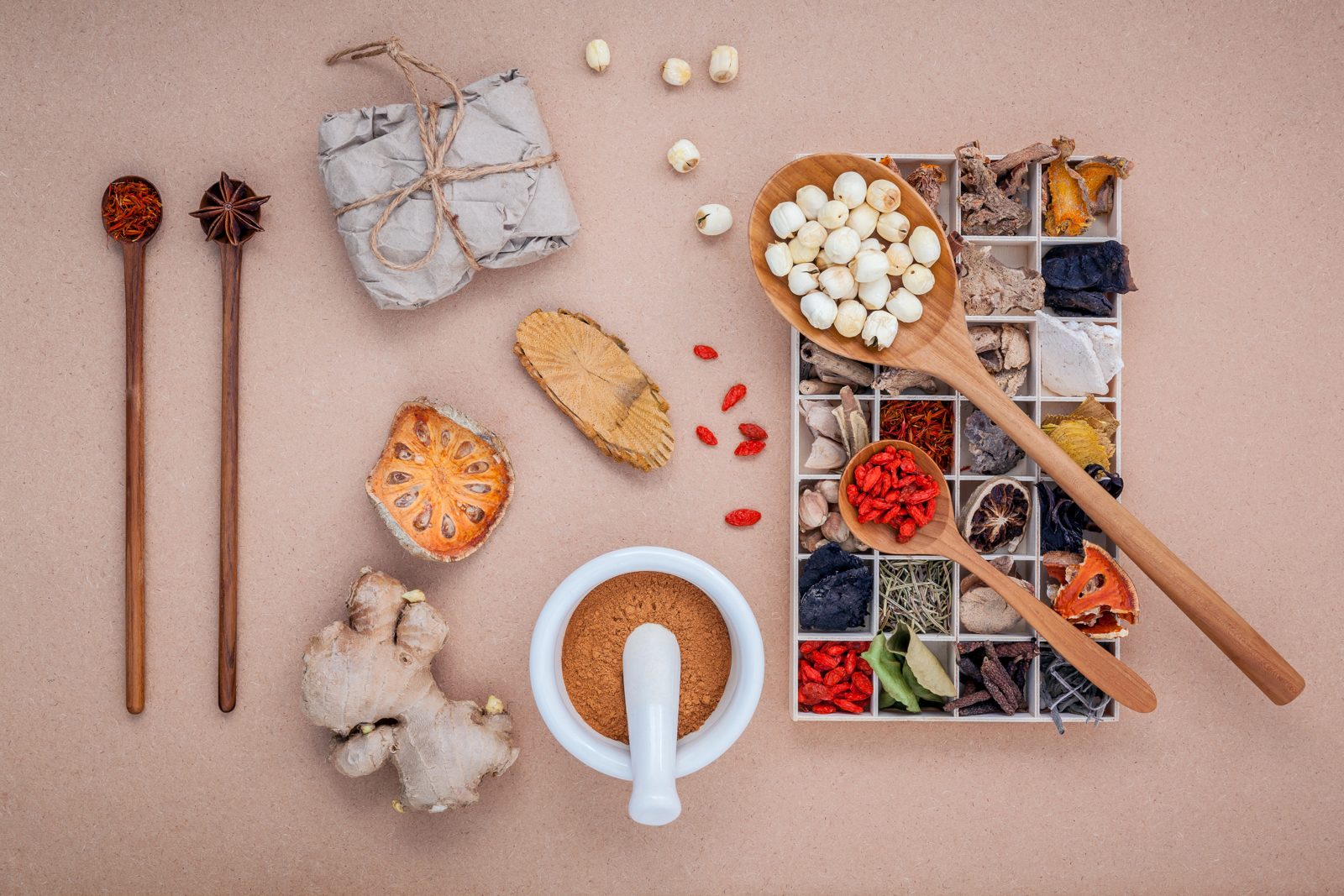
Rhubarb 大黃
The core of bowel cleansing (瀉下)
Clears stagnation in the intestines and stomach through 'Gongha' (攻下) and 'Doche' (導滯), and promotes bowel movement by resolving blood stasis with 'Hwalhyeolgeo-eo' (活血祛瘀).
Anthraquinone derivatives like sennosides are metabolized into rhein anthrone in the colon, stimulating the enteric nervous system and increasing peristalsis and water secretion, thus exerting a laxative effect.
Glauber's Salt 芒硝
Softens hard stools
With its salty and cold properties, it softens hardened and dry stools ('Yeongyeon-yunjo' 軟堅潤燥) and clears accumulated heat.
Sodium sulfate creates osmotic pressure in the intestinal tract, drawing water to soften and increase the volume of stool, promoting defecation.
Peach Kernel 桃仁
Invigorates blood & Lubricates intestines
Addresses blood stasis in the lower abdomen and constipation simultaneously through 'Hwalhyeolgeo-eo' (活血祛瘀) and intestinal lubrication for bowel movement.
Abundant fatty oils and amygdalin lubricate the intestinal lining and improve local blood flow, facilitating smoother stool passage.
Psyllium Husk 車前子皮
Expels waste with fiber
With sweet and cold properties, it promotes urination, clears heat, and lubricates the intestines for smooth passage.
Water-soluble mucilage absorbs water, increasing stool volume and water retention (bulking laxative effect), and also acts as a prebiotic substrate for intestinal fermentation.
Cinnamon Twig 桂枝
Warms Yang & Promotes circulation
Warms and unblocks meridians ('Ontonggyeongmaek' 溫通經脈) and disperses cold ('Sanhanaegi' 散寒解氣), promoting the flow of Yang energy.
Cinnamaldehyde induces nitric oxide (NO) production in vascular endothelium, improving microcirculation and supporting the recovery of intestinal function.
Licorice 甘草
Harmonizes & Relieves spasms
Harmonizes the properties of various herbs ('Jowahajeyak' 調和諸藥) and relieves acute spasms and pain ('Wangeupjitong' 緩急止痛).
Glycyrrhizin and glycyrrhetinic acid relax excessive smooth muscle contractions and protect the mucous membrane, buffering irritation.
The combination ratio is adjusted according to the prescription stage, and the final composition is determined after consultation with a Korean medicine doctor.
Start with a duration
that suits you
Price and composition are displayed as set in product management.
Medication Guidance
Please inform us during your consultation if any of the following apply to you:
- If you are pregnant, breastfeeding, or planning to become pregnant
- If you frequently experience diarrhea or have a sensitive stomach
- If you have a history of inflammatory bowel disease or intestinal obstruction
- If you are taking medications such as diuretics or cardiac glycosides
Seboksan is a custom herbal medicine prepared by a Korean medicine doctor after assessing your constitution and condition. Bowel response varies individually, so we adjust the strength based on your consultation details. If long-term use is necessary, please consult your dedicated doctor.
FAQ
How is it different from over-the-counter laxatives?
Instead of forcefully expelling with a single ingredient, our goal is to promote smooth flow by combining cleansing (Rhubarb, Glauber's Salt), intestinal lubrication (Peach Kernel, Psyllium Husk), and circulation (Cinnamon Twig). The addition of Licorice to buffer irritation is for the same reason.
Do I need to take it continuously?
No. Once your bowel rhythm is established, we reduce the dosage or discontinue use and transition to maintenance management. Your doctor will guide you on when to make this change.
How much weight will I lose?
Seboksan is formulated to release accumulated waste rather than for direct weight loss. We do not promise specific numbers; instead, we set realistic goals together during your consultation.
Can I take it with other prescriptions?
It is often used concurrently with formulas like Gongbihwan, but the combination and dosage must be determined by a Korean medicine doctor. Do not take them together arbitrarily.
I've been taking over-the-counter laxatives for a long time, is that okay?
We often see patients who have used stimulant laxatives for extended periods. In such cases, we start with a formulation that emphasizes intestinal lubrication (Peach Kernel, Psyllium Husk) and osmotic effects (Glauber's Salt), rather than a strong dose of Rhubarb from the beginning, to reduce dependency on stimulation. Please inform us of the medications you've taken and for how long during your consultation.
Start anew
with a lighter body
After assessing your constitution, lifestyle, and bowel condition via LINE,
a Korean medicine doctor will guide you on dosage and duration.