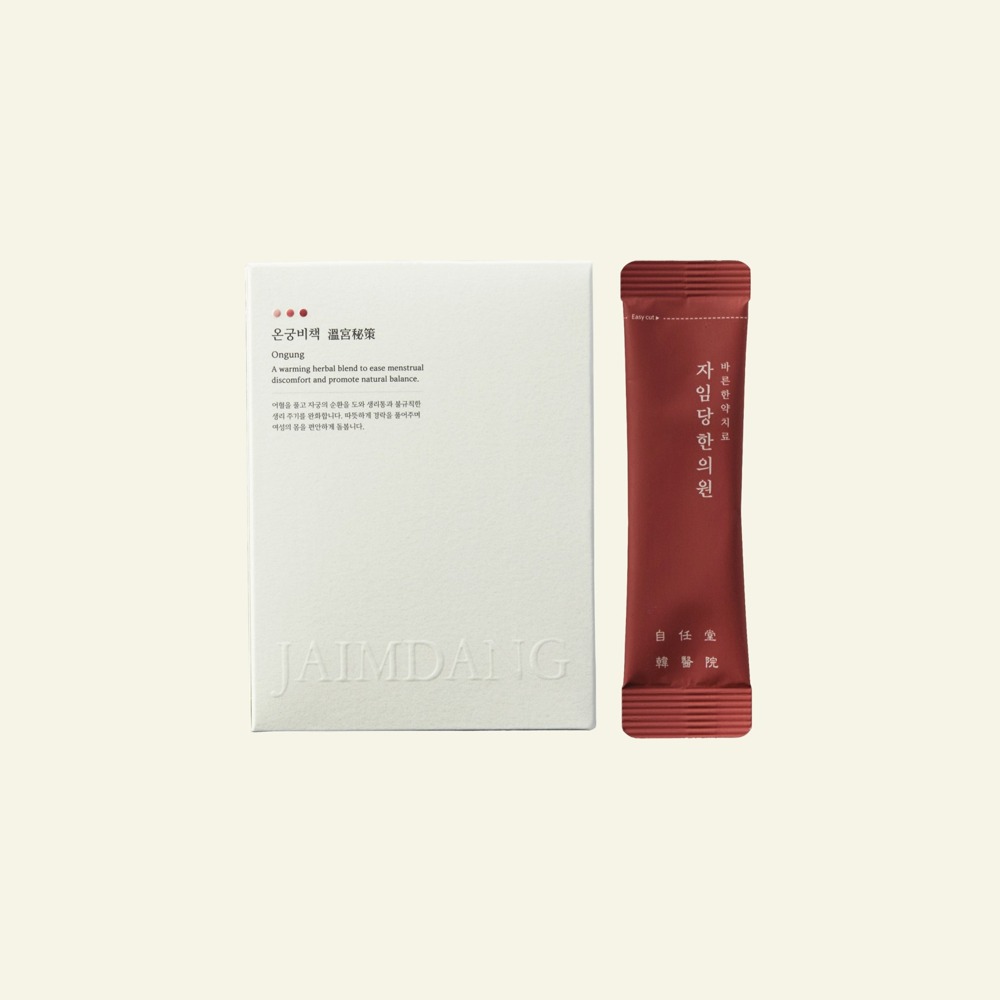
Ongungbichaek
Has enduring it every month
become your normal?
Are you
dreading the arrival of that day?
Menstrual pain is not something you have to endure.
When blood cannot flow out properly and becomes stagnant,
your body signals this through pain.
Painkillers always in your bag
You prepare them the day before it starts. Taking them helps for two or three hours, but only temporarily, and as years pass, you feel the same medication is becoming less effective.
A cycle that's unpredictable, even with a calendar
Last month it was 25 days, this month 38. Unsure when it will begin, you always plan trips and schedules cautiously.
A cold lower abdomen, hands, and feet, even in mid-summer
You often hear that your 'body is cold.' Your abdomen always feels cool to the touch, and on those days, your lower belly feels as heavy as a stone.
Blood discharged in clots
The color is dark, and it comes out mixed with clots. The pain is most severe when these clots pass, and you feel a temporary relief afterward.
Ongungbichaek is not a food product.
It is a herbal medicine prescribed by a Korean medicine doctor after consultation.
Ongungbichaek approaches with
three key principles
Fourteen herbs are grouped into three pillars.
We openly disclose which herb belongs to which pillar.
Warm Uterus · Dispel Cold
This pillar warms a chilled uterus. When the lower abdomen is cold, blood vessels constrict, hindering blood flow. Stagnant blood then clots, leading to pain. Cinnamomi Ramulus warms and opens the meridians, while Zingiberis Rhizoma disperses internal cold. Both herbs have clinical evidence for menstrual pain.
Activate Blood · Resolve Stasis
This pillar works to disperse stagnation. Cnidii Rhizoma, known as the 'Qi herb in blood,' promotes blood circulation. Persicae Semen breaks up stubborn blood stasis, while Moutan Cortex addresses blood stasis accompanied by heat. Angelicae Gigantis Radix replenishes blood, ensuring balance rather than just expulsion.
Buffer · Regulate
This pillar manages pain and swelling. Paeoniae Radix eases uterine smooth muscle spasms, while Bupleuri Radix relieves qi stagnation caused by stress. Poria, Atractylodis Rhizoma Alba, and Alismatis Rhizoma help reduce the swelling and heaviness that often worsen during menstruation.
Why it wasn't formulated like a painkiller
The quickest way to eliminate menstrual pain is to block the pain signals. Indeed, that day passes.
The problem lies in the next month. Blocking signals doesn't address why the pain occurred—whether it's due to cold constriction or stagnant blood that can't exit—so it returns each month with the same intensity on the same day. With prolonged use, you might also feel that the same dosage becomes less effective.
Ongungbichaek changes the conditions that create pain. It warms (Cinnamomi Ramulus · Zingiberis Rhizoma), disperses stagnation (Cnidii Rhizoma · Angelicae Gigantis Radix · Persicae Semen · Moutan Cortex), and in the process, alleviates spasms and swelling (Paeoniae Radix · Bupleuri Radix · Poria · Atractylodis Rhizoma Alba · Alismatis Rhizoma). These fourteen ingredients each address different aspects.
It's not about stopping it once, but about changing the cycle. That's why we consider it on a cycle-by-cycle basis, not just for a single day. It's formulated according to the 'Monarch, Minister, Assistant, Envoy' principle, and it's also why Ongungbichaek discloses all its ingredients.
Allowing what's blocked to flow,
Mechanisms confirmed by research
We verify the functions of the herbal ingredients in Ongungbichaek,
through publicly available research. Each paper also indicates
which aspect of this prescription it supports.
※ The above information refers to publicly available research on the herbal ingredients and components used in Ongungbichaek, and does not guarantee the efficacy of a specific product. Results may vary for individuals.
Ongungbichaek is
crafted directly by us
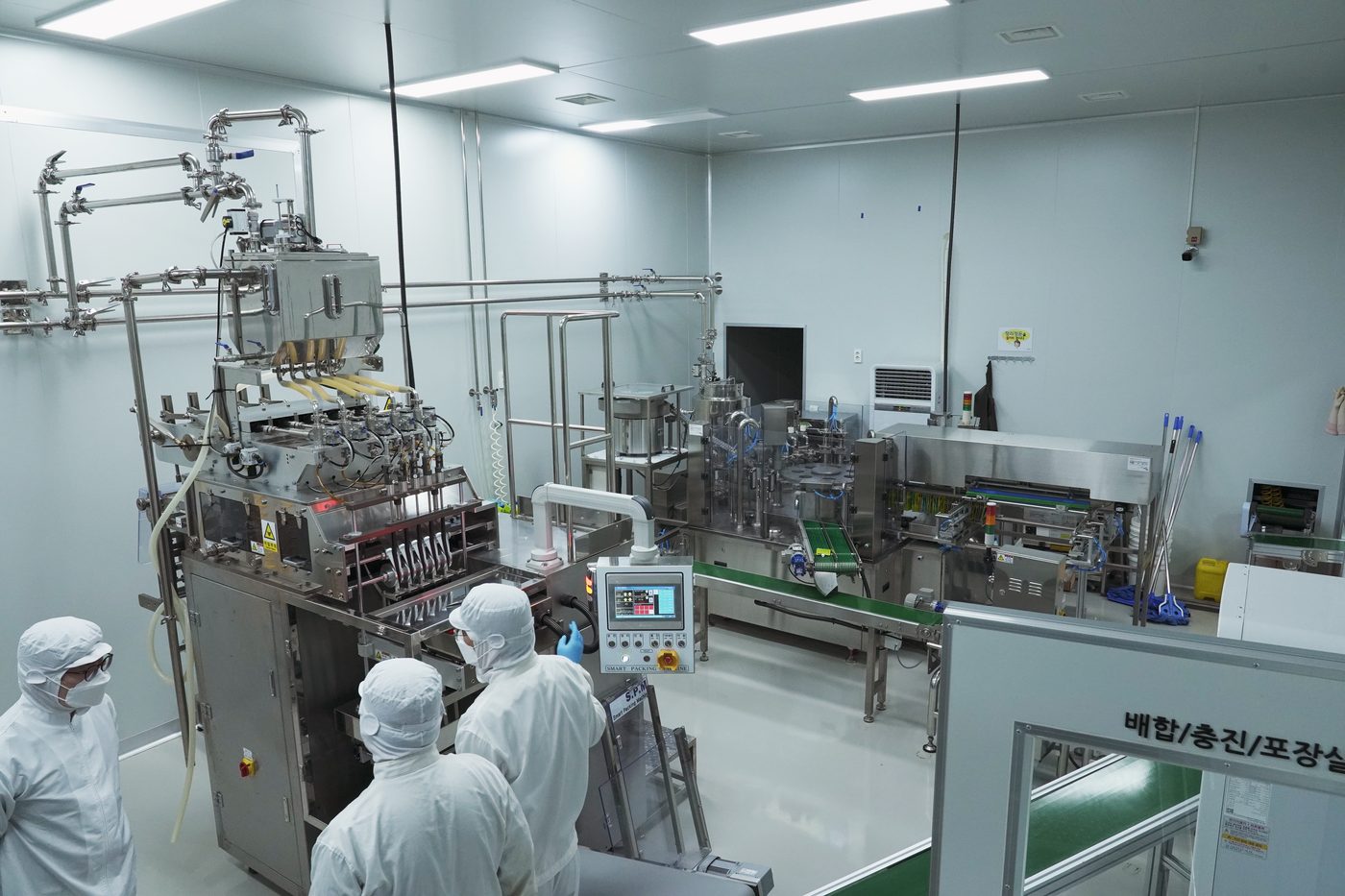

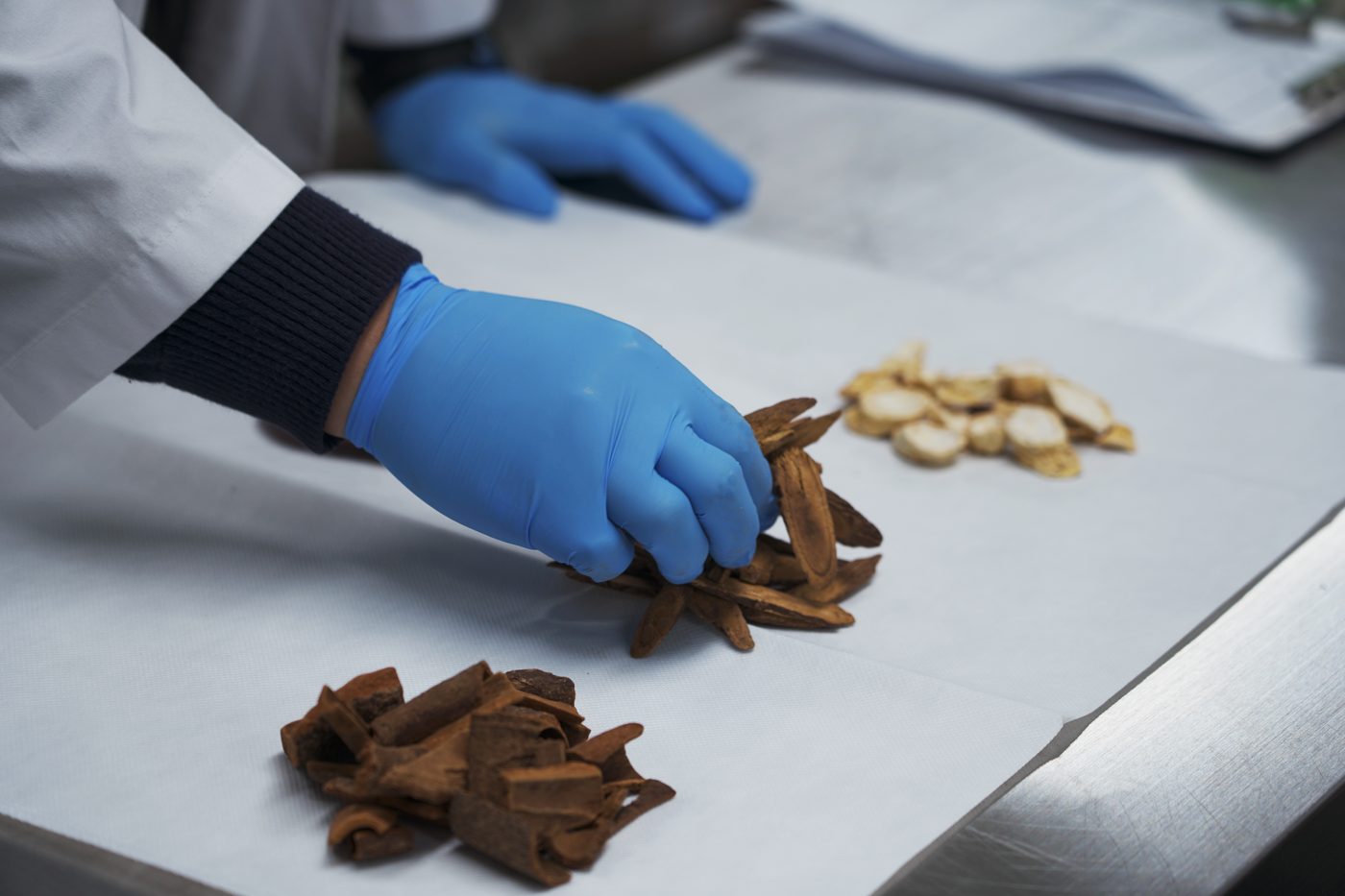
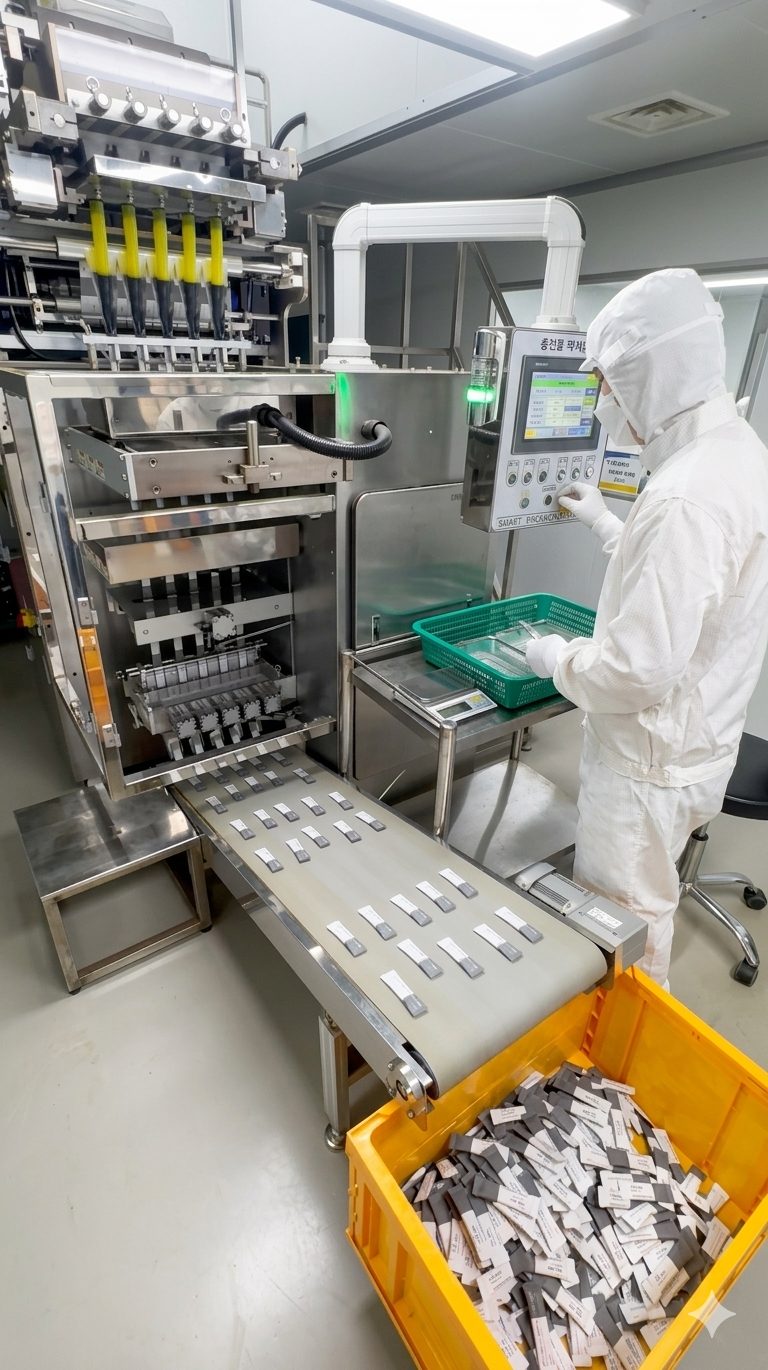
Herbal ingredients used
Testing completed
Prescription and blending
Certified
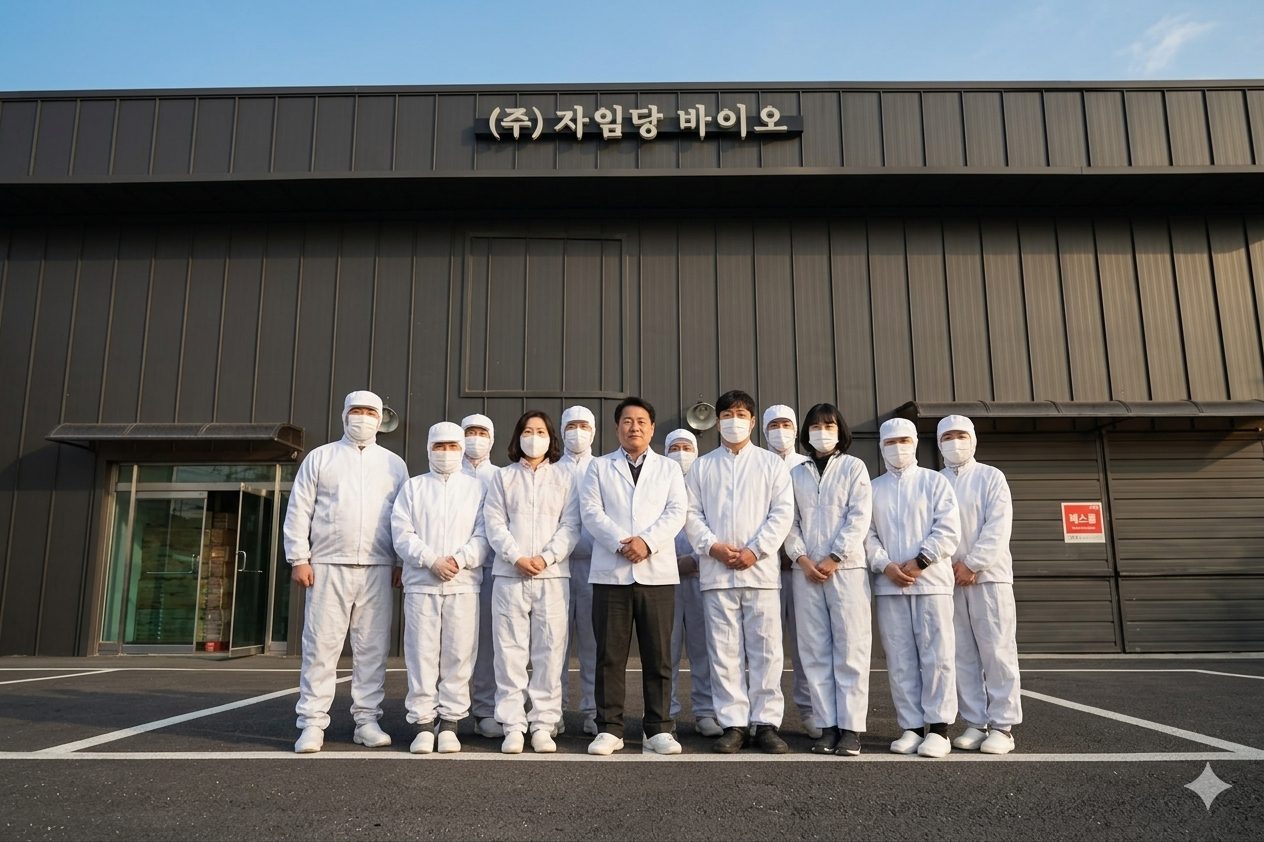
Not outsourced production, but at the Paju External Herbal Preparation Facility designated by the Ministry of Health and Welfare,
we directly handle everything from prescription, preparation, inspection, to packaging.
Jaimdang Korean Medicine Clinic
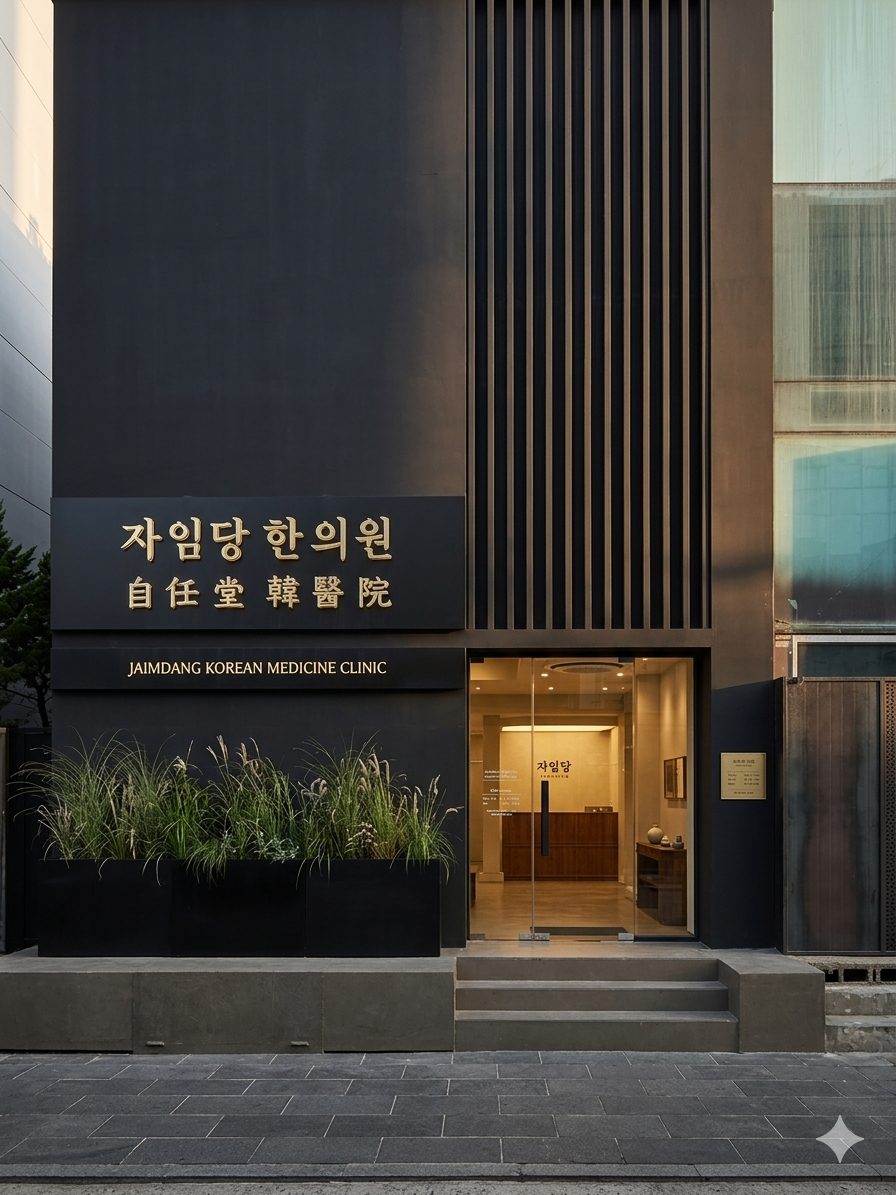


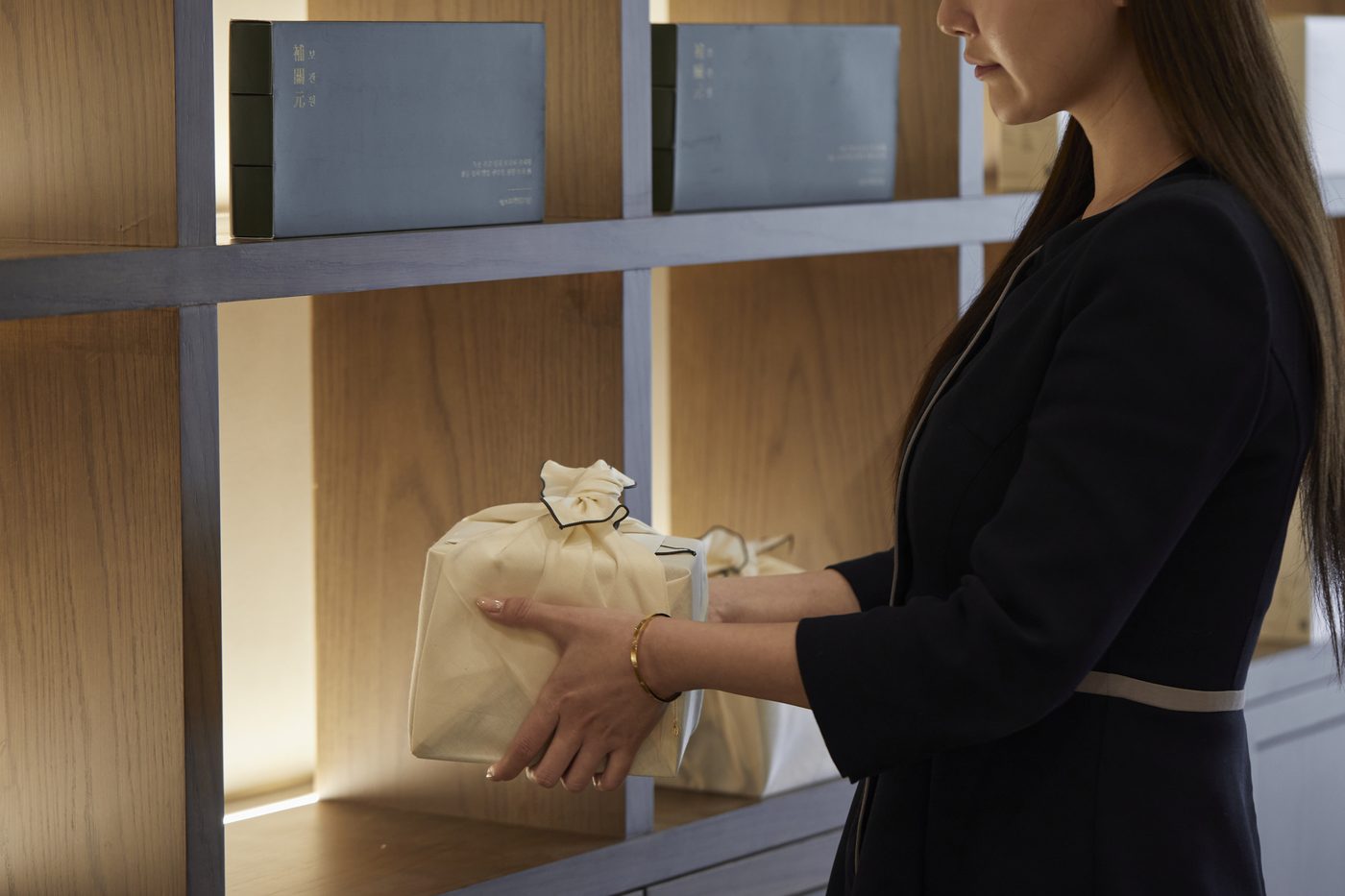
We determine prescriptions based on an individual's constitution and lifestyle.
Even for the same symptoms, we do not prescribe the same medicine.

JAIMDANG Clinic Director
Jeong Hyunjae
PhD in Korean Medicine
Why JAIMDANG?
Clinical experience in one place
We have not changed our prescriptions to follow trending ingredients. For 11 years, we have maintained the same approach in the same location, and the accumulated responses during this time have shaped our current formulations.
Cumulative patient data
The basis for our decisions—whether to promote blood circulation for a specific constitution, or to prioritize clearing heat over warming in certain cases—comes from real-world experience. Records from over 200,000 cumulative patients serve as the standard for determining prescriptions after consultation.
Prescriptions chosen across borders
Beyond Korea, we prescribe to patients in 24 countries, including Japan and the United States. Our experience with patients of varying dietary habits and physiques has broadened our range of intensity adjustments.
In-house manufacturing, not outsourced
We directly operate the Paju External Herbal Preparation Facility designated by the Ministry of Health and Welfare. Since everything from herbal ingredient reception to blending, inspection, and packaging is completed in one place, it is possible to adjust the formulation ratios to suit each patient.
Prescriptions are determined by a Korean medicine doctor after reviewing the consultation details.
Even for the same Ongungbichaek, the intensity and formulation vary for each individual.
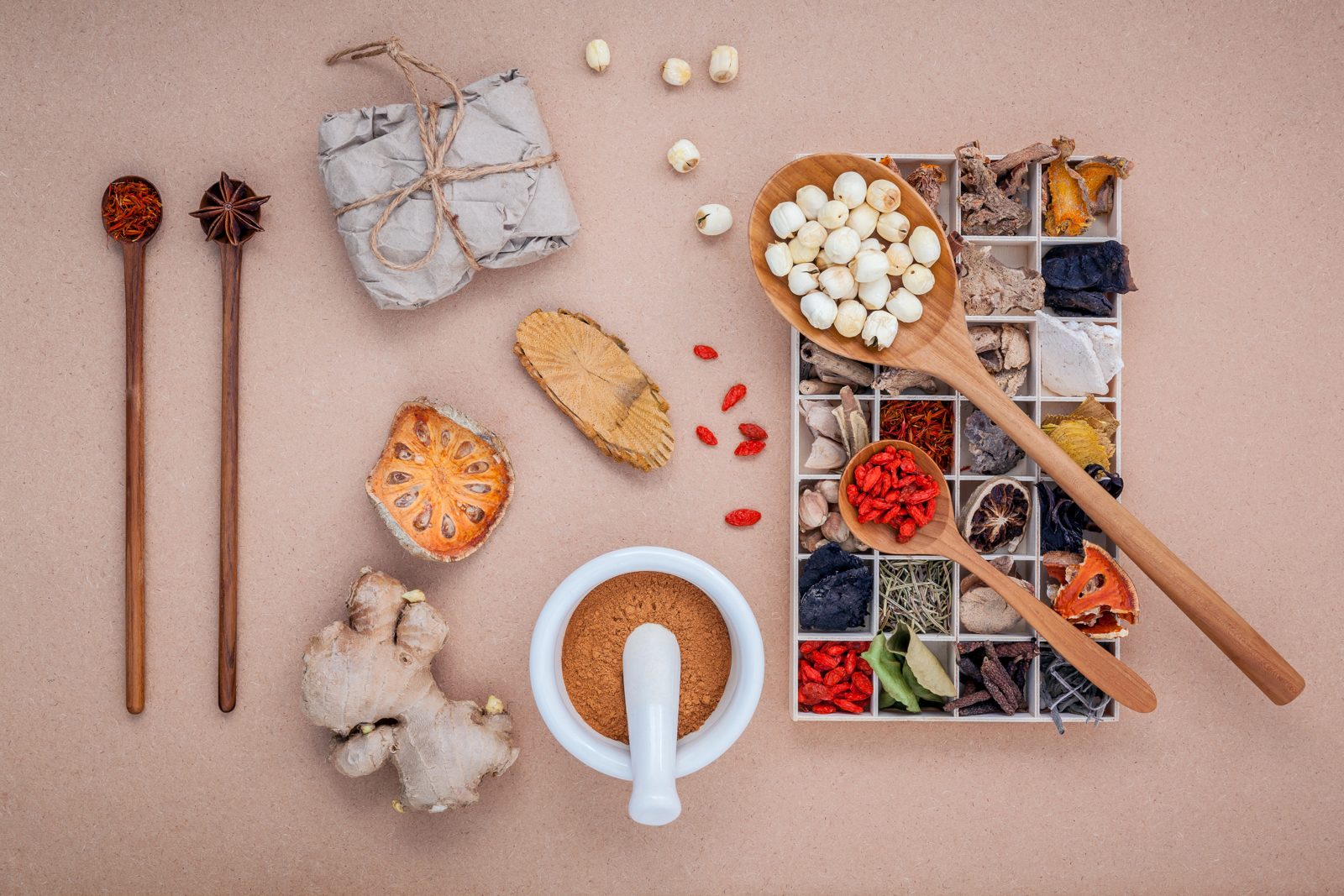
Herbal Ingredient Composition ·
Efficacy and Mechanisms
Formulated according to the Jun-Sin-Jwa-Sa (君臣佐使) principle.
We disclose both the traditional Korean medicine mechanisms and pharmacological mechanisms of each ingredient.
Explore all ingredients and formulation
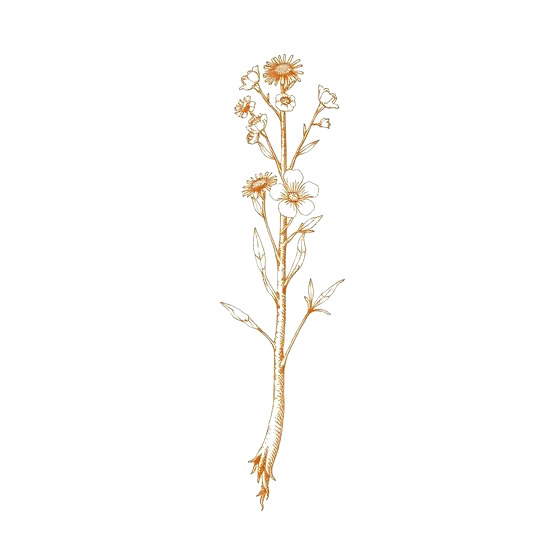
Bupleuri Radix 柴胡
Relieves qi stagnation and promotes flow
Soothes the liver and relieves stagnation, lifts yang — Resolves Liver Qi Stagnation (肝氣鬱結) to restore qi circulation.
Saikosaponin. Anti-inflammatory and anti-stress effects.
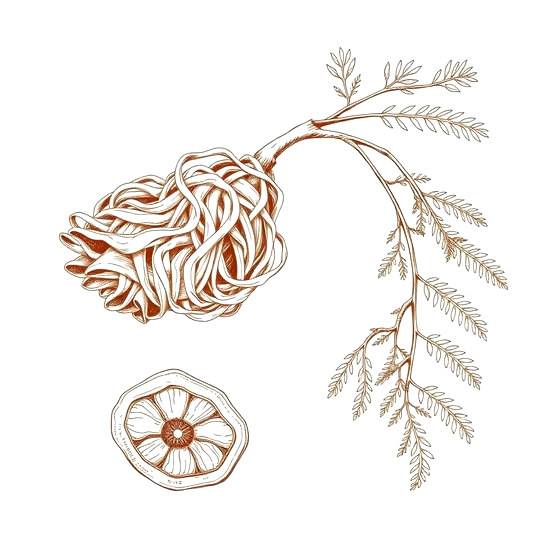
Cnidii Rhizoma 川芎
Promotes blood circulation
Activates blood and moves qi, expels wind and stops pain — Known as the 'Qi herb in blood' (血中氣藥), it resolves pain due to blood stasis.
Ferulic acid · Tetramethylpyrazine. Vasodilation and anti-platelet effects.
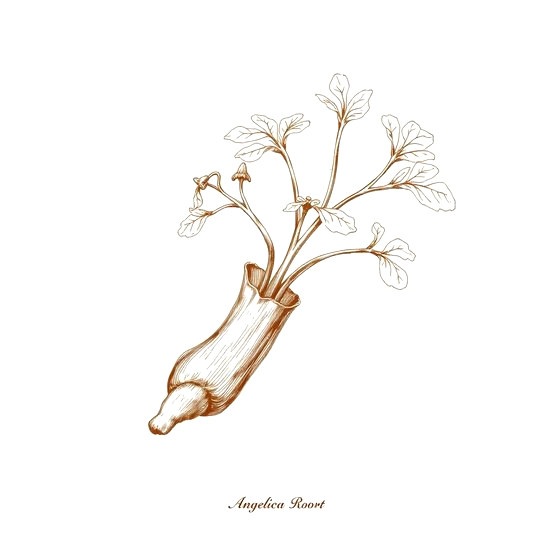
Angelicae Gigantis Radix 當歸
Nourishes blood · Promotes circulation
Nourishes and activates blood, regulates menstruation and stops pain — Regulates menstruation and alleviates pain.
Ferulic acid · Polysaccharides. Regulates uterine smooth muscle and has anti-thrombotic effects.
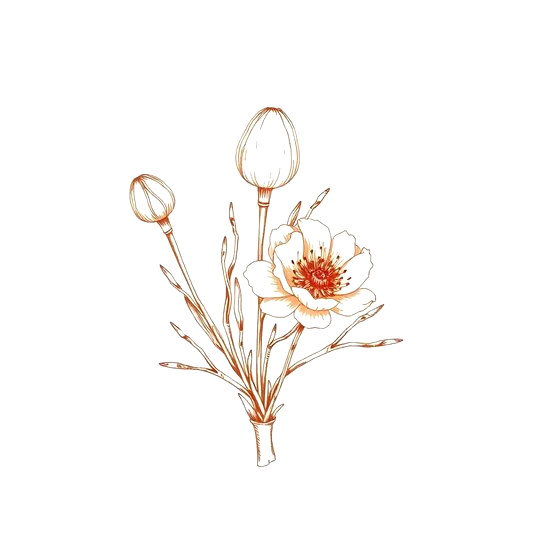
Paeoniae Radix 芍藥
Pain relief · Replenishes yin and blood
Nourishes blood and astringes yin, soothes the liver and stops pain — Relieves uterine tension and pain.
Paeoniflorin. Smooth muscle relaxation, antispasmodic, and analgesic effects.
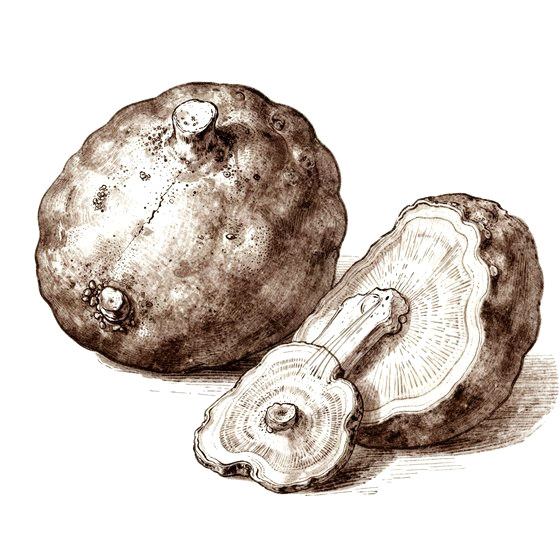
Poria 茯苓
Regulates fluid metabolism · Calms mind and spirit
Promotes diuresis and drains dampness, tranquilizes the heart and calms the spirit — Drains dampness and calms the mind.
Polysaccharides · Triterpenes. Diuretic and sedative effects.
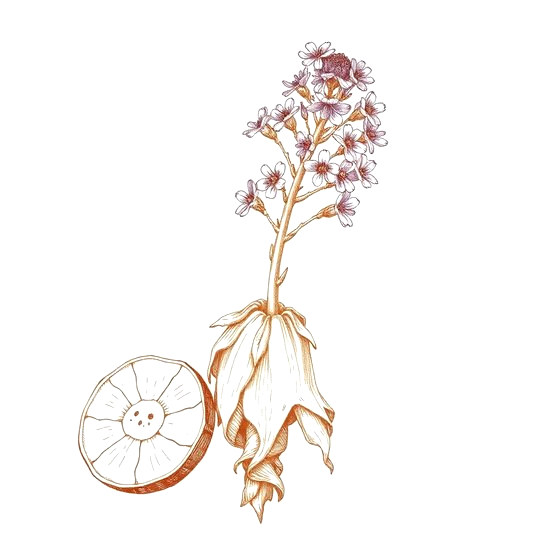
Scutellariae Radix 黃芩
Cools blood heat
Clears heat and dries dampness — Cools blood heat (血熱) to restore balance.
Baicalin. Anti-inflammatory and antioxidant effects.
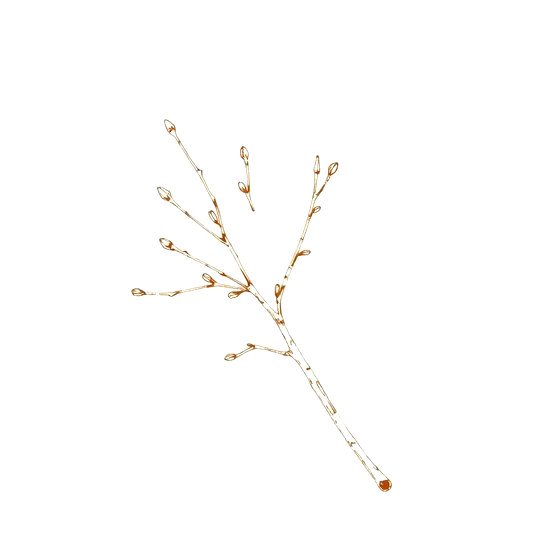
Cinnamomi Ramulus 桂枝
Warms yang to aid circulation
Warms meridians and unblocks vessels, disperses cold — Warms a cold uterus to promote blood flow.
Cinnamaldehyde. Vasodilation and analgesic effects (RCT evidence for menstrual pain).
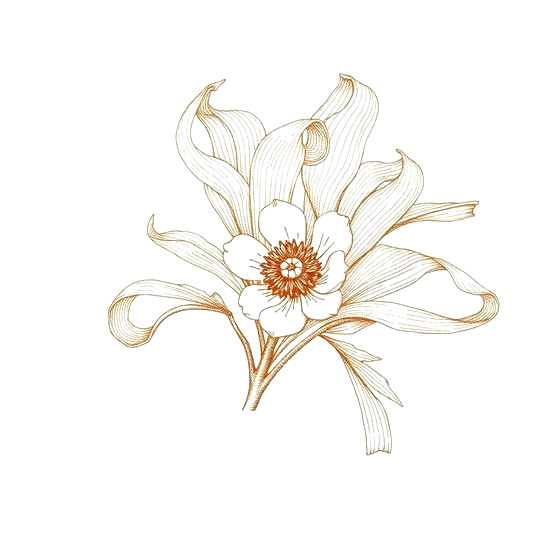
Moutan Cortex 牡丹皮
Clears heat · Activates blood
Clears heat and cools blood, activates blood and resolves stasis — Addresses both blood heat and blood stasis.
Paeonol. Anti-inflammatory and anti-platelet effects.
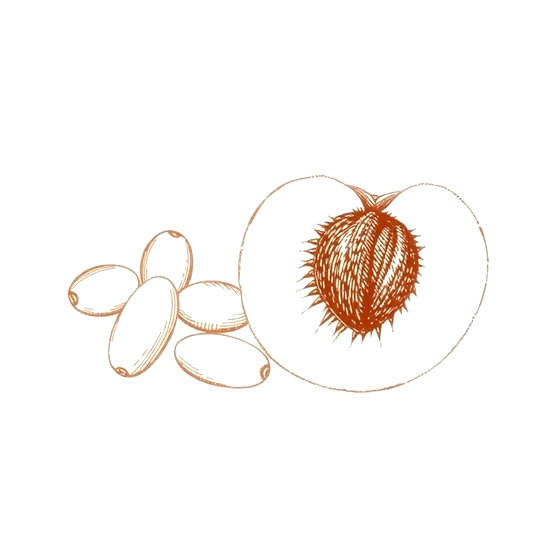
Persicae Semen 桃仁
Activates blood · Resolves blood stasis
Activates blood and resolves stasis, moistens intestines — Breaks up stubborn blood stasis to alleviate pain.
Fatty oil · Processed amygdalin. Anti-thrombotic and blood flow improving effects.
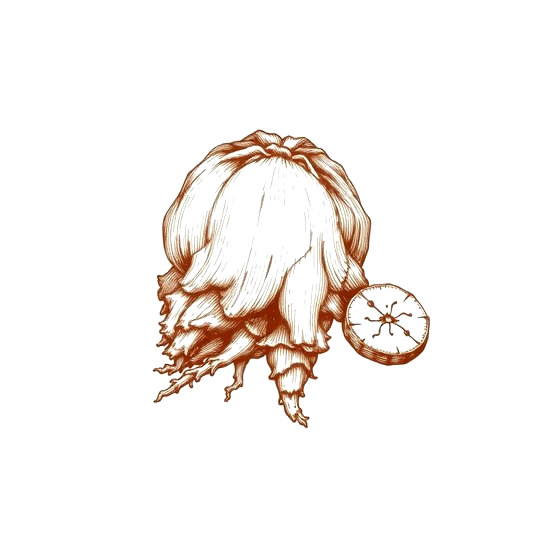
Atractylodis Rhizoma Alba 白朮
Strengthens spleen and stomach · Regulates fluids
Strengthens the spleen and benefits qi, dries dampness — Supports the spleen and stomach to aid transportation and transformation.
Atractylenolide. Gastrointestinal motility and anti-inflammatory effects.
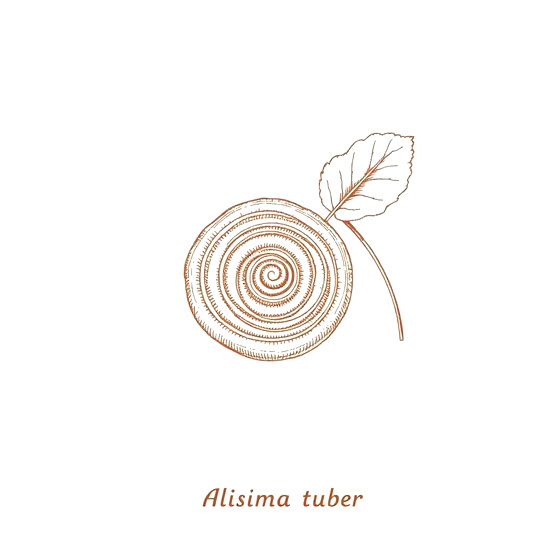
Alismatis Rhizoma 澤瀉
Regulates fluid metabolism
Promotes diuresis and drains dampness, drains heat — Drains stagnant dampness.
Alisol (triterpene). Diuretic and lipid-regulating effects.
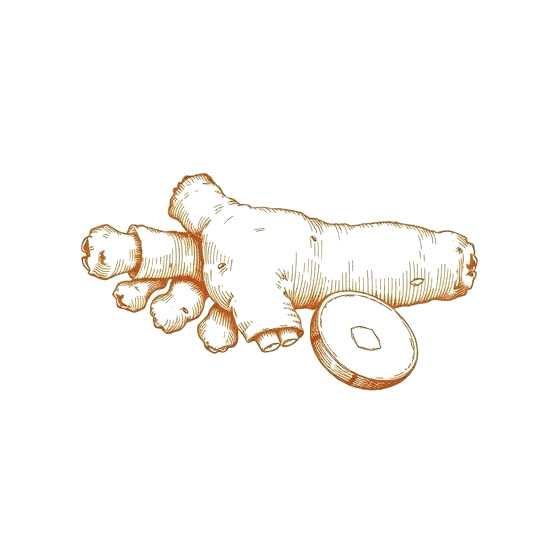
Zingiberis Rhizoma 生薑
Warms the middle
Warms the middle and disperses cold, harmonizes the stomach — Warms the interior and disperses cold pathogens (寒邪).
Gingerol · Shogaol. Analgesic, anti-inflammatory, and anti-nausea effects (RCT evidence for menstrual pain).
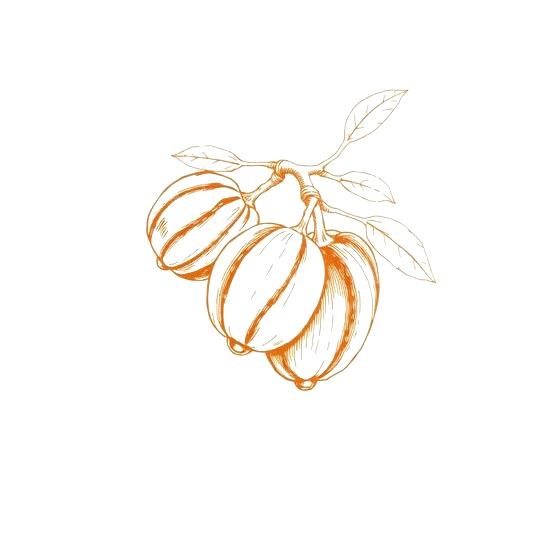
Jujubae Fructus 大棗
Supports spleen and stomach, harmonizes
Tonifies the middle and benefits qi, moderates medicinal properties — Supports the spleen and stomach, and moderates the effects of other herbs.
Polysaccharides · Flavonoids. Antioxidant and tonic effects.
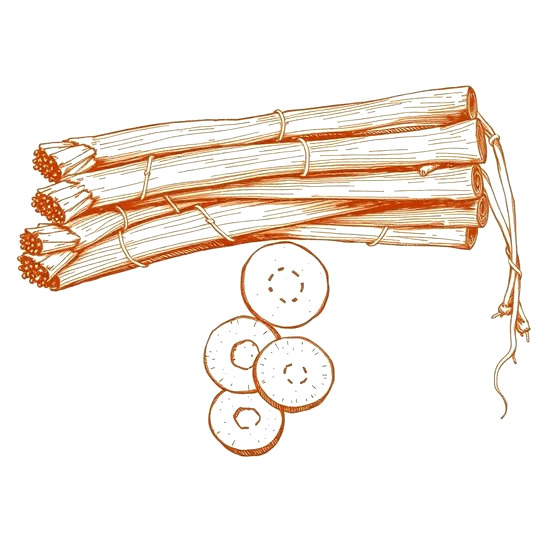
Glycyrrhizae Radix 甘草
Harmonizes the formula
Harmonizes medicinal properties, moderates urgency and stops pain — Harmonizes other herbs and, with Paeoniae Radix, aids in pain relief.
Glycyrrhizin. Anti-inflammatory and antispasmodic effects.
Formulation ratios are adjusted according to the prescription stage, and the final composition is determined after consultation with a Korean medicine doctor.
Choose the duration that suits you
Start your journey
Choose your option and continue below.
Medication Guide
If any of the following apply, please inform us during your consultation
- If you are pregnant, breastfeeding, or have a possibility of pregnancy (as it contains blood-activating herbs)
- If you experience excessively heavy menstrual bleeding or irregular bleeding
- If you are currently undergoing treatment for conditions such as uterine fibroids or endometriosis
- If you are taking anticoagulants, blood pressure medication, or hormone therapy
Ongungbichaek is an herbal medicine prescribed by a Korean medicine doctor after assessing your constitution and condition. Even for the same menstrual pain, the formulation differs significantly depending on whether it's caused by coldness or by accumulated heat. During consultation, the doctor will determine the appropriate strength after checking your cycle, pain patterns, blood color, and presence of clots.
FAQ
Can I take it with painkillers?
Many patients initially take them together and then gradually reduce painkillers as their pain lessens. However, please inform your Korean medicine doctor about any medications and dosages you are currently taking during your consultation, so they can determine the appropriate timing and combination.
When should I start taking it?
This is not a medication to be taken only on 'that day.' The timing of intake is determined by considering your entire cycle. We choose the approach that best suits your condition, whether it's focusing on use during periods of severe pain or maintaining it throughout the cycle.
How long does it take to see a difference?
We assess progress on a cycle-by-cycle basis. Typically, after two to three cycles, we observe changes in pain intensity, frequency of painkiller use, and the presence of clots, then adjust the dosage accordingly.
I'm taking birth control pills; is it okay?
While some individuals take them concurrently, the combination with hormone medication must always be assessed by a Korean medicine doctor. Please be sure to inform us of the product name and duration of your current medication during your consultation.
From your next cycle,
make a change
After assessing your cycle, pain patterns, and blood condition via KakaoTalk,
our Korean medicine doctor will guide you on the timing and strength of your dosage.