Jaimdang Korean Medicine Clinic · Prepared Herbal Medicine
Gongbihwan Light
One sachet a day.
Targeting only the moments you need it most.
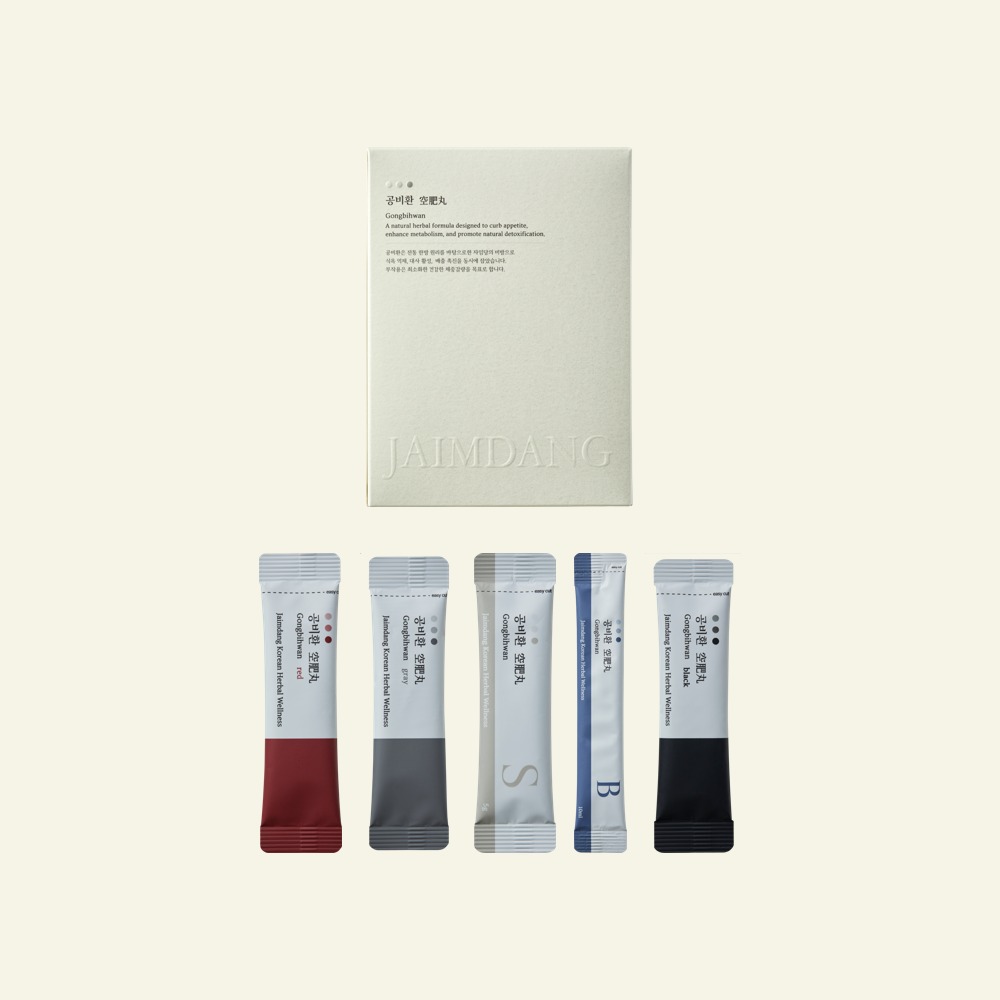
Product contentsGongbihwan Light
Pack size2.5 g × 30 sachets
JAIMDANG · SINCE 2015Directions after consultation
More important than immediate results is the ability to see it through.
Korean herbal medicine for weight loss,
Is this why you've hesitated?
Weight loss isn't about how potent the medicine is,
but about whether you can complete the prescribed period.
Most often, stopping midway leads to regaining weight.
1
Stopped previously due to palpitations
For a few days, I definitely ate less, but my heart raced at night, and I couldn't sleep. Eventually, I put the remaining medicine in a drawer and stopped, and that entire period was lost.
2
A constitution sensitive even to a single cup of caffeine
If I drink coffee in the afternoon, I can't sleep that night. With diet supplements, I worry about palpitations even before starting, so I don't even consider them.
3
Unconfident about taking it three times a day
At work, out and about, before bed. Trying to take it three times a day, I'd inevitably miss one or two doses, and then it would just fizzle out.
4
Lost weight, but it's slowly creeping back
I reached my goal, but after stopping for a couple of months, it's returning to normal. Doing something strong again feels excessive, but leaving it as is makes me anxious.
Gongbihwan Light is not a food product.
It is a herbal medicine prescribed by a Korean medicine doctor after consultation.
Not made weaker, but designed differently
Gongbihwan Light approaches with
three key principles
Eleven herbs are grouped into three pillars.
A key feature of Gongbihwan Light is that nearly half of them are dedicated to 'buffering'.
Control
Appetite · Metabolism
Ma Huang 麻黃 · Seokgo 石膏
This pillar aims to reduce moments of overeating and boost energy consumption. The ephedra alkaloids in Ma Huang stimulate the sympathetic nervous system, suppressing appetite and activating metabolism, while Seokgo immediately counteracts its warming properties to prevent overheating. As the stage increases, Ma Huang increases, and Seokgo decreases.
Drain
Dampness Removal · Elimination
Injin-ho 茵蔯蒿 · Ui-iin 薏苡仁 · Bokryeong 茯苓 · Haeng-in 杏仁
This pillar focuses on expelling stagnation. Injin-ho clears damp-heat from the liver and gallbladder, Ui-iin and Bokryeong reduce swelling and fluid retention, and Haeng-in descends lung qi to promote smooth bowel movements. This pillar supports circulation, which may slow down as food intake decreases.
Buffer
Buffering · Calming
Sanjoin 酸棗仁 · Jimo 知母 · Maekmundong 麥門冬 · Hwangnyeon 黃連 · Chija 梔子
This pillar absorbs potential discomfort. The actual issues when using Ma Huang are insomnia, palpitations, and dry mouth. Sanjoin addresses sleep, Chija and Hwangnyeon manage excess heat and restlessness, and Jimo and Maekmundong alleviate dryness. This is the most heavily emphasized pillar in Gongbihwan Light's formulation.
Why One Sachet a Day, and Why Nearly Half Buffering Herbs?
Ma Huang is effective. Clinical meta-analyses confirm significant weight loss compared to placebo. The problem is that the same studies also report risks of palpitations, insomnia, and dry mouth.
Therefore, most failures occur not because the medicine is ineffective, but because individuals cannot tolerate these discomforts. If you have leftover medicine in your drawer, that's usually the reason. The remaining period is entirely lost, and the weight returns.
Gongbihwan Light addresses this with two solutions. First, one sachet a day, not three. It's designed for use only at necessary moments, preventing continuous stimulation throughout the day. Second, nearly half buffering herbs. Sanjoin, Jimo, Maekmundong, Hwangnyeon, and Chija each address sleep, heat sensation, and dry mouth, respectively.
Furthermore, we've divided it into three stages. Instead of gradually increasing Ma Huang, the method involves reducing buffering herbs, so only the intensity shifts within the same prescription. The starting stage is determined during consultation.
Nothing is hidden — All ingredients disclosed
Herbal Composition ·
All Ingredients Disclosed
Formulated according to the Jun-Sin-Jwa-Sa (君臣佐使) principle.
We disclose both the traditional Korean medicine mechanisms and pharmacological mechanisms of each ingredient.
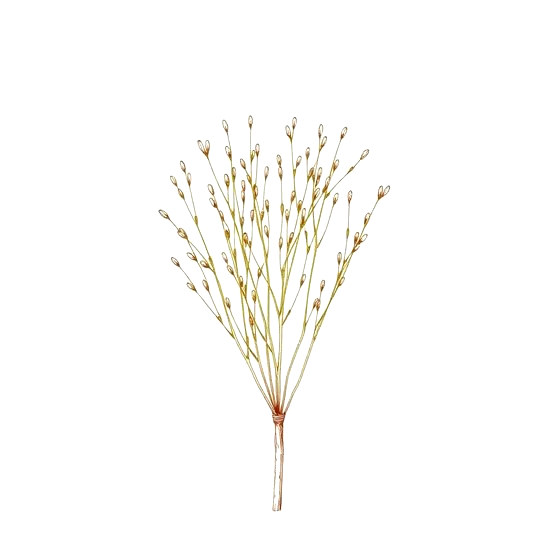
君
Ma Huang 麻黃
Ephedra sinica
Appetite control · Metabolic activation
Traditional Korean Medicine Mechanism
Induces sweating, releases the exterior, diffuses lung qi, calms asthma, promotes diuresis — opens the exterior and expels stagnant dampness. It is the principal herb in Gongbihwan Light.
Pharmacological Mechanism
Ephedra alkaloids stimulate the sympathetic nervous system, increasing energy expenditure and fat breakdown, and suppressing appetite. Significant weight loss compared to placebo has been reported in clinical meta-analyses.
臣
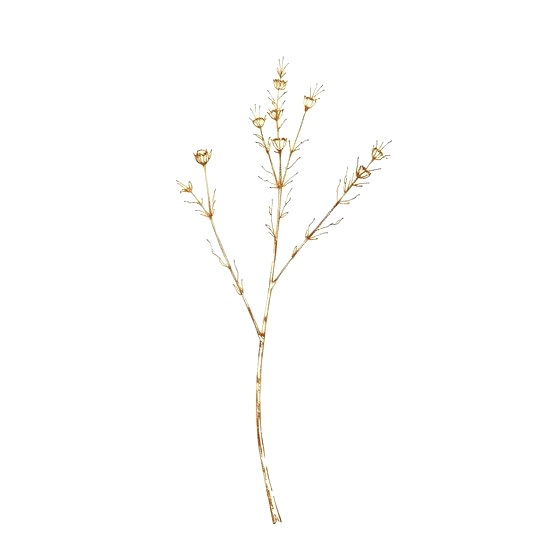
Injin-ho 茵蔯蒿
Artemisia capillaris
Clears damp-heat
Traditional Korean Medicine Mechanism
Clears heat, resolves dampness, reduces jaundice — expels damp-heat accumulated in the liver and gallbladder through urine.
Pharmacological Mechanism
Scoparone · chlorogenic acid. Reported to promote bile secretion and improve lipid metabolism.
臣
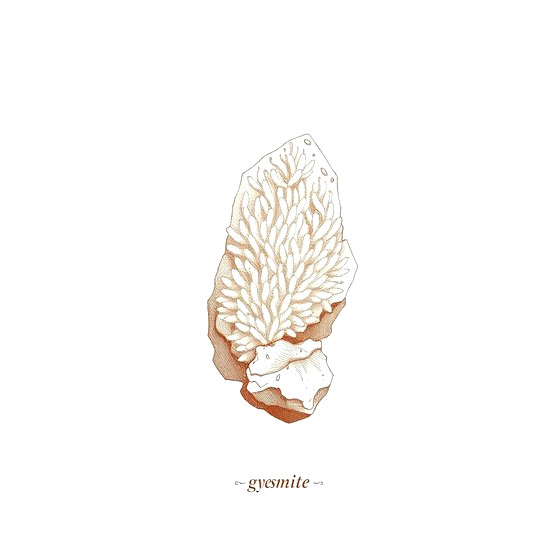
Seokgo 石膏
Gypsum fibrosum
Counteracts the warming properties of Ma Huang
Traditional Korean Medicine Mechanism
Clears heat, drains fire, eliminates vexation, quenches thirst — immediately suppresses the warm and drying properties of Ma Huang to prevent overheating.
Pharmacological Mechanism
Hydrated calcium sulfate. Antipyretic and sedative effects. Decreases as the stage increases, thereby increasing intensity.
臣
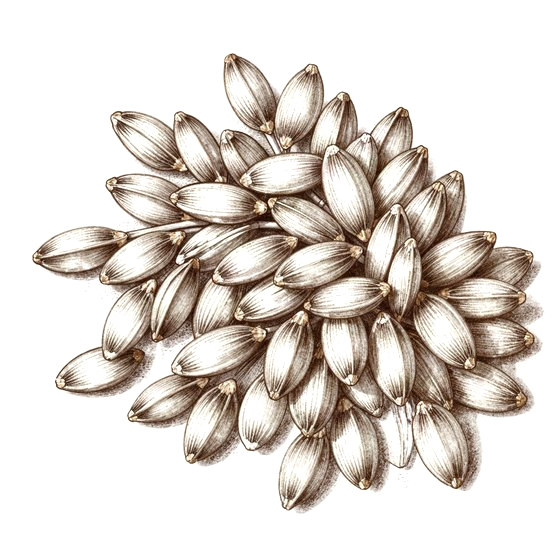
Ui-iin 薏苡仁
Coix lacryma-jobi
Reduces swelling · Expels dampness
Traditional Korean Medicine Mechanism
Strengthens the spleen, resolves dampness, promotes diuresis, reduces swelling — strengthens the spleen and expels accumulated fluids.
Pharmacological Mechanism
Coixol · polysaccharides. Diuretic and anti-inflammatory effects have been reported.
佐
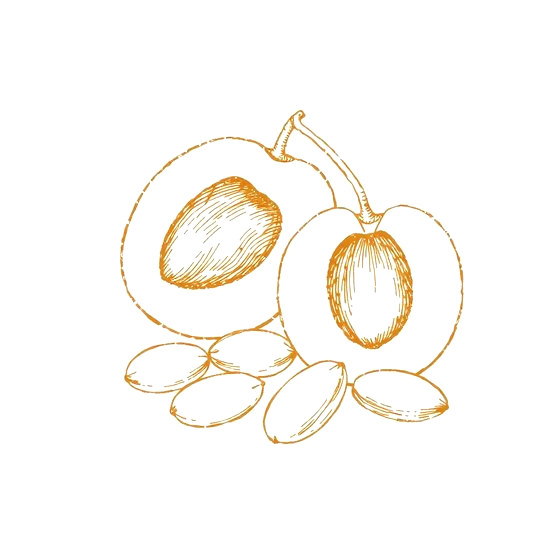
Haeng-in 杏仁
Prunus armeniaca
Descends qi and softens bowel movements
Traditional Korean Medicine Mechanism
Diffuses lung qi, descends qi, moistens the intestines, unblocks bowels — descends lung qi and moistens the large intestine.
Pharmacological Mechanism
Fatty oils lubricate the intestines, aiding bowel movements.
佐
Hwangnyeon 黃連
Coptis chinensis
Alleviates overeating due to stomach heat · Palpitations
Traditional Korean Medicine Mechanism
Clears heat, dries dampness, drains heart fire — alleviates the condition of constant hunger due to stomach heat (Xiao Gu Shan Ji).
Pharmacological Mechanism
Berberine. Reported to regulate blood sugar and lipid metabolism, and have sedative effects.
佐
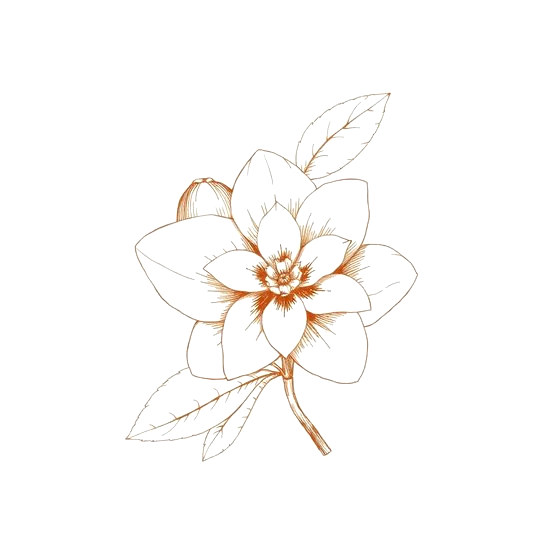
Chija 梔子
Gardenia jasminoides
Calms upward-floating heat · Vexation
Traditional Korean Medicine Mechanism
Drains fire, eliminates vexation — extinguishes heat and restlessness concentrated in the chest.
Pharmacological Mechanism
Geniposide · crocin. Sedative effects have been reported.
佐
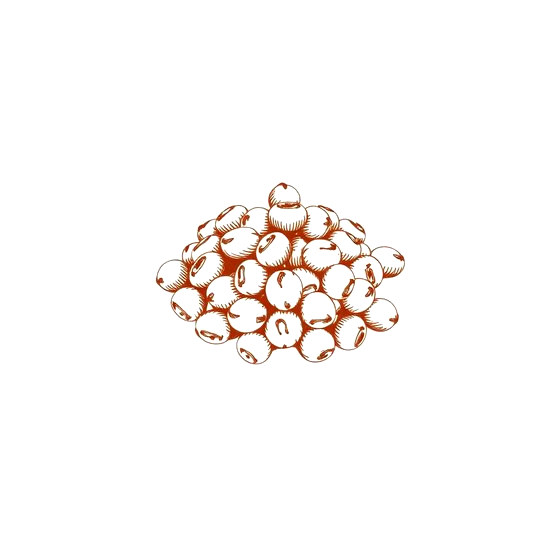
Sanjoin 酸棗仁
Ziziphus jujuba var. spinosa
Buffering to protect sleep
Traditional Korean Medicine Mechanism
Nourishes the heart, calms the spirit, astringes sweat — calms the agitated mind and body from Ma Huang to protect sleep.
Pharmacological Mechanism
Jujuboside · saponins. Sedative and sleep-improving effects have been reported.
佐
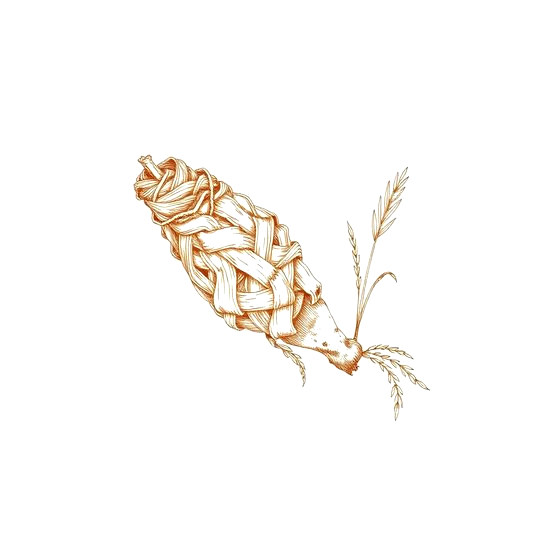
Jimo 知母
Anemarrhena asphodeloides
Moistens dryness
Traditional Korean Medicine Mechanism
Clears heat, drains fire, nourishes yin, moistens dryness — moistens the drying properties of Ma Huang and Seokgo.
Pharmacological Mechanism
Mangiferin · sarsasapogenin. Antipyretic and sedative effects.
佐
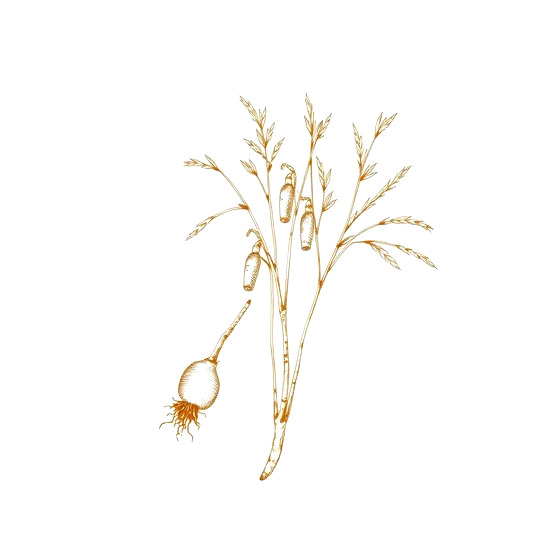
Maekmundong 麥門冬
Ophiopogon japonicus
Buffering dry mouth
Traditional Korean Medicine Mechanism
Nourishes yin, moistens the lungs, generates fluids — replenishes body fluids to reduce thirst.
Pharmacological Mechanism
Ophiopogonin · polysaccharides. Reported to protect mucous membranes and have anti-inflammatory effects.
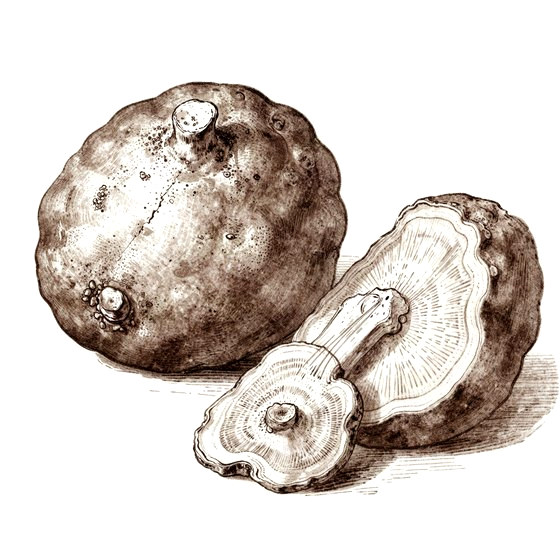
使
Bokryeong 茯苓
Poria cocos
Promotes diuresis · Calms mind and spirit
Traditional Korean Medicine Mechanism
Promotes diuresis, leaches out dampness, nourishes the heart, calms the spirit — expels dampness and calms the mind to harmonize the prescription.
Pharmacological Mechanism
Polysaccharides · triterpenes. Diuretic and sedative effects.
Formulation ratios are adjusted according to the prescription stage, and the final composition is determined after consultation with a Korean medicine doctor.
Evidence reported in international academic journals
Research on ingredients and formulas
We verify the functions of the herbal ingredients in Gongbihwan Light,
through publicly available research. Each paper also indicates
which aspect of this prescription it supports.
Among 8 weight loss methods, Korean herbal medicine showed the highest success rate.
Analysis of 2,161 adults using National Health and Nutrition Examination Survey data. The success rate for losing 3kg or more within one year was 26.0% for the Korean herbal medicine group, higher than physician-prescribed medication (19.7%), health functional foods (17.5%), and fasting (15.8%).
In Gongbihwan Light, — Whether 'Korean herbal medicine works' is already a settled question. The issue Gongbihwan Light addresses is the next one: 'Can you stick with that herbal medicine until the end?'
Dr. Kim Won-yong's specialist team, Department of Family Medicine, Hongik Hospital. Analysis of 2016 Korea National Health and Nutrition Examination Survey data (2,161 adults — 758 men · 1,403 women). Published in the Korean Journal of Family Medicine.
In the Korean herbal medicine group prescribed according to 'Byunjung' (pattern identification), weight decreased by −4.10kg, and BMI by −1.53.
Meta-analysis of 16 randomized controlled trials involving 1,052 participants. The Korean herbal medicine group, prescribed according to individual constitution (Byunjung), showed a significant reduction compared to the control group, with no significant adverse reactions reported.
In Gongbihwan Light, — The key is 'according to Byunjung'. This is not the result of giving the same medicine to everyone, but of adjusting it to each individual, and Gongbihwan Light's 3 stages represent that range of adjustment.
Efficacy and safety of anti-obesity herbal medicine focused on pattern identification: a systematic review and meta-analysis. Medicine (Baltimore). 2022. doi:10.1097/MD.0000000000032087 ↗
The weight loss effect of Ma Huang (Ephedra) compounds has been clinically confirmed.
Meta-analysis of randomized controlled trials. Ephedra alkaloid-containing preparations showed significant weight reduction compared to placebo, while also reporting risks of adverse reactions such as palpitations, insomnia, and dry mouth.
In Gongbihwan Light, — This is the starting point for Gongbihwan Light's design. Knowing that efficacy comes with potential discomfort, we chose a formulation that includes nearly half buffering herbs.
Shekelle PG, et al. Efficacy and safety of ephedra and ephedrine for weight loss and athletic performance: a meta-analysis. JAMA. 2003;289(12):1537–1545. doi:10.1001/jama.289.12.1537 ↗
Not only weight, but also waist circumference, blood sugar, and lipids improved.
Meta-analysis of 25 randomized controlled trials involving 1,947 participants. In the Korean herbal medicine treatment group, weight, BMI, and waist circumference significantly decreased, and total cholesterol, triglycerides, and fasting blood sugar also improved.
In Gongbihwan Light, — This is evidence that it's not just about losing numbers, but that other indicators also improve. Even with reduced intensity, the direction remains the same.
Efficacy and safety of traditional Chinese medicine treatment for overweight and obese individuals: a systematic review and meta-analysis. Front Pharmacol. 2022;13:964495. doi:10.3389/fphar.2022.964495 ↗
※ The above information refers to publicly available research on the herbal ingredients and components used in Gongbihwan Light, and does not guarantee the efficacy of a specific product. Results may vary for individuals.
Only the intensity shifts within the same prescription
3 Stages,
What Changes?
We don't change the herbs, but rather their proportions.
As Ma Huang increases, buffering herbs decrease.
Starting Point
Stage 1 RED
Formulation with the highest proportion of buffering herbs (Seokgo · Ui-iin)
- Those new to Korean herbal medicine for weight loss
- Those sensitive to caffeine or stimulation
- Those who previously stopped due to palpitations or insomnia
- Formulation with the highest proportion of buffering herbs
- Also used for maintenance after weight loss
Stage 2 GREY · Stage 3 BLACK
Formulation with reduced buffering herbs to increase intensity
- Those who took Stage 1 without discomfort
- Those who wish to maximize changes within a set period
- Those with significant weight · body fat loss goals
- Formulation with reduced buffering herbs to increase intensity
- The timing for stage progression is determined by the Korean medicine doctor.
※ All three stages are configured for 1 sachet, once a day, for 30 days (30 sachets). The starting stage is determined by considering weight, constitution, prior experience with medication, and sensitivity to stimulation.
Premium Korean Herbal Wellness
Jaimdang Korean Medicine Clinic
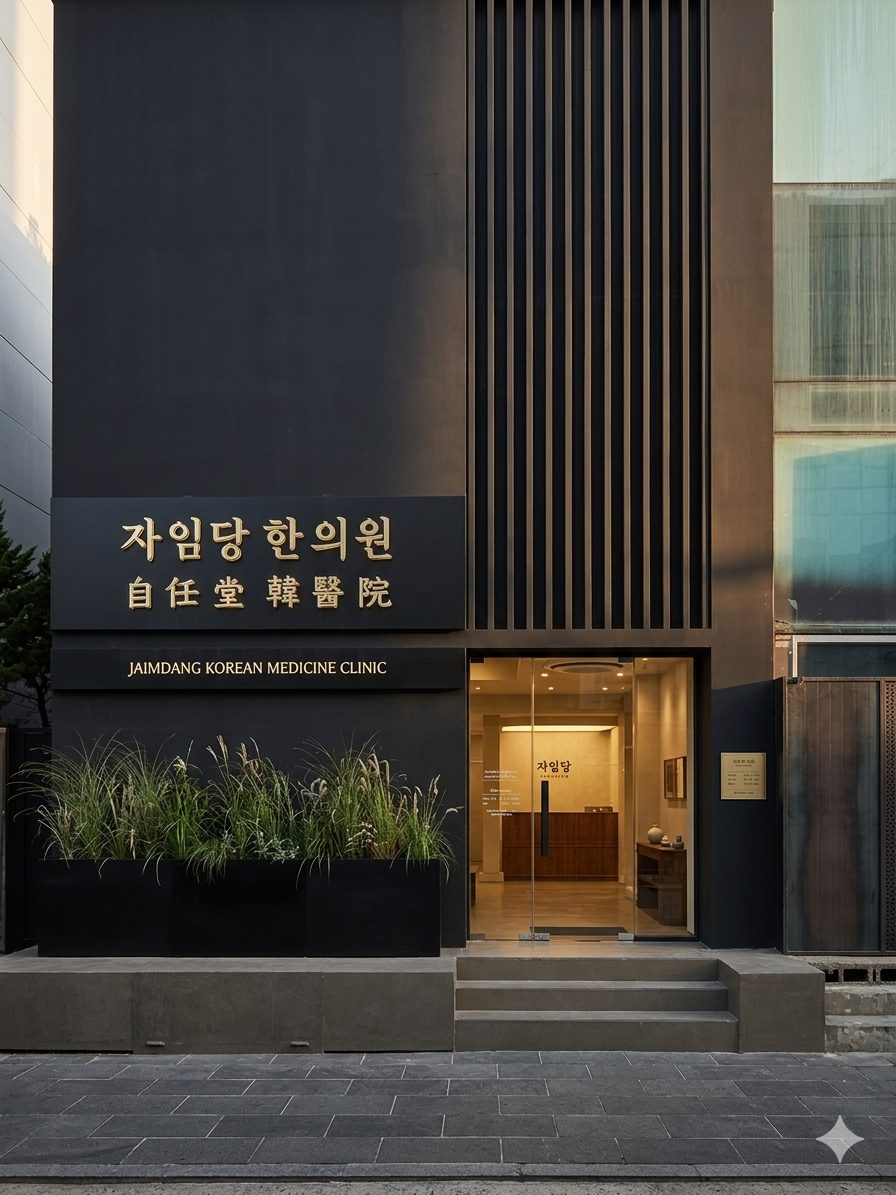
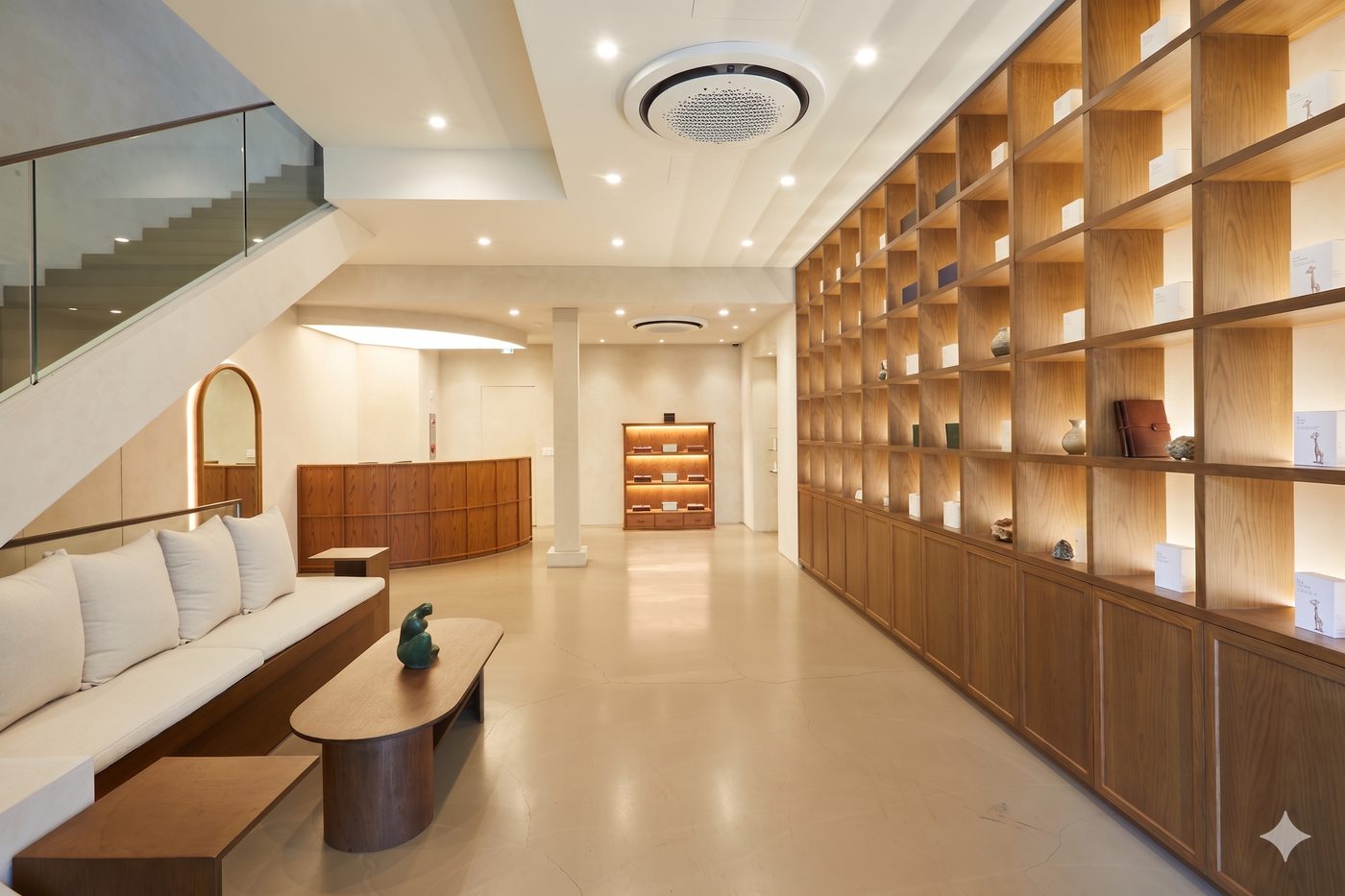
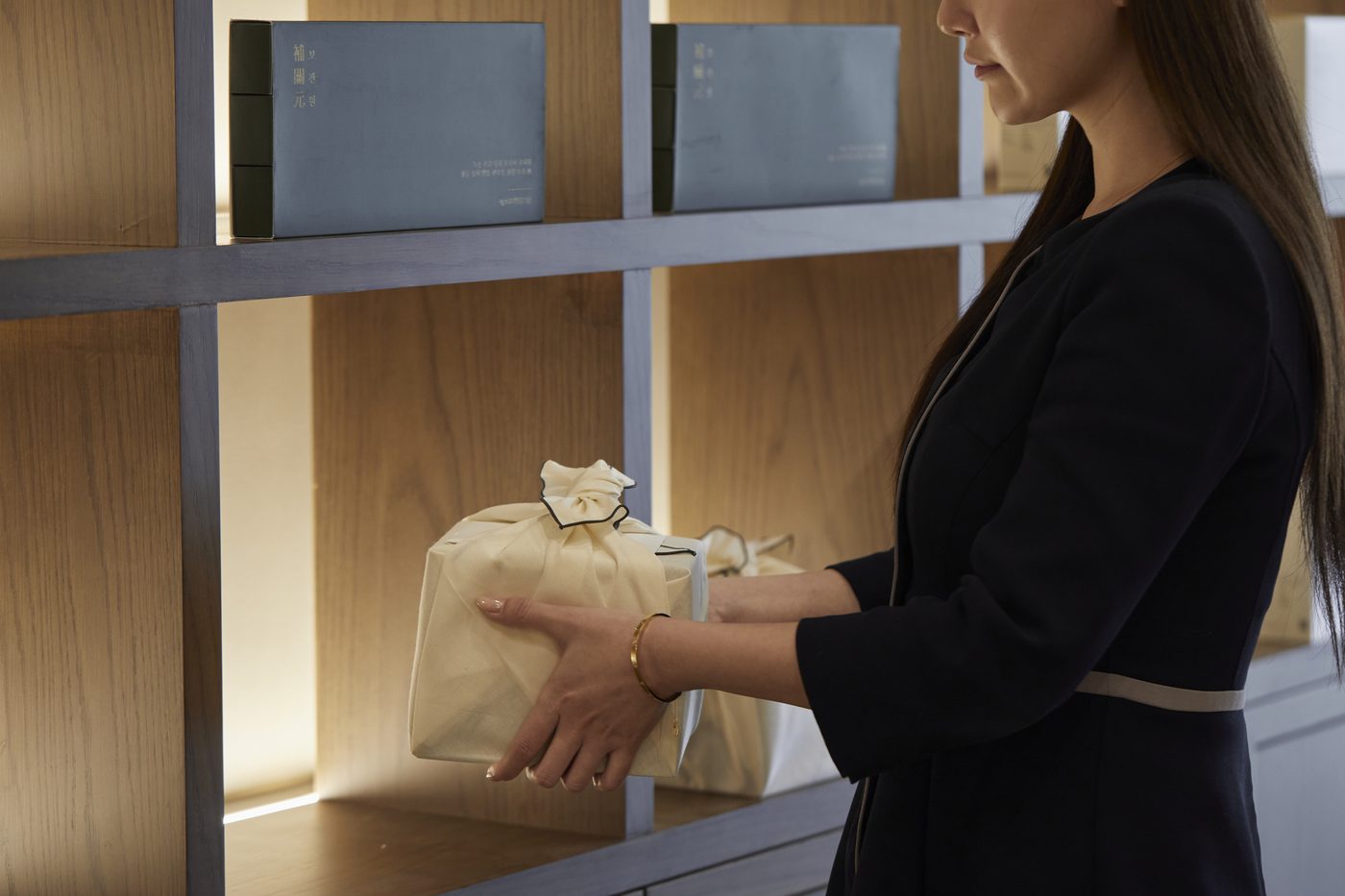
We determine prescriptions based on an individual's constitution and lifestyle.
Even for the same symptoms, we do not prescribe the same medicine.
JAIMDANG Clinic Director
Jeong Hyunjae
PhD in Korean Medicine
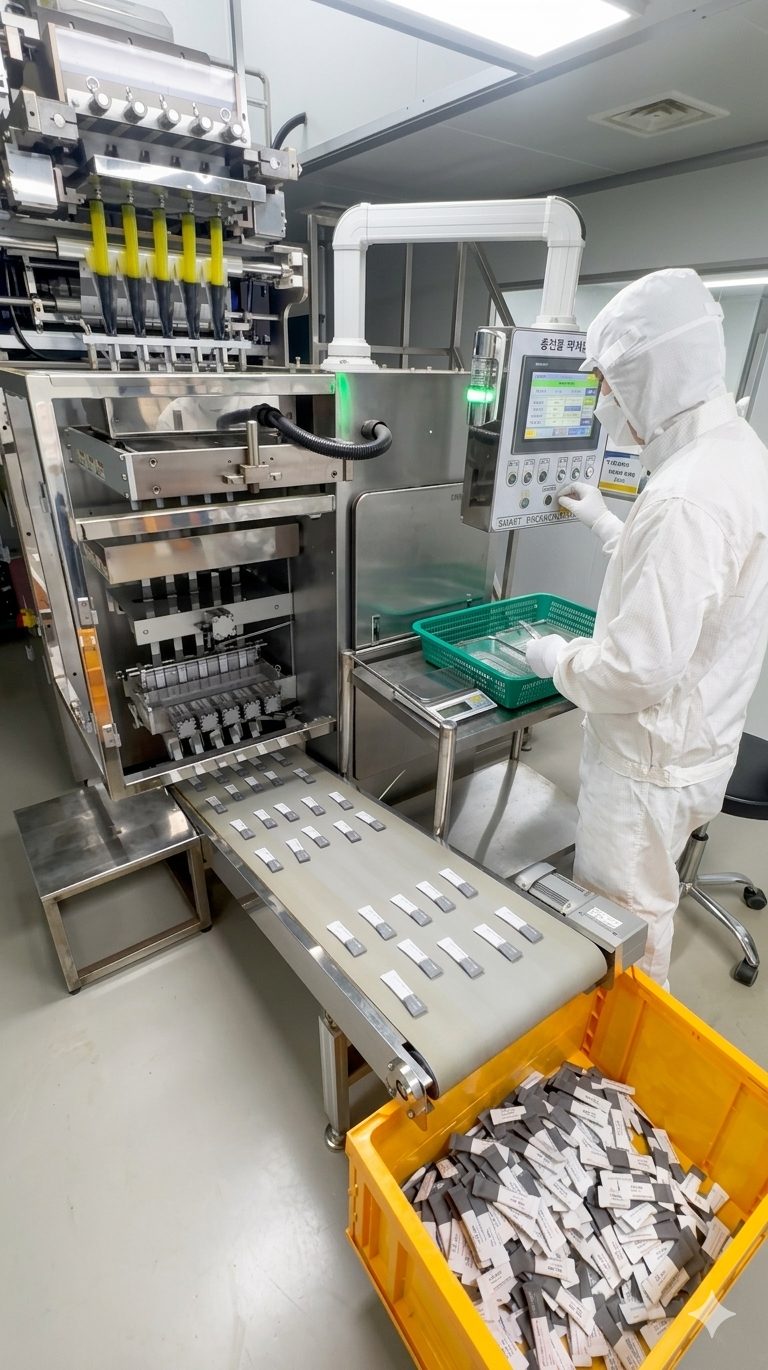
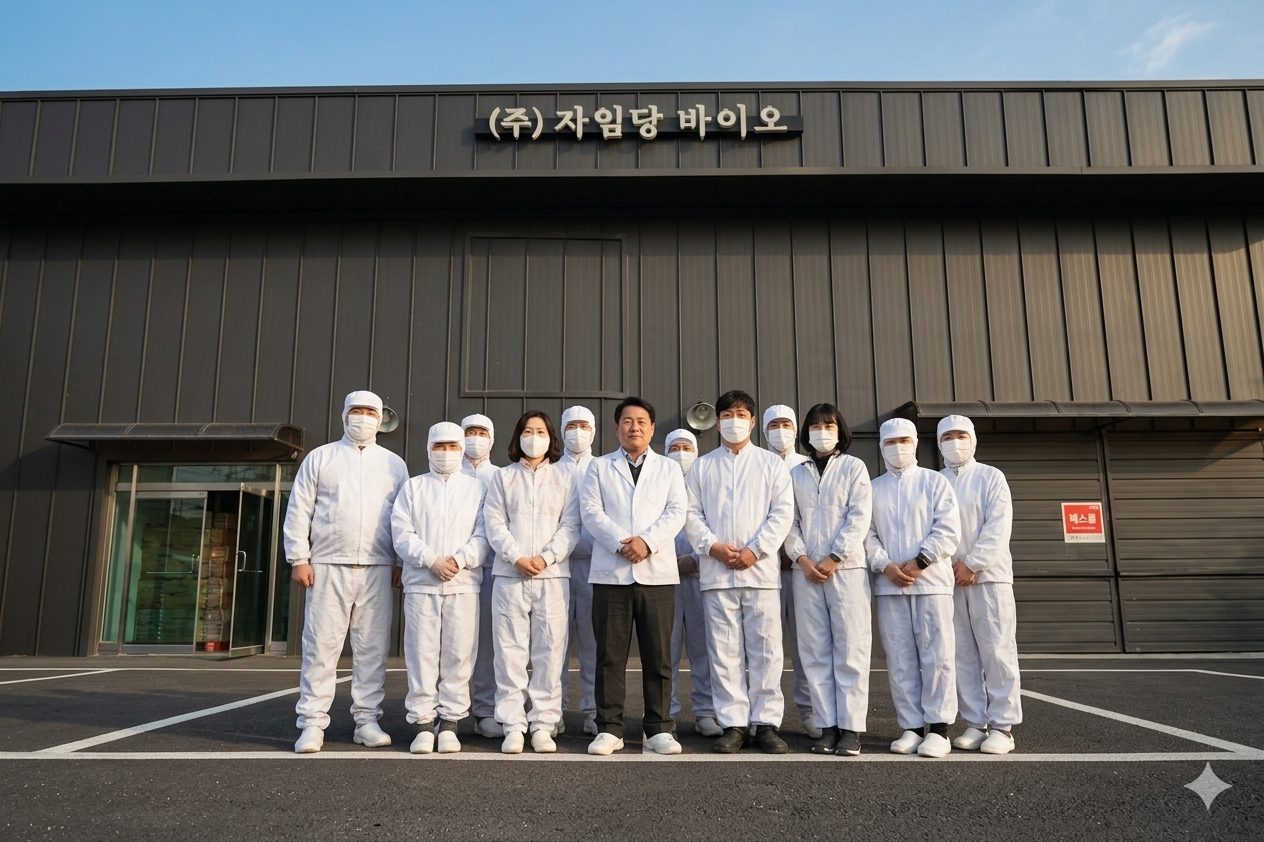
From prescription to preparation, all in one place
Gongbihwan Light is
crafted directly by us
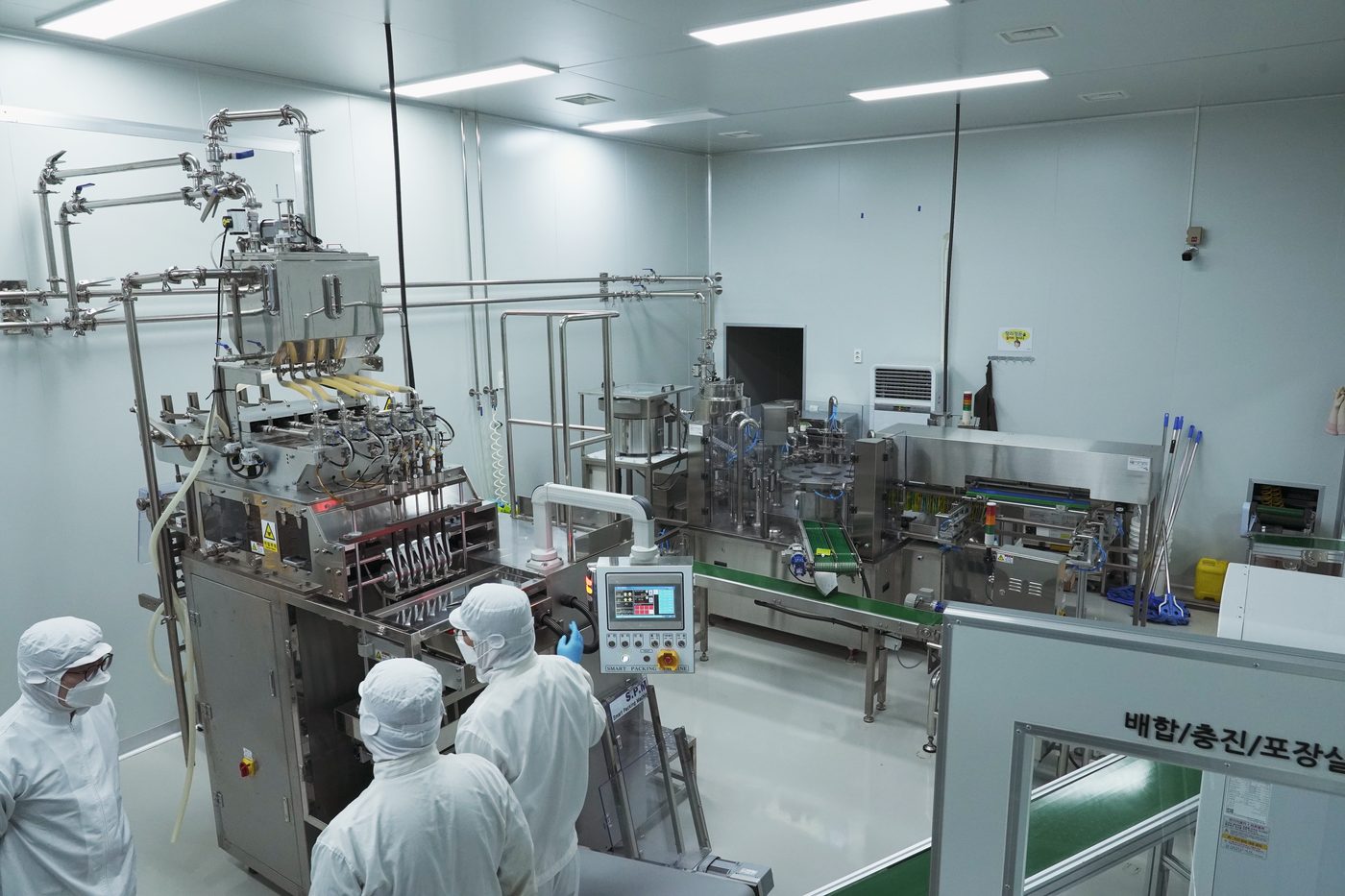
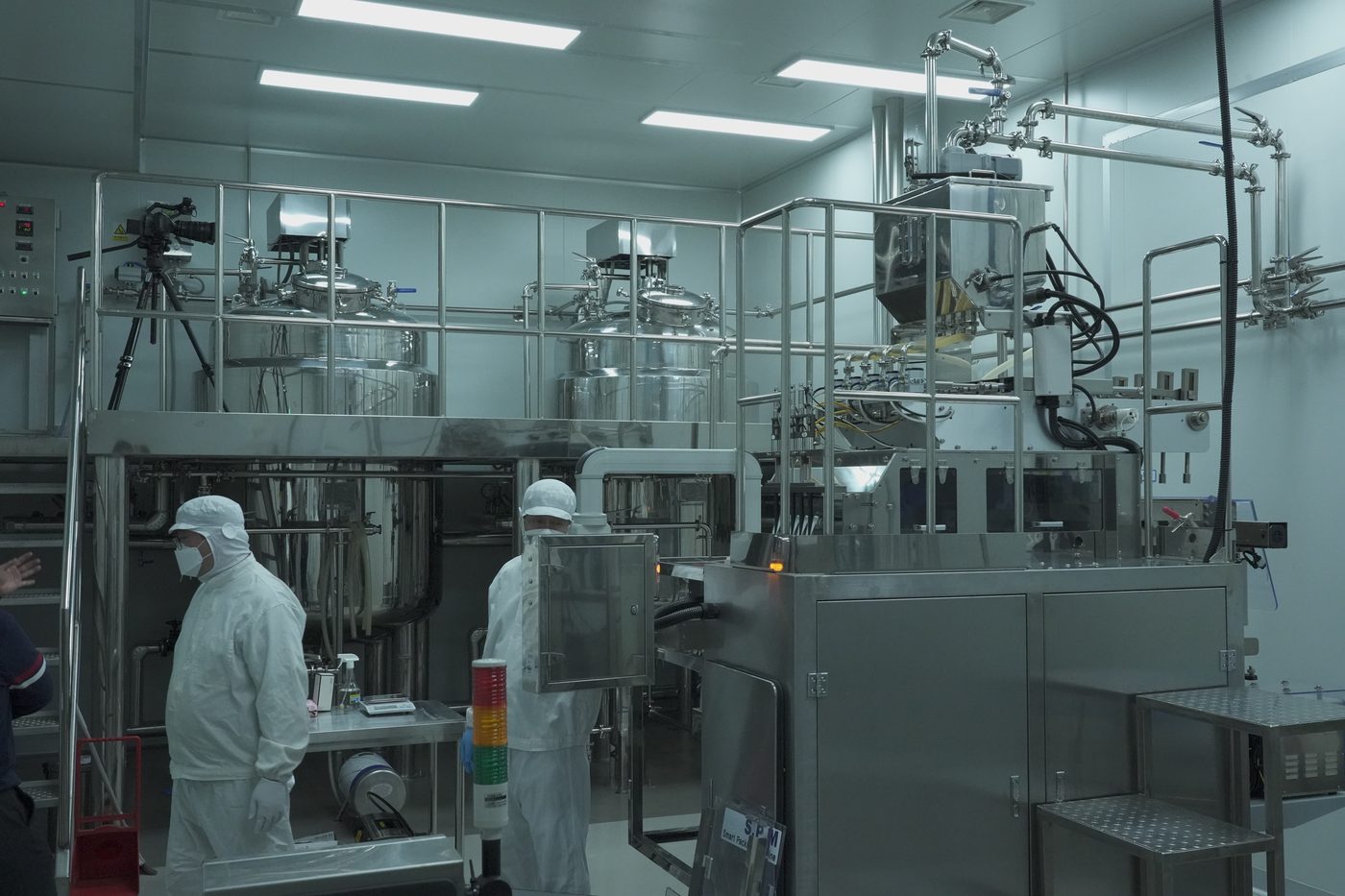
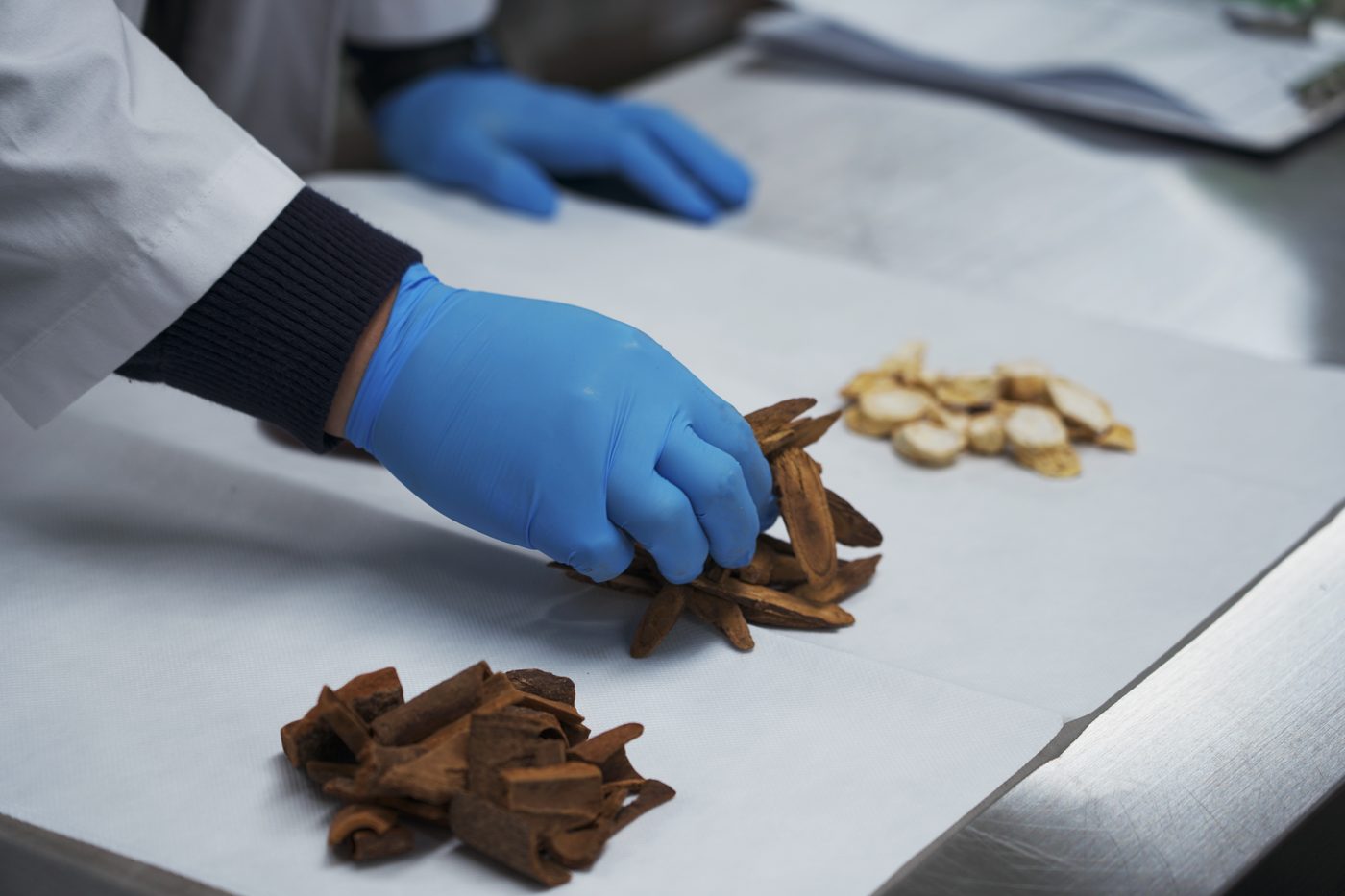
01
GMP-certified
Herbal ingredients used
Herbal ingredients used
02
28 types of harmful substances
Testing completed
Testing completed
03
Expert Korean medicine doctors
Prescription and blending
Prescription and blending
04
Product
information
information
See each product’s information
for its composition and storage instructions.
MY JAIMDANG
Keep track of how you feel during your course.
Health notes
Ask your practitioner
Composition · Price
Choose the duration that suits you
Start your journey
1 Month
Guidance after consultation
Choose your option and continue below.
Check before prescription
Medication Guide
If any of the following apply, please inform us during your consultation
- If you are pregnant, breastfeeding, or planning to conceive
- If you are being treated for heart disease, arrhythmia, or high blood pressure (as Ma Huang is included)
- If you have hyperthyroidism, glaucoma, or prostate enlargement
- If you are taking any other medications, such as antidepressants, blood pressure medication, or cold medicine
- If you experience severe insomnia or frequent palpitations
Gongbihwan Light is a traditional Korean herbal medicine prescribed by a Korean medicine doctor after assessing your constitution and condition. As it contains Ma Huang, it is crucial to inform us during consultation about any history of cardiovascular or thyroid conditions, and any medications you are currently taking. If you experience palpitations, insomnia, or severe dry mouth during use, please notify us immediately so we can lower the stage or adjust the buffering herb ratio.
Frequently Asked Questions
FAQ
Is Gongbihwan Light less effective?
It's not about reducing efficacy, but rather minimizing the duration of stimulation and increasing the buffering components. While our Signature formula is three sachets a day, Gongbihwan Light is one sachet a day, and nearly half of its composition consists of buffering herbs (Sanjoin, Jimo, Maekmundong, Hwangnyeon, Chija). Often, completing the full course yields better results than stopping midway.
Is it safe, given that it contains Ma Huang?
Ma Huang is an herb known for both its effects and potential discomforts. Therefore, Gongbihwan Light is designed with Seokgo to immediately counteract its warming properties, and with Sanjoin, Jimo, and Maekmundong to buffer against insomnia and dry mouth. However, if you have heart disease, arrhythmia, hyperthyroidism, or high blood pressure, we will not prescribe it or will recommend an alternative. Please be sure to inform us during your consultation.
How are the stages determined?
We consider your weight, constitution, prior medication experience, and sensitivity to stimulation. Most individuals start at Stage 1 (RED), assess their response, then progress. If discomfort occurs, we maintain the current stage or adjust the buffering herb ratio. The timing for stage progression is determined by the Korean medicine doctor.
When is the best time to take it?
It's not about a fixed time, but about the moment you need it. Use one sachet a day to align with situations where you tend to eat more, such as when appetite surges, before appointments or gatherings, or before menstruation. If it feels too strong, you can divide one sachet into two doses.
How long should I take it?
One package consists of 30 sachets for 30 days. We assess not only your weight but also your appetite, sleep, bowel movements, and overall condition to determine the next period and stage. Once your goal is reached, you transition to a maintenance stage.
A medicine that helps you finish, rather than just a strong one
Start with the stage
that's right for you
Directions after consultation
View options & prices ↗