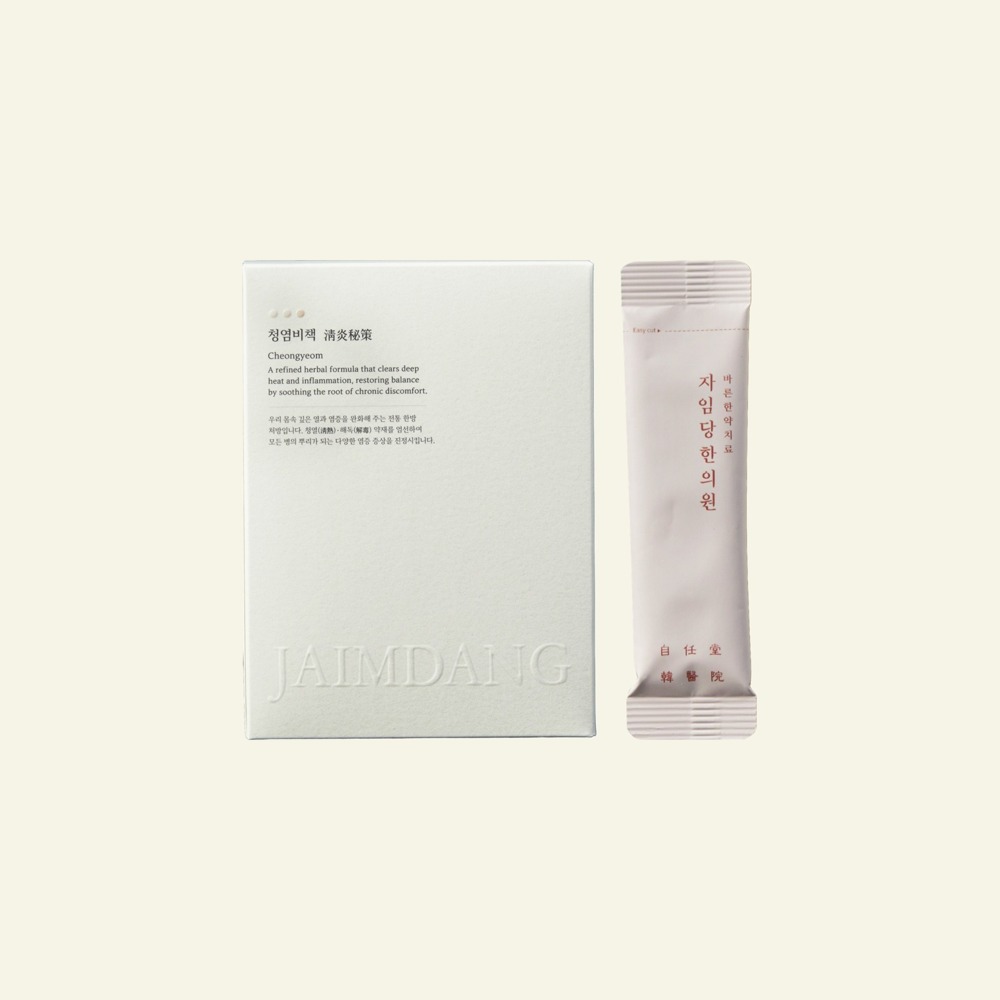
Cheongyeom Bichaek
What if it wasn't healing,
but merely a temporary calm?
Is your body
constantly sending these signals?
Inflammation isn't something you simply suppress and extinguish each time.
If it recurs in the same spot, we must look beyond just putting it out and instead
examine the underlying conditions that cause it to flare up.
A throat that invariably swells every change of season.
When cold winds blow, it starts with your throat. Swallowing becomes uncomfortable, your voice grows hoarse, and while anti-inflammatory drugs offer a few days of relief, the same issues return with the next seasonal change.
Skin troubles that reappear as soon as they heal.
Just when you think it's finally settled, new blemishes emerge right next to it. Scars linger, you find yourself covering them with makeup more often, and you're not even sure what's causing it.
A sudden rush of heat to the face.
Even when it's not particularly warm, you feel heat rising to your face and neck. It worsens in the evening, and on such nights, your sleep is shallow.
Recovery that is noticeably slower than before.
The same cold, the same wound, but it takes longer to heal. It feels as if your body can't resolve it all at once and keeps dragging it out.
Cheongyeom Bichaek is not a food product.
It is a herbal medicine prescribed by a Korean medicine doctor after consultation.
Cheongyeom Bichaek approaches with
three key principles
Eight herbs are grouped into three pillars.
We openly disclose which herb belongs to which pillar.
Clear Heat · Purge Fire
This pillar aims to reduce intense heat. Gypsum Fibrosum directly cools accumulated internal excess heat, while Bupleurum Root resolves heat trapped between the exterior and interior. The saikosaponin in Bupleurum Root acts to suppress the higher-level switch (TLR4/NF-κB) that activates inflammation.
Drain Pus · Facilitate Flow
This pillar focuses on expelling accumulated substances. If only heat is cooled, residual matter remains inside and can cause recurrence. Platycodon Root helps push pus (膿) outwards, while Bitter Orange clears stagnant Qi (氣) to open up elimination pathways.
Buffer · Protect
This pillar supports the prolonged use of cooling herbs. Peony Root soothes the tension and pain associated with inflammation, while Jujube and Fresh Ginger protect the spleen and stomach, which are susceptible to damage from cold properties. Raw Licorice simultaneously harmonizes and clears heat while detoxifying.
Why it's not used like an anti-inflammatory drug
The quickest way to address inflammation is to suppress the reaction itself with a single, potent anti-inflammatory component. Indeed, it often quiets down for a few days.
The problem is recurrence. Suppression only extinguishes the existing flare-up; it doesn't address why it keeps reappearing in the same spot. This is why the same issues repeat every change of season, or whenever your condition declines. Moreover, continuously suppressing with cold properties can first harm the stomach.
Cheongyeom Bichaek simultaneously addresses three aspects: it cools heat (Gypsum Fibrosum · Bupleurum Root), expels accumulated substances (Platycodon Root · Bitter Orange), and protects the internal organs susceptible to damage during this process (Peony Root · Jujube · Fresh Ginger · Raw Licorice). The drainage pillar is essential to ensure that once it subsides, it does not recur.
Not a suppressive medicine, but a restorative one. It's a 'Jun-Sin-Jwa-Sa' (君臣佐使, Emperor-Minister-Assistant-Envoy) formulation where eight ingredients each play a specific role, and this is also why Cheongyeom Bichaek discloses all its ingredients.
The power to soothe inflammation,
mechanisms confirmed by research
We verify the functions of the herbal ingredients in Cheongyeom Bichaek,
through publicly available research. Each paper also indicates
which aspect of this prescription it supports.
※ The above information refers to publicly available research on the herbal ingredients and components used in Cheongyeom Bichaek, and does not guarantee the efficacy of a specific product. Results may vary for individuals.
Cheongyeom Bichaek is
crafted directly by us
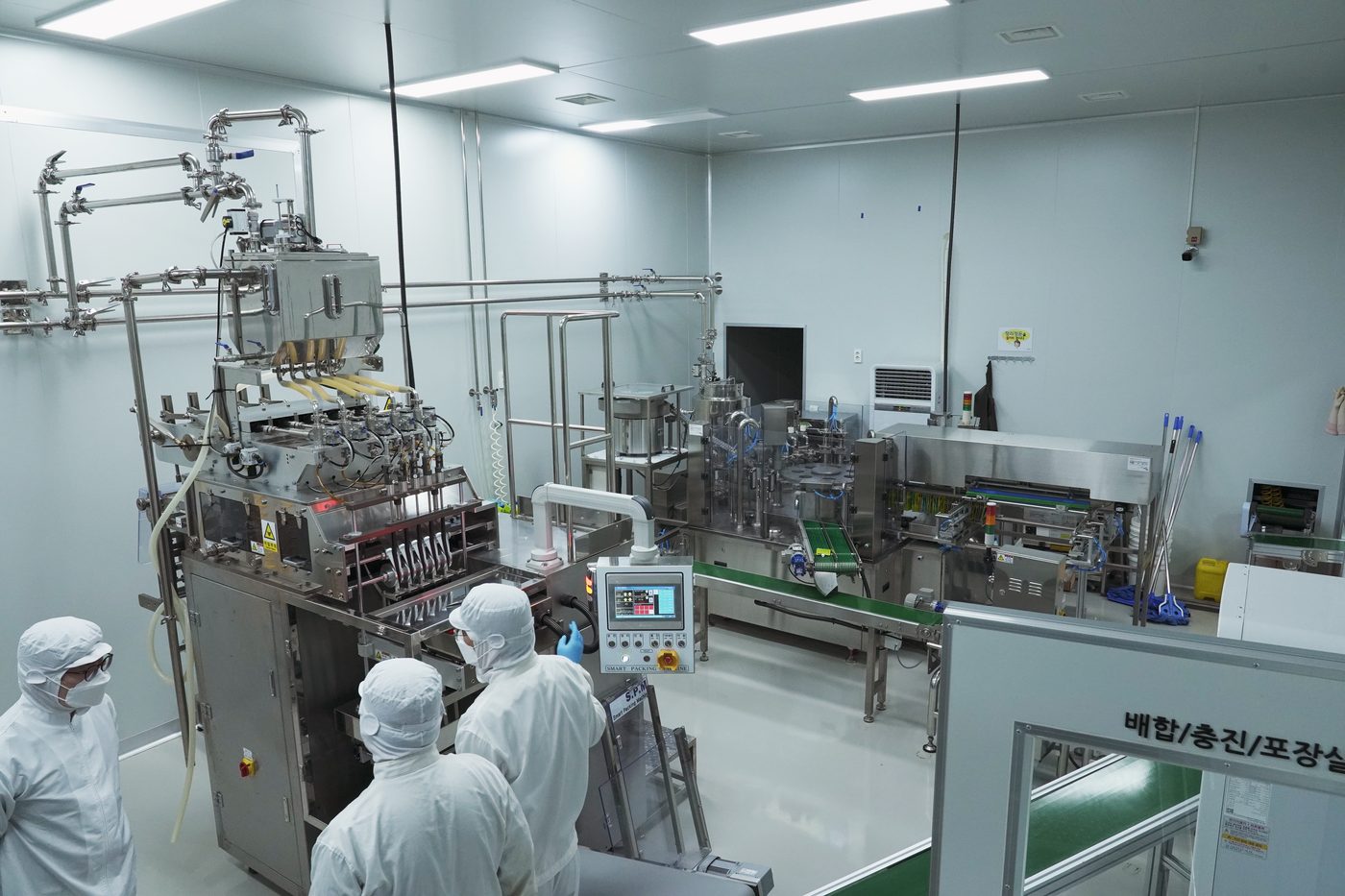
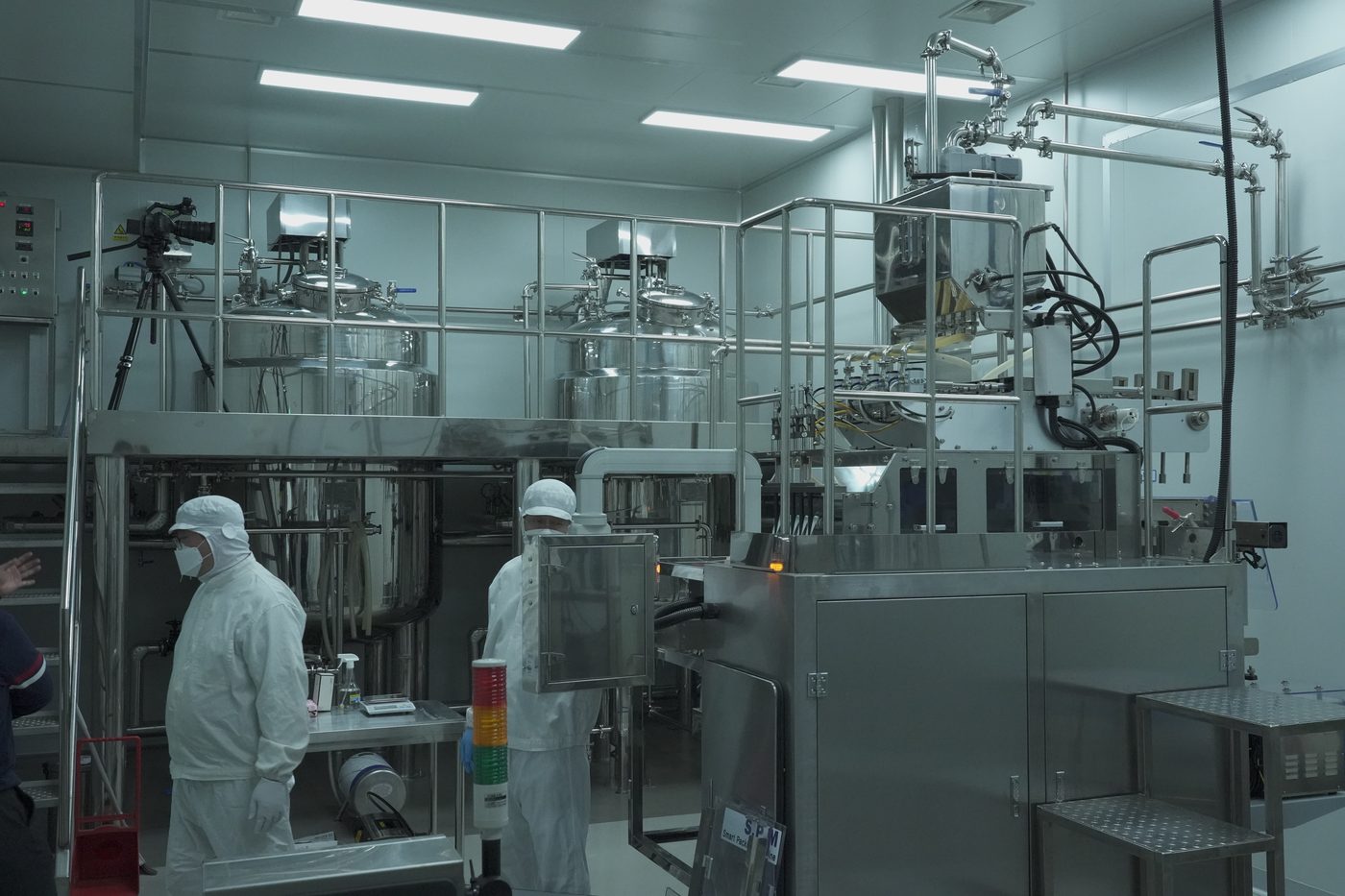
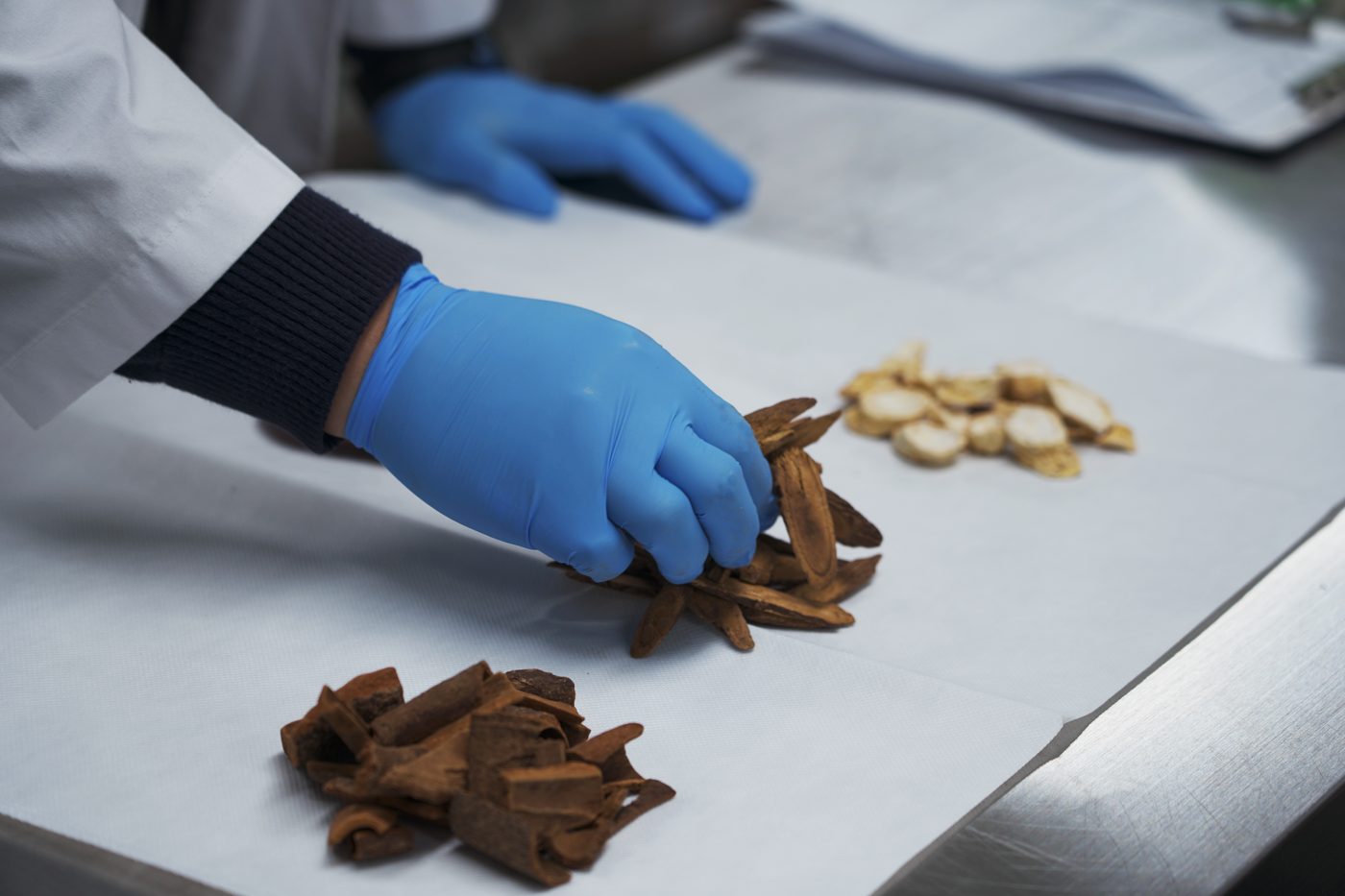
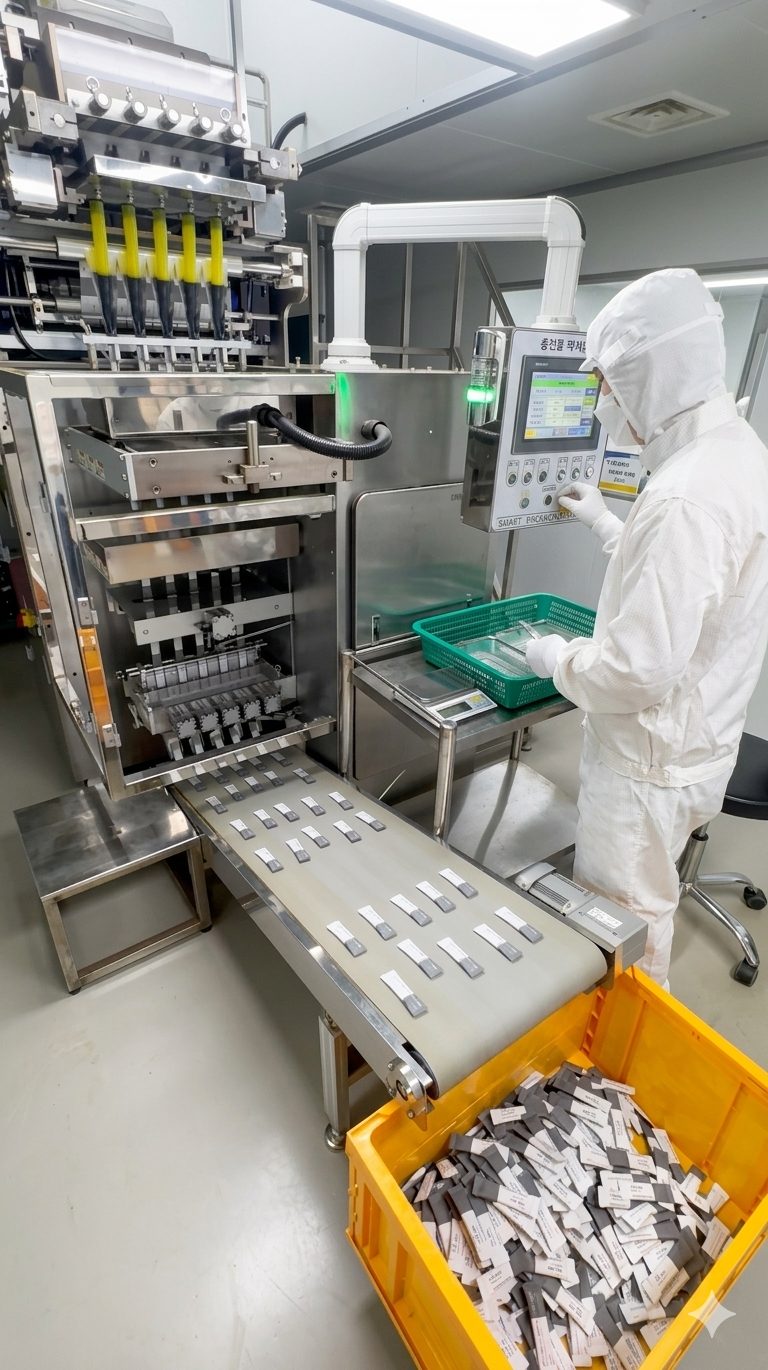
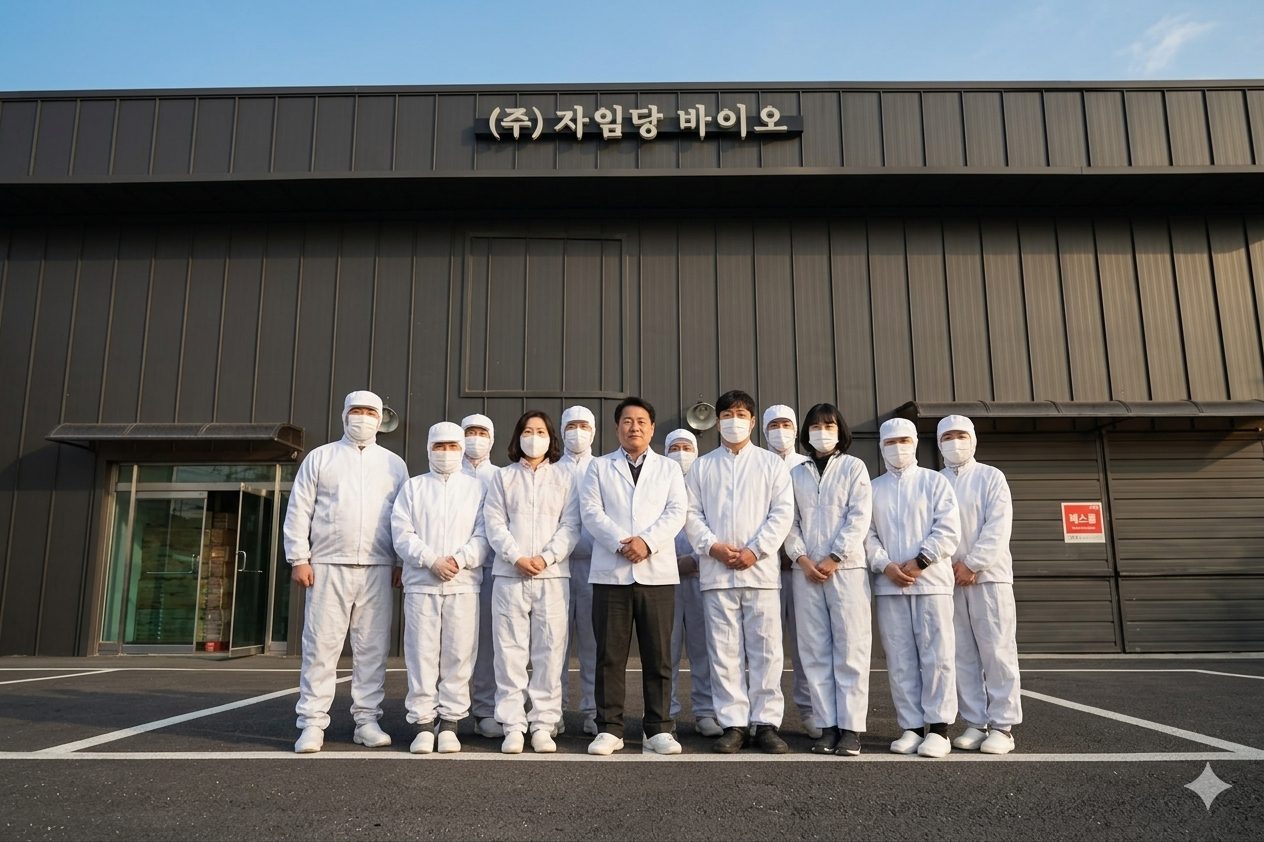
Herbal ingredients used
Testing completed
Prescription and blending
Certified
Not outsourced production, but at the Paju External Herbal Preparation Facility designated by the Ministry of Health and Welfare,
we directly handle everything from prescription, preparation, inspection, to packaging.
Jaimdang Korean Medicine Clinic
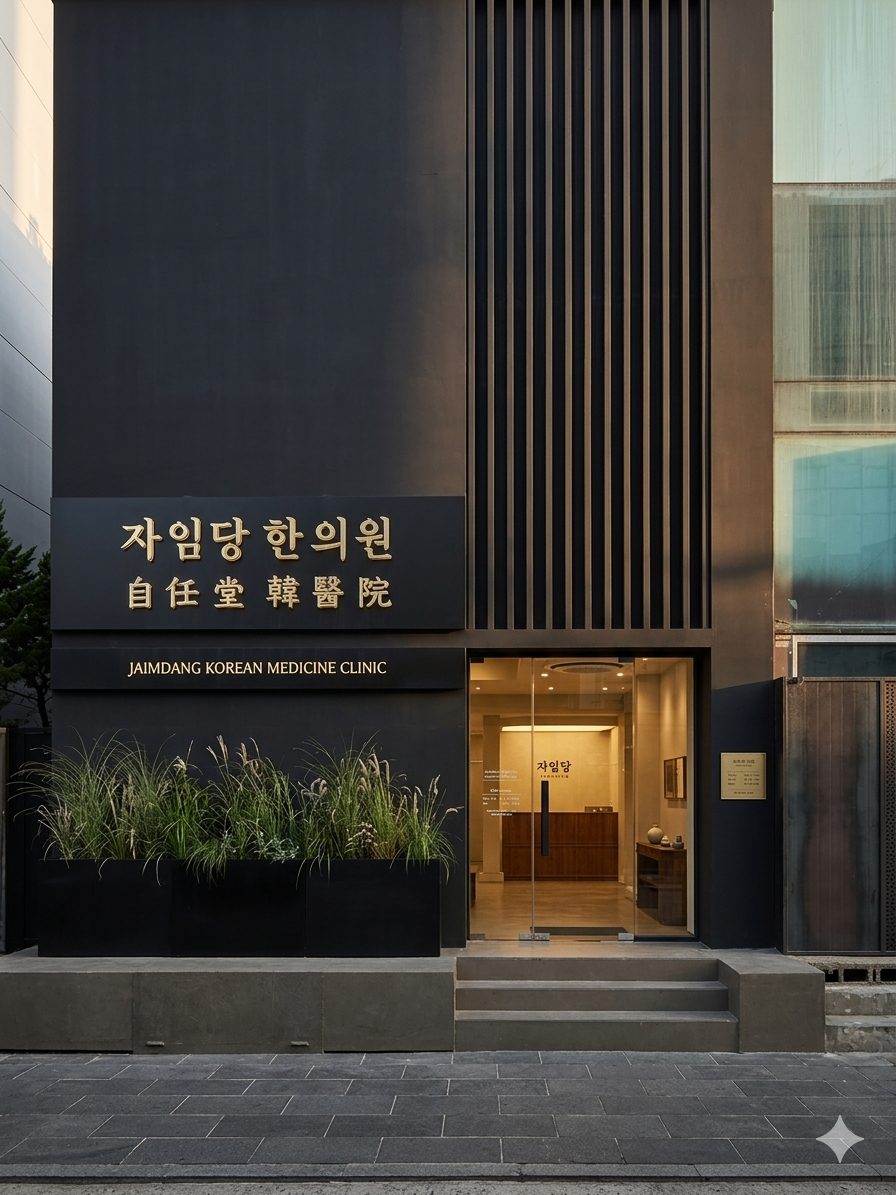
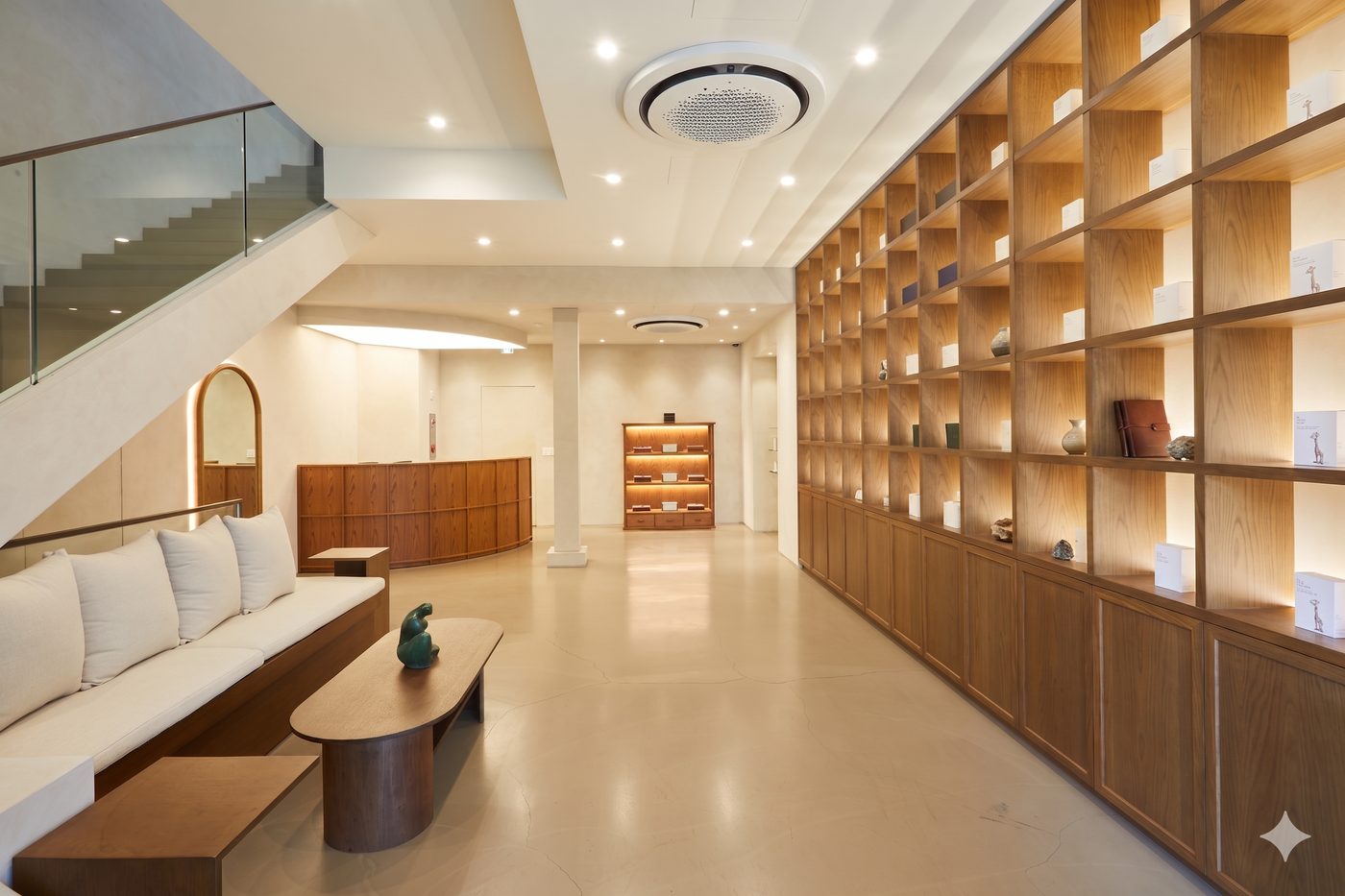

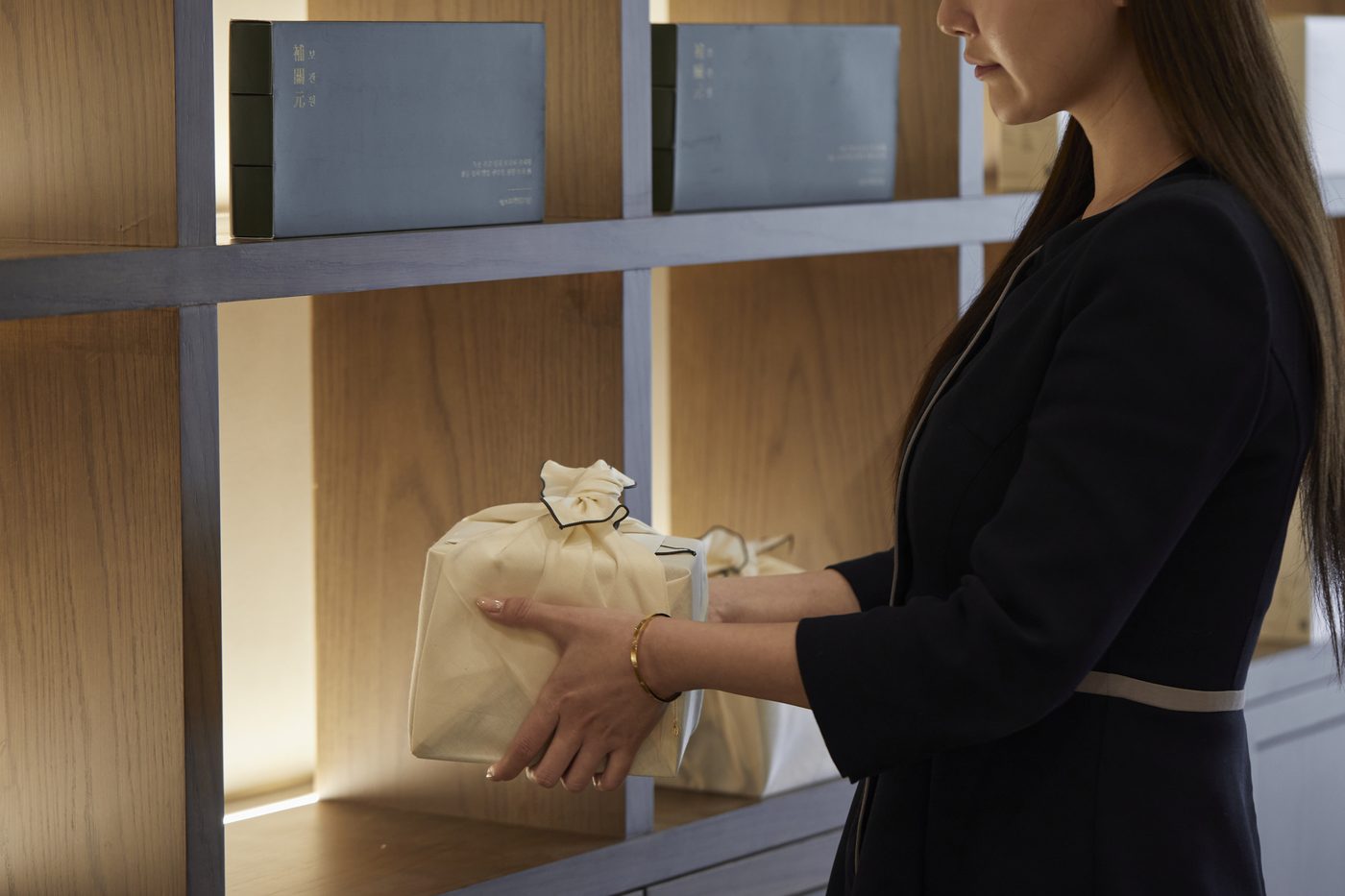
We determine prescriptions based on an individual's constitution and lifestyle.
Even for the same symptoms, we do not prescribe the same medicine.
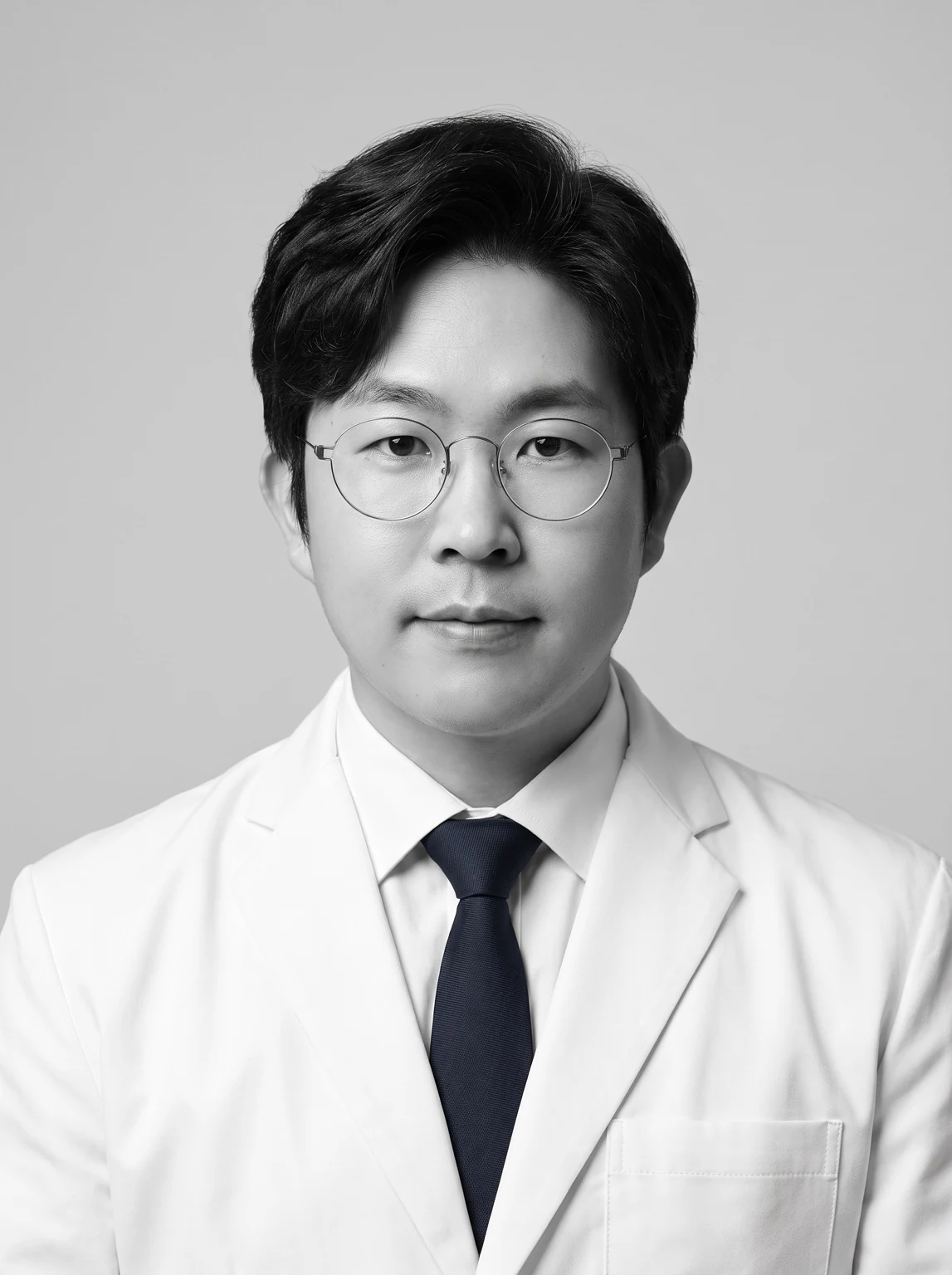
JAIMDANG Clinic Director
Jeong Hyunjae
PhD in Korean Medicine
Why JAIMDANG?
Clinical experience in one place
We have not changed our prescriptions to follow trending ingredients. For 11 years, we have maintained the same approach in the same location, and the accumulated responses during this time have shaped our current formulations.
Cumulative patient data
Which body types were overly affected by cooling herbs? Which inflammations required stronger drainage? The foundation for these judgments lies in our case studies. Records from over 200,000 cumulative patients serve as the basis for determining prescriptions after consultation.
Prescriptions chosen across borders
Beyond Korea, we prescribe to patients in 24 countries, including Japan and the United States. Our experience with patients of varying dietary habits and physiques has broadened our range of intensity adjustments.
In-house manufacturing, not outsourced
We directly operate the Paju External Herbal Preparation Facility designated by the Ministry of Health and Welfare. Since everything from herbal ingredient reception to blending, inspection, and packaging is completed in one place, it is possible to adjust the formulation ratios to suit each patient.
Prescriptions are determined by a Korean medicine doctor after reviewing the consultation details.
Even for the same Cheongyeom Bichaek, the intensity and formulation vary for each individual.
Herbal Ingredient Composition ·
Efficacy and Mechanisms
Formulated according to the Jun-Sin-Jwa-Sa (君臣佐使) principle.
We disclose both the traditional Korean medicine mechanisms and pharmacological mechanisms of each ingredient.
Explore all ingredients and formulation
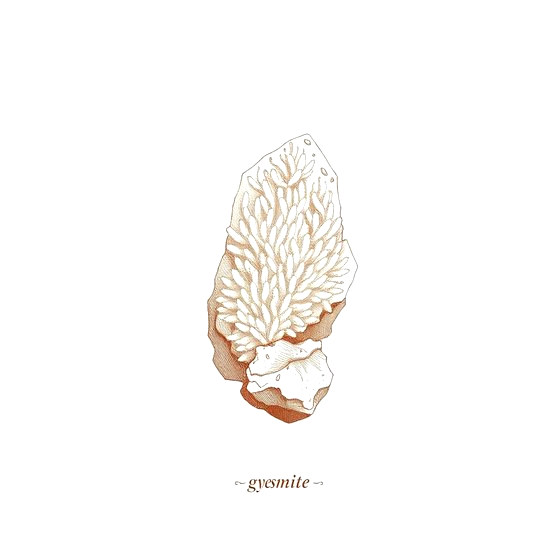
Gypsum Fibrosum 石膏
Cools heat and calms inflammation
Clears heat, purges fire, alleviates vexation — extinguishes excess heat in the Qi level.
Hydrous calcium sulfate. Antipyretic and anti-inflammatory effects have been reported.
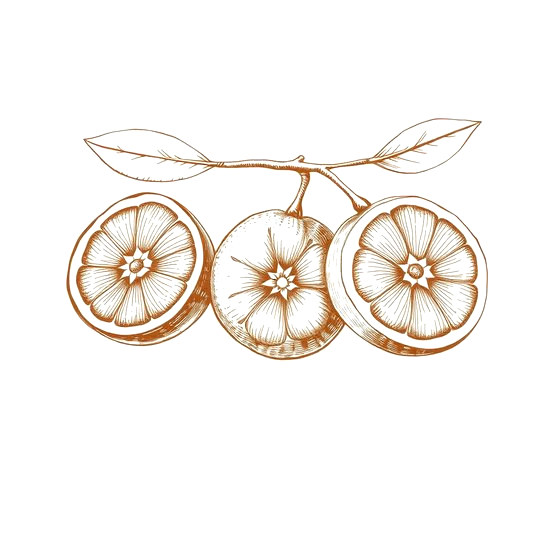
Bitter Orange 枳實
Resolves Qi stagnation and aids pus drainage
Breaks Qi, disperses accumulation, transforms phlegm and eliminates dampness — resolves Qi stagnation and accumulation (積) to open pathways.
Contains synephrine, hesperidin, etc. Promotes gastrointestinal motility, anti-inflammatory.
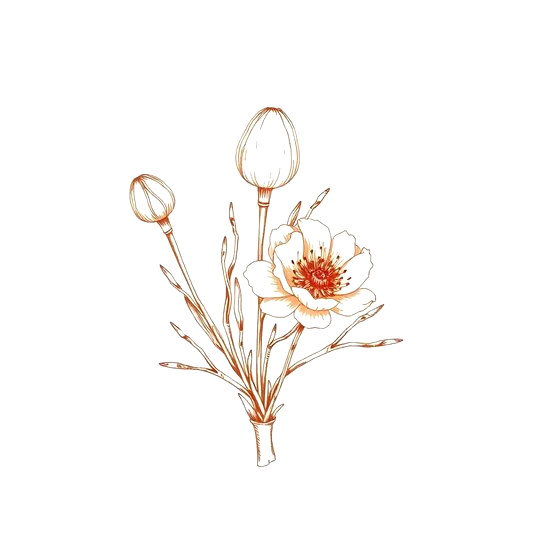
Peony Root 芍藥
Pain relief · Replenishes Yin and Blood
Nourishes blood, astringes Yin, eases spasms and stops pain — alleviates inflammatory tension and pain.
Paeoniflorin. Anti-inflammatory, analgesic, immunomodulatory.
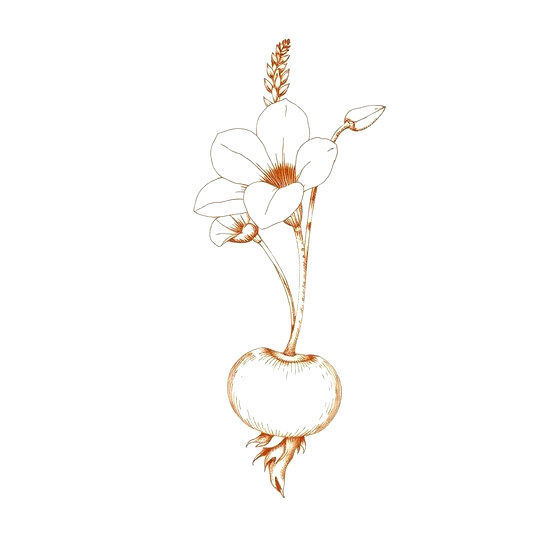
Platycodon Root 桔梗
Drains pus · Facilitates flow
Disseminates lung Qi, expels phlegm, drains pus — opens lung Qi to expel pus (膿).
Platycodin (saponin). Expectorant, anti-inflammatory, macrophage regulation.
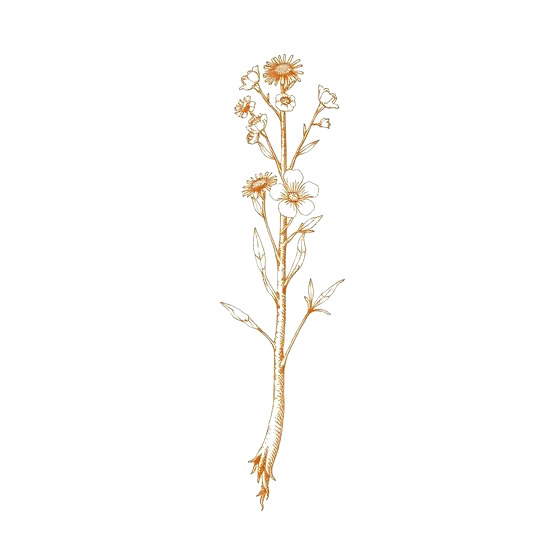
Bupleurum Root 柴胡
Clears heat · Facilitates flow
Harmonizes exterior and interior, soothes liver — resolves heat trapped in the half-exterior, half-interior (半表半裏).
Saikosaponin. Antipyretic, anti-inflammatory (TLR4/NF-κB inhibition).
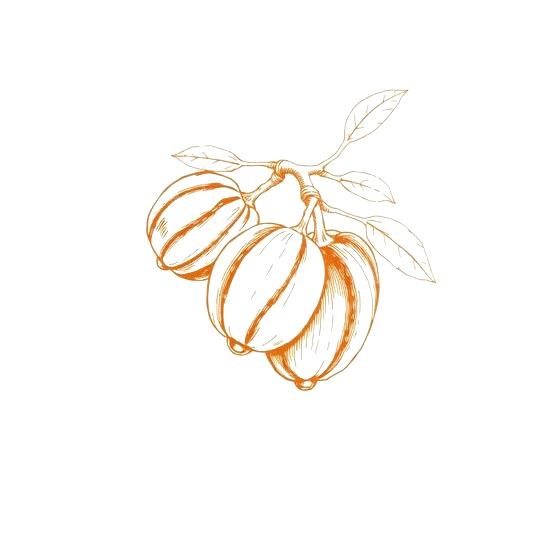
Jujube 大棗
Supports spleen and stomach, harmonizes
Tonifies middle Jiao, moderates medicinal properties — supports the spleen and stomach, moderates medicinal effects.
Polysaccharides. Tonic, buffering effects.
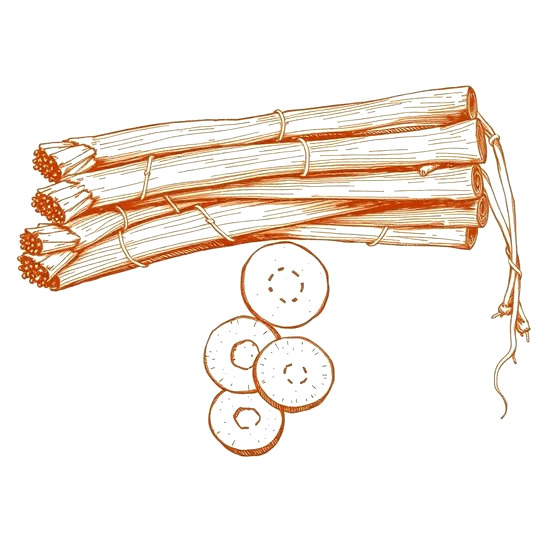
Raw Licorice 生甘草
Clears heat, detoxifies · Harmonizes
Clears heat, detoxifies, harmonizes medicinal properties — used raw (生用) without roasting, emphasizing detoxification.
Glycyrrhizin, flavonoid. Anti-inflammatory (TNF, PGE2 inhibition).
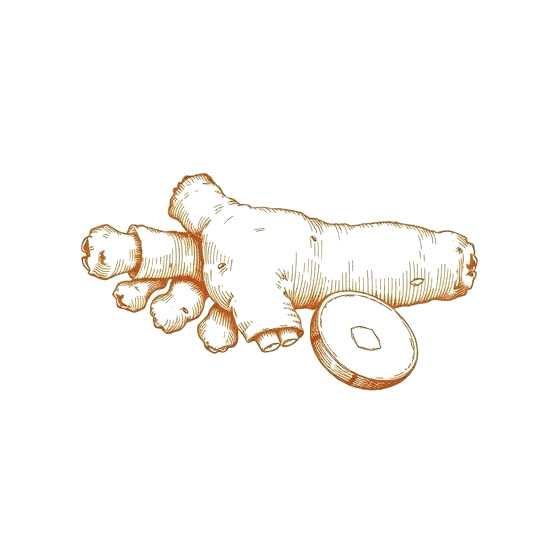
Fresh Ginger 生薑
Warms the middle · Harmonizes
Harmonizes stomach, harmonizes — protects the stomach and harmonizes cooling herbs.
Gingerol. Anti-inflammatory, anti-nausea effects.
Formulation ratios are adjusted according to the prescription stage, and the final composition is determined after consultation with a Korean medicine doctor.
Choose the duration that suits you
Start your journey
Choose your option and continue below.
Medication Guide
If any of the following apply, please inform us during your consultation
- If you are pregnant, breastfeeding, or planning pregnancy
- If you generally have a cold constitution and frequent diarrhea (as cooling herbs are central to this formula)
- If you are taking blood pressure medication, diuretics, or steroids (due to licorice content)
- If you are taking immunosuppressants for an autoimmune disease
Cheongyeom Bichaek is an herbal medicine formulated by a Korean medicine doctor after assessing your constitution and condition. Even for the same inflammation, the blend will differ significantly between types with excess heat and those with a cold interior. The intensity of the prescription is determined after confirming the location and cycle of your symptoms during consultation.
FAQ
Can I take it with anti-inflammatory drugs?
If you are currently taking anti-inflammatory drugs or antibiotics, please inform us of the medication name and duration during your consultation. A Korean medicine doctor will determine whether co-administration is appropriate and the necessary interval. Do not take them together arbitrarily.
How long should I take it?
Subsiding and breaking the cycle of recurrence are different. Typically, we adjust the intensity monthly, observing the frequency of symptom flare-ups and recovery speed. If the cycle lengthens, we reduce or discontinue the dosage.
I have a sensitive stomach; will it be okay?
As cooling herbs are central to this formula, it may be challenging for those with sensitive stomachs. To buffer this, Jujube, Fresh Ginger, and Peony Root are included. If you are still sensitive, the formulation ratio will be adjusted. Please be sure to mention this during your consultation.
Is it used for skin troubles?
It can be used for recurring skin inflammation. However, the prescription varies depending on whether the cause is heat, dampness, or hormones. Therefore, we assess the affected area and cycle during consultation before making a determination.
Break the cycle
here
After confirming the location, cycle, and recovery speed of your symptoms via KakaoTalk,
a Korean medicine doctor will guide you on the duration and intensity of your dosage.